Dear ORT Friends and Leaders,
The other day, a grown woman made me cry.
To be fair, she was my optometrist.
It was time for my annual eye exam, and after dilating my pupils, she shone a painfully bright light directly into my eyes. Tears streamed down my face involuntarily while she calmly informed me this was all perfectly normal.1
But driving home afterwards,2 squinting against the sunlight, everything blurred and overexposed, I thought about vision. About how strange it is that sometimes, before we can see clearly, our eyes must first be disrupted.
This Shabbat, we read Parashat Beha’alotecha, a portion deeply concerned with what happens after failure, interruption, or dislocation. Again and again, the Torah insists that people are not defined by a single moment.
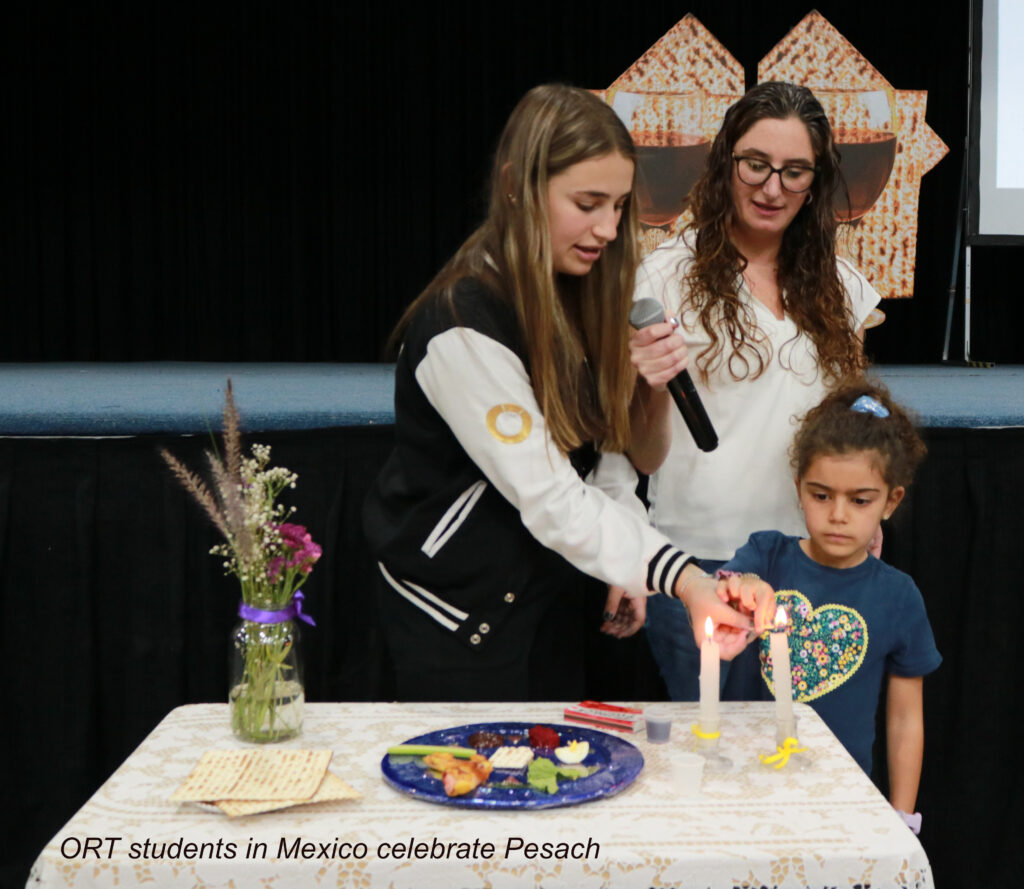
Most famously, there is Pesach Sheni, the “second Pesach.” Those who were unable to bring the Pesach offering at the proper time aren’t simply told, “You missed your chance.” Instead, they get another opportunity a month later. Judaism, here, builds the principle of the second chance directly into sacred time itself.
Later in the parasha, Miriam is separated from the camp after speaking against Moses. But that’s not where the story ends. The people wait for her. She returns. Reintegration matters as much as accountability.
That may be one of the Torah’s most enduring insights: human beings grow when they’re given pathways back, not only pushed away.
I love this message. And it feels very much resonant for what we do in World ORT.
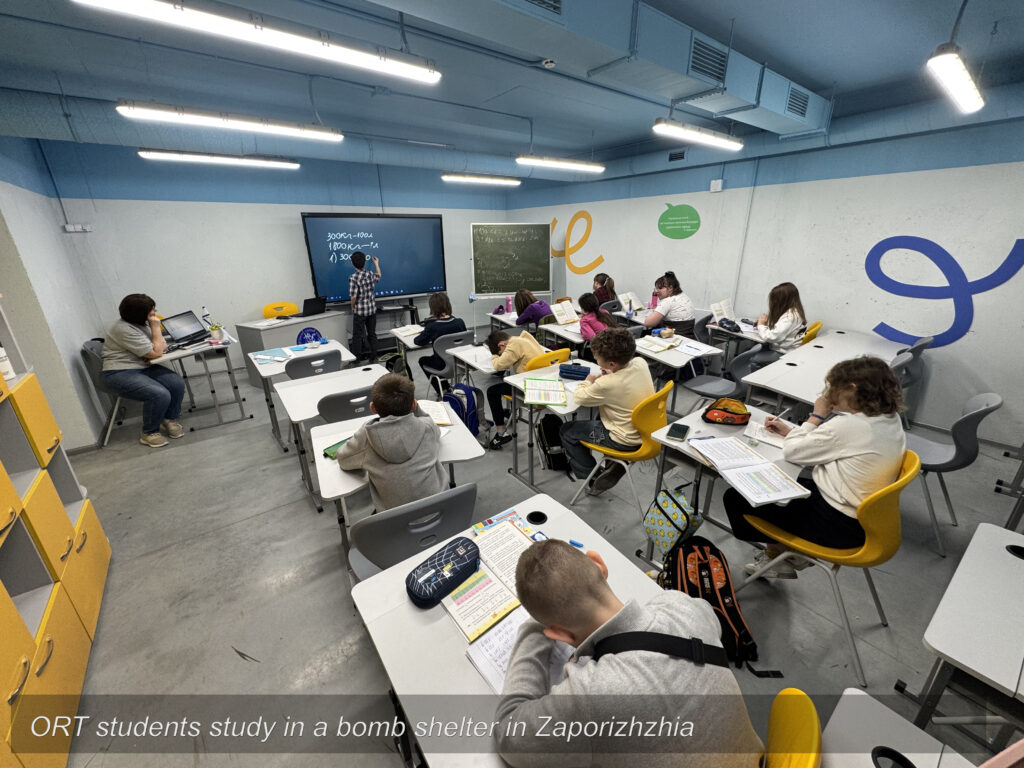
Education is, in many ways, the ultimate expression of belief in second chances. If you’ve seen even a small amount of the ORT world, you may have met a student displaced by war. A teenager written off by society. A young adult whose opportunities were limited by poverty or instability. Through education, skills, mentorship, and community, lives can come back into focus.
Every day across the World ORT network, we see what becomes possible when people aren’t defined by their setbacks, but by their potential.
And perhaps that’s what vision really means.
Not simply seeing what’s immediately in front of us, but learning to see what could yet be. To see capacity where others see limitation. To see futures where others see dead ends.
Sometimes clarity comes easily. And sometimes, as my optometrist reminded me, clearer vision begins with tears, discomfort, and temporary blurring.
But if we’re patient enough to keep our eyes open, eventually the world sharpens and comes into focus again.
Shabbat shalom,
Dov
Dov Ben-Shimon
Chief Executive Officer, World ORT
1 Whatever. I didn’t buy it.
2 After an appropriately lengthy amount of time to adjust, in case you were wondering.