‘Visionary Leader’ Avi Meir Receives 2025 Singer Award

Avi Meir, Principal and General Director of Colegio Olamí ORT in Mexico City, has been announced as the 2025 recipient of the Robert Singer Award for Outstanding ORT Professionals.

The annual award recognizes ORT professionals around the world whose efforts and achievements advance beneficiaries locally and support the global ORT network.

Mr. Meir said: “I see this award as an inspiration to continue striving, learning, dreaming, and investing in those who hold the future in their hands – knowing that the impact of education grows as young people grow, and that the most important thing we can do is to provide them with the tools to truly thrive in life.

“It is not just a personal moment, but also a recognition of the collective efforts of our team, our partners, and our community, all of whom believe in creating meaningful educational opportunities and building a better future through learning, empowerment, and innovation.”

He became a Hebrew and Bible Teacher at Colegio Israelita de México (CIM) in 2007 and was a member of the committee that integrated CIM into the World ORT Network. He developed technical diploma programs for high school students in collaboration with ORT Mexico.

After being an emissary (Sheliach) at CIM, Mr. Meir became its Elementary Director. He then spent four years in the role of Middle School Principal, High School Principal, and Deputy General Director, becoming its General Director in 2014. In 2022, he played a key role in the merger of Colegio Hebreo Sefaradí and Colegio Israelita de México ORT (CIM-ORT).

Through this merger, Colegio Olamí ORT positioned itself as a leading educational institution in the Jewish community in Mexico, committed to academic excellence and the formation of critical and creative students.

Mr. Meir has undertaken special projects on behalf of the ORT network, including a humanitarian mission to ORT Cuba and student exchange programs throughout the ORT network to countries including Russia, Israel, the Czech Republic, Bulgaria, Argentina, Costa Rica, and Panama.

Robert Singer, former CEO and Chair of the Board of Trustees, World ORT; Chairman of both the Center for Jewish Impact and Alumot Or, and President of SASA Setton, for whom the award is named, said: “It is a true privilege to see this award presented to Avi Meir, an exceptional educator and visionary leader who has dedicated his career to shaping future generations through knowledge, values, and compassion.
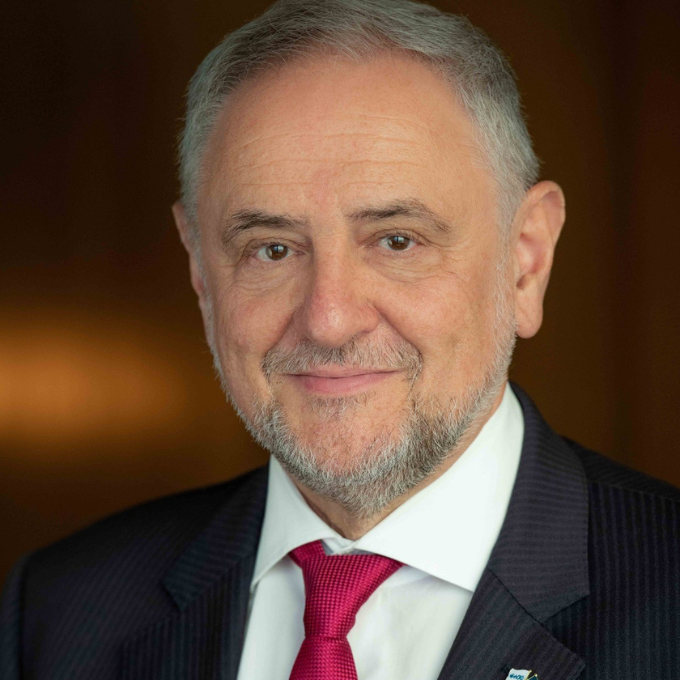
Robert Singer, former CEO or ORT
Robert Singer, former CEO and Chair of the Board of Trustees, World ORT

“Avi exemplifies the essence of ORT’s mission by empowering students through high-quality education that combines academic excellence with a strong sense of Jewish identity and community responsibility.

“Under Avi’s professional leadership, Colegio Olamí ORT has created a model of innovation, inclusion, and inspiration. He has built an environment where every student is encouraged to learn, grow, and believe in their own abilities.”

Mr. Singer said that Mr. Meir’s “professionalism, creativity, and unwavering dedication” were a source of pride for the entire ORT network and a powerful reminder of the transformative impact of education.

“High-level Jewish education has always been, and continues to be, the cornerstone of strong and resilient communities, especially in challenging times. Avi’s remarkable work embodies this enduring truth and serves as an inspiration to educators and leaders across the Jewish world.”

Receiving the Robert Singer Award was of great personal and professional significance to Mr. Meir, who was born in Tel Aviv, Israel.

“The award is a reminder of the importance of the educational work we do every day – with students, teachers, and communities – and of the fact that every small effort can make a lasting impact,” he explained.

In 2023, Mr. Meir introduced a month-long program at Colegio Olamí ORT for 25 Israeli high school students who were evacuated from their communities near Gaza following the October 7 attacks.  The program, for students aged 12 to 16, provided the teenagers with opportunities for learning and socializing, in both formal classes as well as extracurricular activities and trips.

That same year, he was awarded the title of Doctor Honoris Causa by the Ministry of Education in Mexico, through the Kinneret Institute, in recognition of his remarkable career and contributions to the field of education.

Mr. Meir has a Bachelor’s Degree in Education with a focus on Biblical History from Tel Aviv University and a Master’s degree in Educational Administration from Derby University (Israel). He holds a second Master’s degree in Jewish Studies from the Hebrew University, Mexico.

Previous winners of the Robert Singer Award include Ariella Rosenberg, CEO of ORT SA in Johannesburg, Dr. Jorge Grünberg, Rector of the Universidad ORT Uruguay; Vladimir Kritsman, Principal of the Jewish school ORT “Pri Etz Haim” in Kyrgyzstan; and staff from ORT Ukraine.
Israeli Toy Dog Therapy Used to Alleviate Ukrainian Students’ War Trauma

A special therapy is being used with great success to support traumatized children in an ORT school in Ukraine.

The Hibuki therapy program, a psychological initiative that was developed in Israel, was introduced last year at the Odesa ORT Zhabotinski Lyceum #94 to support the mental health and emotional wellbeing of students.

The program, for children in grades two to six (ages eight to 11), began in the last academic year with introductory group sessions. Designed to help children cope with stress, anxiety, and emotional challenges, it was followed up by small-group trainings, and individual consultations.

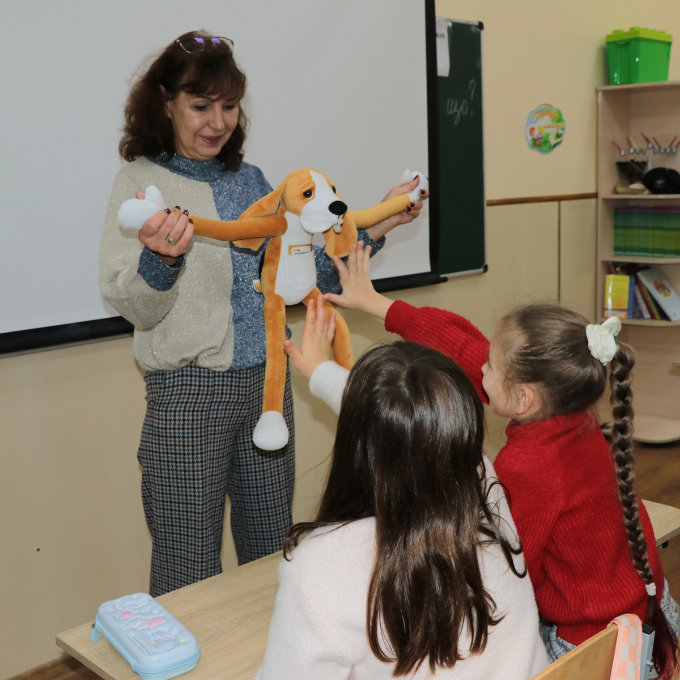
Hibuki is derived from the Hebrew hibuk, meaning ‘hug’ and involves the use of a plush therapy toy in the form of a dog with mournful eyes, a sad face, and long arms that can be wrapped around a child. Trained professionals encourage their young patients to process their own distress and fears by projecting them onto the toy. They then care for the toy, thereby also caring for themselves. 

Priority areas for intervention were identified based on evaluations by the school’s certified Hibuki trainer Tatyana Protasova and the school psychologist Liliia Danylevych.

Children shared their feelings in a safe environment and learned how to express themselves openly. Using the Hibuki therapy dogs, they role-played and treated the dolls as trusted friends. Together with the trainer, they practiced simple breathing and relaxation techniques to calm themselves when feeling anxious.

The sessions also included games and group activities that fostered teamwork and mutual support. Children often spoke about everyday challenges at school or at home, drew pictures, and created stories with Hibuki. These activities helped them to better understand and communicate their emotions and left them with increased confidence and practical coping skills.

Ms Protasova, who is also a maths teacher and has a background in psychology, explained: “During the war, it is especially important to give children back their childhood. It is important to help them release the tension and stress that build up from the fear of explosions, air raid sirens, and lack of sleep.

“These hugs [with Hibuki] are priceless in times of war. Children love to hug, and they love to hug Hibuki, and even make their Hibuki dolls hug each other. Through this, they learn to express their feelings and relieve tension.”

A teacher shows children the Hibuki doll in the form of a dog
Teacher Tatyana Protasova shows children the Hibuki doll

Feedback from students and parents has been overwhelmingly positive, highlighting the program’s effectiveness in improving emotional resilience and wellbeing.

One mother, whose children are in grades six and four, said: “I want to say thank you from the bottom of my heart for the Hibuki therapy.

“My children’s father was killed in the war. It was the hardest moment in our lives, and I didn’t know how to help them with their pain. The Hibuki therapy sessions gave them a place in which to speak about their feelings and not feel alone.

“I saw how carefully and kindly the specialist supported them and, little by little, they started to smile again.”

School principal Larisa Fainshtein said: “Our students face anxiety, uncertainty, and fear for their loved ones every day. This inevitably leaves a deep mark on their emotional state and affects their learning, communication, and development.

“In such circumstances, our task is not only to provide quality education, but also to create a space of care, security, and recovery. This is where the Hibuki group becomes especially important. ‘Hibuki’ is not only about psychological assistance; it is also a way to make learning more humane, modern, and focused on the needs of the child.”

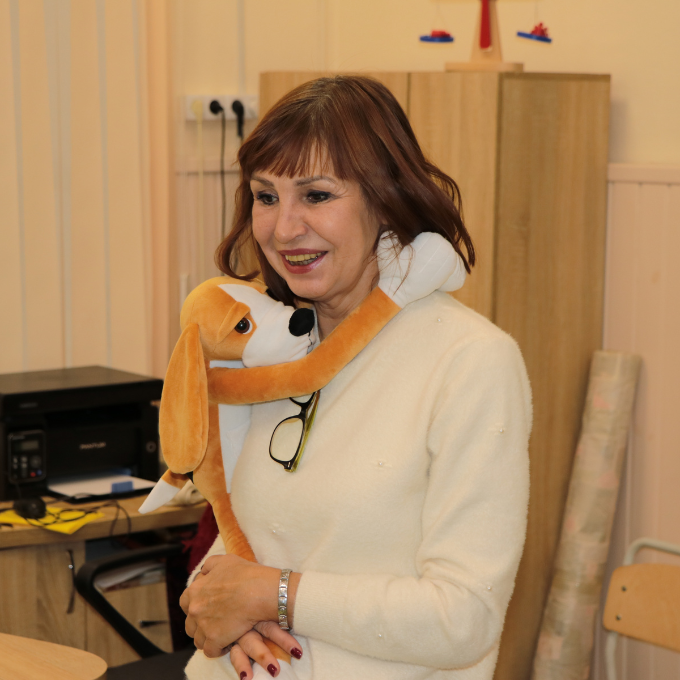
Teacher Tatyana Protasova demonstrates the Hibuki doll therapy

In June, Ms Protasova’s house in Odesa was severely damaged in an attack, and her car was also destroyed. World ORT provided her with financial support through the organization’s emergency campaign.

The Hibuki therapy is also being used in the special needs resource center at two ORT schools in Kyiv and at the ORT-affiliated school in Bila Tserkva. The therapy doll was invented during the 2006 Second Lebanon War.

In the past decade, it is believed to have helped around 150,000 children in Israel and worldwide during conflicts and mass disasters, including tsunamis in Japan and earthquakes in Turkey. It has also been used to treat children in Israel in the aftermath of the October 7 attacks.

It was introduced in Ukraine in 2023, and the dolls have since been used by around 20,000 Ukrainian children suffering from psychological distress. 

The funding of the Hibuki therapy in Odesa was made possible thanks to donations from the Associated Jewish Federation of Baltimore. The US city is Odesa’s sister city; the partnership was established in 1974 and promotes mutual cooperation between the two metropolises.

The World ORT LEAD Program: ‘Investing in our Future’

Before becoming Learning Development Manager for World ORT, I worked as Head of Key Stage at a Jewish secondary school, and as Deputy Headteacher at another Jewish school that caters for students with mild to moderate needs.

I have developed as a leader throughout my career. Despite this, I have had very little formal leadership training. My inspiration and on-the-job training came from observing leaders I admired as role models, incorporating colleague feedback as well as research from publications and blogs.

I was excited, therefore, to organize and observe this year’s LEAD Program, a four-day seminar facilitated by World ORT and leadership experts Christine Young and Graham Dring at Scuole della Comunità Ebraica in Milan. The 22 educators taking part travelled from 14 ORT schools across our international network to be involved.

The LEAD (Leadership in Education, Administration and Development) Program, which is supported by Dr. Louanne Smolin and David Eaton, along with the HH Wingate Foundation, aims to prepare the organization’s future educational leaders and senior managers by providing training in how to manage colleagues and to prioritize their own professional development journeys.  

It was inspiring to hear Graham and Christine’s flow of expert guidance, tips, and nuggets of wisdom. Leadership was described as a function of ‘knowing oneself’, with participants exploring emotional and spiritual intelligence, and being advised to ‘eat that frog’ – which is an approach advocating the immediate tackling of one’s most challenging tasks. Participants were continually challenged to share their opinions and experience in small groups, and to contribute their ideas and beliefs to the wider circle.

The LEAD course promotes coaching as a professional skill

School leaders are often teachers who have demonstrated outstanding practice. While they might not have any formal leadership training, they could be expected to suddenly demonstrate new skills and qualities, often in a position where they need to lead colleagues with whom they previously shared equal footing.

The seminar covered tools and concepts essential for any school leader. Participants learned about styles of leadership, and the benefits of utilizing different methods depending on context or personalities involved. They also completed a test in order to understand motivation profiles, and the need to implement different styles depending on the individual’s motivation ‘type’.

We discovered that individuals with a ‘spirit’ profile, for example, thrive on autonomy and empowerment. As leaders, our role is to understand what drives our colleagues and to adopt a style that enables them to perform to their highest potential.

We analyzed high-performing teams, looking at the stages of their development, and at how to grow and maintain trust within a team. I found the guidance on delegation especially insightful, particularly the importance of delegating directly to the individual who will be carrying out the task.

LEAD delegates work together to share knowledge and expertise

For me, the program highlight was witnessing the facilitated coaching sessions. Christine and Graham provided sharp insights into the how-tos of coaching, modelling the process at the beginning, and providing individualized feedback. I was truly jealous. Coaching is a valuable leadership tool, and the opportunity to learn and practice it in a risk-free environment is one I would have appreciated earlier in my career.

Delegates were excited by the new learning and approaches, and there was an appreciation of the relationships fostered, which will form the support network for an invigorated leadership journey.

Participants learned about each other’s settings and exchanged challenges, solutions, and ideas. It was inspiring to see professional connections and genuine friendships formed in such short a time, fueled by a joint vision and a renewed understanding of what it means to teach and lead in an ORT school.

The LEAD Program recognizes that the delegates are respected professionals and helps them to become even better. The benefit of them joining the program is felt by their students and the stakeholders of our schools.

Good leaders foster and retain motivated and talented teachers. This creates excellence in our schools, which is the best investment we can make towards our future.

Leor Harel is Learning Development Manager at World ORT

‘Creative Atmosphere Fills Me with Energy and Positivity to Teach Despite War’

Four educators from Ukraine pulled out all the stops in order to attend the World ORT Jewish Educators’ Seminar in Barcelona.

Yuliia Tkachuk, a Hebrew Teacher at Kyiv ORT School 141 and ORT Ukraine PR Manager, said it took her and her colleague, Oleksandra Shokhina, from Kyiv ‘ORT-Simha’ school, 36 hours to reach Barcelona.

Yuliia travelled by train to Chop, which is near the Ukrainian border, and then took another train to Budapest, from where she caught a plane to Barcelona. This took her nearly two days rather than the pre-war three-hour flight direct from Kyiv.

She said: “I would like to thank you from the bottom of my heart for the opportunity to join the seminar in Barcelona. For teachers from Ukraine, who are working in extremely difficult conditions today, it is not only a source of knowledge, but also an invaluable space for inspiration, exchange of ideas and professional growth.

“The knowledge gained during the seminar will have a significant impact on our work. New approaches to teaching, modern teaching methods and tools that we have learned will become the basis for creating a high-quality and effective educational process even in the most difficult conditions.

“An equally important aspect of the seminar was the development of soft skills. These skills are key in our work, as they help us find a common language with students, parents, and colleagues, adapt to changes and make non-standard decisions.

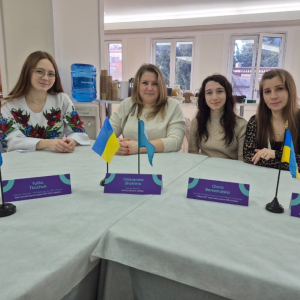
Yuliia Tkachuk, Oleksandra Shokhina, Olena Berezorutska and Anna Tarasiuk

“This seminar also became a platform for inspiration, as we not only exchanged ideas with our colleagues, but also felt real solidarity and support, which is extremely important for Ukraine today. This seminar breaks down walls between people and countries, helps to overcome barriers of misunderstanding and creates effective, and most importantly, much-needed bridges in the modern world.”

She thanked World ORT for its generous support, which also gave delegates the opportunity to be part of the global educational dialogue. “Without your help, many of us would not have been able to join this incredible event.”

Oleksandra said: “I am grateful for the opportunity to join the community of Jewish educators. This creative and friendly atmosphere inspires and fills me with energy that gives me the strength to teach children with a smile and positivity despite all the difficulties created by the war.

“The exchange of experience, international connections and implementation of joint plans, such as telebridges between schools, will give our students additional motivation and opportunity for development and learning.”

Meanwhile, it took Anna Tarasiuk, an English and Jewish Tradition Teacher from Bila Tserkva Private Lyceum ‘Mitsva-613’, two days to reach the seminar. She had to travel to West Lviv, then on to Rava Ruska, from where she took the train to Warsaw in Poland. She spent two hours waiting on this last train for her documents to be checked, after which she flew from Warsaw to Barcelona. A journey that would normally have taken three hours was extended due to the war.

Anna found the seminar instructive, saying: “I have gained a wealth of knowledge. My goal was to gather fresh ideas for new projects, implement them effectively, and foster collaboration with colleagues from around the world.

“The initiative to promote Jewish traditions in English within our high school is particularly inspiring. Perhaps we could organize Zoom classes with students from Israel or Spain, facilitating discussions on Jewish holidays. This would allow them to exchange knowledge while simultaneously practicing English. Moreover, the experience could extend beyond cultural discussions to leadership development. Many students tend to downplay their talents, but such initiatives could help them build confidence and express themselves more openly.

“I truly appreciated the seminar – it was thought-provoking and left me brimming with ideas. I particularly enjoyed the art workshop, which offers excellent opportunities for both primary and high school students.”

Olena Berezorutska, a Teacher of Jewish Traditions and Hebrew Language at Odesa ORT Zhabotinski Lyceum #94, travelled for 21 hours to reach the seminar – a journey that would normally have taken half that time. She travelled to Chișinău, the capital of Moldova, from where she took a flight to Istanbul, then another flight to Barcelona.

She said: “I was hoping for a supportive international community and to gain experience from everyone. I’m happy to be in the community of educators who are supportive and share my goals. I’m interested in initiatives that combine technology and English, for example, or integrate Jewish education and tradition within another subject and multidisciplinary subjects.

“I would recommend the seminar – it contains so much useful information, which we can apply in real-life scenarios, and I will adapt my approaches after the seminar. I hope to continue our communication because it was an incredible experience.”

Since the war began in 2022, ORT students, teachers and their families in Ukraine have faced attacks at home and at school. ORT has urgently raised funds to ensure continuity of education along with the provision of psychological support, financial aid, and essential resources. Schools have adapted with bomb shelters and remote learning and, despite the challenges, ORT Ukraine’s commitment to maintaining educational excellence remains steadfast.

Read more about ORT’s campaign for Ukraine


‘This Seminar Deepened My Jewish Identity’

Dean Shannon, Jewish Education Teacher at Sir Manasseh Meyer International School, Singapore, reflects on his experience of the 2025 Jewish Educators’ Seminar

Despite being a Jewish educator for more than 10 years, I have rarely had professional development opportunities that tackled specific needs and ideas relevant to this world.

Facing our own challenges and ideals, the field of the Jewish educator can be a lonely one. This has been exacerbated in a post-October 7 world. I needed this Jewish Educators’ Seminar.

 I was a little sceptical about the seminar in advance. I questioned how suited I might be to an academic approach to Jewish education, but the seminar was filled with wisdom, depth, inspiration and even tears.

The speakers were excellent, the content was thought-provoking, and it was a privilege to share a room with all of the people involved. It was an incredible few days and the seminar exceeded all expectations.

 The ORT team who organized and led the seminar catered to our every need (and literally). The four-day program was outstanding. We covered an incredible range of topics and were exposed to a vast array of practical ideas that we can now implement in our classrooms.

One of the highlights was an exploration of classical Jewish sources on ecology. The session started with the leader hanging texts on a washing line. We were encouraged to look at the sources from ‘different angles’ and then choose the text with which we most identified. This then led into a chevrutah-style learning session and demonstrated the extent to which Judaism contains powerful wisdom to face 21st century challenges.

Damián Weber of Colegio Hatikva reflects on Jewish identity post-October 7

Further invaluable opportunities included a guided online tour of Sefaria and the National Library of Israel. These practical sessions provided insights in how to enable students to discover and utilise primary sources to enhance their Jewish identity. We even explored how to best use AI in the classroom to facilitate our teaching.

We were in tears and in deep contemplation during a post-October 7 activity that explored identity through artistic postcards. A session on the symbolism of food had us considering how powerful ‘culinary stories’ can be in connecting to our Jewish identity.

The walking tour of old Jewish Barcelona provided insights into the importance of ‘urban space’ in education and the Xueta Island movie screening demonstrated the depth, breadth and tragedy of Jewish history. Despite being a terrible artist, the most memorable and enjoyable session was one on Midrash and art.

I am now more confident in delivering a similar creative lesson to my capable students. Each session provided me with insights and ideas that will not only enhance my teaching practice, but has further deepened my own Jewish identity.

The other educators, who were involved in Jewish education and hailed from all over the world, were truly inspiring people, each with an incredible story. We shared, we debated, we laughed, and we cried.

Despite our different nationalities, backgrounds, and opinions, the common denominator was that we all believed in the importance of supporting Jewish education and giving Jewish people the ability to connect meaningfully to their heritage and identity.

I am grateful for all the incredible work ORT does. The Jewish Educators’ Seminar demonstrated how deep, profound, diverse, and beautiful is Judaism. The team made us feel like superheroes who are here to deliver our message to the next generation and to help make the world a better place. Am Yisrael Chai!

Inspiration and Hope: Jewish Educators’ Seminar Renews Pride and Connection

There were tears and laughter at World ORT’s first Jewish Educators’ Seminar, a four-day event that tackled issues including Jewish education in a post-October 7 world, Jewish approaches to dealing with environmental crisis and change management in the community’s schools.

Twenty educators from around the world met in Barcelona, Spain, for an enriching and, at times, emotional seminar, which was coordinated by World ORT Education Project Manager Jennifer Saber. The packed schedule took in classroom activities and a tour of Jewish Barcelona and, importantly for ORT, publicized the organization’s innovative Jewish curriculum.

Educators were welcomed from schools across the ORT network including from Spain, France, Italy, Bulgaria, Israel, Peru, Mexico, Costa Rica, Singapore and South Africa. Four educators from war-torn Ukraine also attended, travelling for at least two days to get to Barcelona – a journey that should normally only take around five hours.

Speaking about the location of the first day of the seminar, one delegate said it was fortuitous to be at Colegio Hatikva, the only Jewish school in the city. The delegate added: “It is very important that there is tikva – hope – and schools are giving hope.”

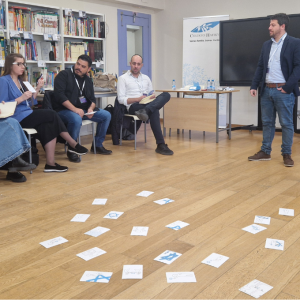
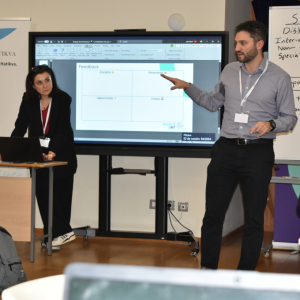
Colegio Hatikva Principal Ari Messer delivered a session on the benefits of analysing the demographics of a school to understand the needs of, and better integrate, its pupils. Gaynor Collins, World ORT’s Education Project Manager, and Leor Harel, its Learning Development Manager, ran a session on SWOT analysis and strategic action planning and prompted the educators to reflect on their departments’ areas for development or their own individual practice.

ORT staff Gaynor Collins and Leor Harel delivered a session on SWOT analysis

ORT staff also shared information about the organization’s B’nei Mitzvah twinning program and how AI can be used in a teacher’s school life, such as in planning and assessment. They also gave an introduction to World ORT’s Thinking Skills Curriculum and demonstrated a lesson.

Raquel Cohen, a teacher at Colegio Olamí ORT in Mexico, said: “I aim to introduce the skills of chevrutah in all the other subjects so pupils will know how to build respectful and meaningful dialogue with others without arguing.”

Haya Prys, Teacher of Jewish Thought and History at Lycée ORT Daniel Mayer, in Montreuil, France, said: “It was amazing. I made a lot of connections and am already talking about sharing materials with other educators. It was eye-opening to meet all kinds of people who work in all kinds of schools, with Jewish and non-Jewish pupils.”

Victor Sorenssen, the Director of the European Association for the Promotion of Jewish Heritage and Culture, led an “anti-tour” of Barcelona’s Jewish quarter, exploring an innovative approach to Jewish heritage. Moving beyond traditional tours, educators reflected on the opportunities urban spaces offer as extensions of the classroom. This was cemented by Dr. Goretti Luis Cobreros, Project Manager of Jewish organization Toldot, who took those delegates who were interested into sections of the Cathedral of Barcelona that are not accessible to the general public, including its original 15th century archive, where she gave a private viewing of Hebrew documents that have been hidden for centuries.

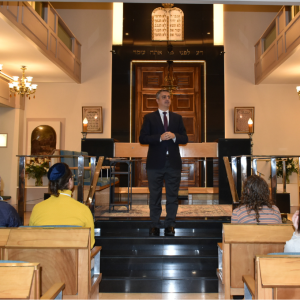
Rabbi Samuel Garzón of the Comunidad Israelita De Barcelona

There were also discussions on the diverse Jewish attitudes towards the relationship between humanity and nature, ways to enrich classroom teaching experience with Sefaria, which provides a ‘living library’ of Jewish texts, and a poignant exploration of Jewish heritage and identity through food from art therapist and chef Monica Buzali.

A hands-on session at Casa Adret in Barcelona’s old Jewish quarter by Nathalie Kertesz, Co-Founder and Artistic Director of LABA BCN, took some delegates outside their comfort zone by encouraging them to create their own Midrashim (pictured top right). They explored classical Jewish sources using artistic mediums such as watercolours, clay and collage.

Joanne Greenway, chief executive of the London School of Jewish Studies, gave an overview of the Jewish Lives longitudinal study research project as well as LSJS’s Project Innovate, aimed at developing new ideas.

The seminar gave educators a chance to connect with their counterparts across the world and hear about the highlights of working in the field of education alongside the challenges. The latter included students who are disengaged from their Jewish heritage, problems of integration and large numbers of pupils with special needs.

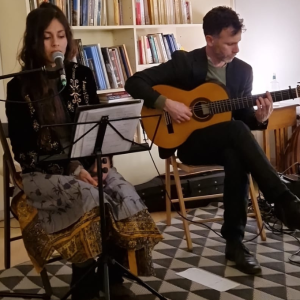
Ofer Ronen and Layla Akbal shared songs of the Sephardic Mediterranean at Casa Adret

Approaches that improve communication and connection among students of different ages were discussed, including Colegio Hatikva’s initiative of reading buddies, whereby older pupils read to those in the kindergarten or early year classes, and its termly class sleepover held at school.

Anna Tarasiuk, a teacher from Bila Tserkva Private Lyceum ‘Mitsva 613’ in Ukraine, said: “I had hoped to get ideas for new projects and to implement them, along with cooperation with other colleagues from around the world. I really liked the seminar. It was like a knowledge bank for me – you went to bed with a lot of ideas. I especially liked the art workshop. I will think about how I can implement a lot of things. I am also thinking about creating a Jewish Tradition course in English for High School in order to upgrade students’ knowledge and to give them opportunity to communicate with other Jewish schools all around the world.”

Delegates described the seminar as “enriching” and were grateful to be able to step away from the classroom to forge connections with colleagues and discuss their work.

One educator said: “The seminar inspired me to enhance our educational process by combining creativity and meaningful content. The ready-made lessons will significantly speed up lesson preparation. I plan to give students more responsibility, such as larger-scale project work connected to Judaism, as well as incorporating interdisciplinary integrations. Additionally, I’d like to create lessons on the Jewish history of our city, possibly in collaboration with the Museum of Jewish History. Another idea is to develop a custom board or mobile game related to Judaism.”

Closing the event, Daniel Tysman, World ORT’s Head of Education, said: “We’ve tried to show you that there are many ways to reach the minds and hearts of our students. We commemorated our pain together, but also shared beautiful music and food, and we’ve created many happy memories. Our main goal was to demonstrate our appreciation for the amazing work you do in Jewish education, and that you would leave knowing that ORT is here to support you.”

Let’s Talk Schools: AI is here to stay, let’s embrace it

This article first appeared in The Jewish Chronicle

JANUARY 19, 2025

It is a beneficial tool, which children should be taught to use responsibly

When ChatGPT burst on to the scene two years ago, some of my students, who had previously barely been able to string a few words together, were suddenly producing phenomenally well-constructed written work. They must have thought we, their teachers, were born yesterday.

The concern that students will lose the willingness or ability to study, and instead pass off work done by chatbots, is an extremely valid one. But Generative AI – of which ChatGPT is just one example – is also an immensely useful tool. In many schools, AI has become a focus for professional development as leaders seek to harness its potential while ensuring it is not misused.

World ORT is an educational not-for-profit that supports Jewish schools in more than 30 countries, prioritising high-quality STEM education. At our recent annual Hatter Technology Seminar, we explored how AI can enhance teaching and learning, support leadership and equip students for a future where mastering AI will be essential to succeed in the workplace.

We shared our fears about the risks posed by unregulated AI. There is an urgent need to adopt policies to promote responsible AI use and provide training that highlights its risks, including bias, misinformation and potential job losses. We must work towards ensuring that students develop their critical thinking in order to spot hallucinations, or inaccuracies, and to understand when to use their own thinking to complete tasks.

But we also learnt about the opportunities AI provides and that, as it rapidly evolves, we and our students must not be left behind. We were reminded that, just as previous technological advances – calculators in the classroom, for instance – caused concern, AI is also here to stay.

AI’s far-reaching benefits include improving student engagement and broadening access to learning in the classroom. Teachers can use AI to modify lesson plans, for example, to make them for accessible for pupils with special needs.

Crucially, we heard that creation is no longer the highest order of thinking in a post-AI world. To thrive, students must excel at collaboration and innovation, generating novel solutions and ideas. Our discussions emphasised the importance of training students to retain agency, use AI safely, protect privacy and spot bias and discrimination. The reinforcing of racial or gender stereotypes, among other inequalities, is also present in the virtual world – if you ask AI to create an image of a computer programmer, it will generate a visual of a young white male.

If we ban students from using AI, some will take advantage of it anyway; this will be at the expense of their engagement in learning. But by adapting our teaching and assessment practices to support responsible AI use, we can encourage openness, debate and collaboration. This creates an environment in which students develop critical thinking and ethical awareness. They will use AI for deeper learning and innovation rather than as a shortcut for rote tasks.

My priority at ORT is to create a forum in which participants can share resources and good practices and strengthen our professional networks. Our participants left motivated to serve as AI champions in their schools, leading professional development and training for both their teachers and students in responsible use of AI.

AI did not write this article but if it had and you had found it informative, would it matter? As educators, however, it is the process rather than the output that has always been at the heart of learning. Engaging with AI tools and using them to enhance students’ thinking – rather than doing the thinking for them – is critical.

Leor Harel is Learning Development Manager of World ORT

Dr. Marina Moiseeva z”l

World ORT joins colleagues from ORT Russia in mourning the loss of Dr. Marina Moiseeva, long-serving Principal of the flagship ORT Technology School in Moscow.

Dr. Moiseeva passed away on January 8 following a long illness.

Marina Moiseeva joined the school in the earliest days of ORT’s return to the country following the fall of the Soviet Union. She served as Deputy Principal and, after a brief move, returned in May 2006 as Principal – a role she held for 13 years.

Under her leadership, the school grew into a leading education establishment, encompassing preschool and primary levels. Today the school has more than 1,600 students. This remarkable achievement stands as a testament to Dr. Moiseeva’s dedication and vision.

After leaving the school, Dr. Moiseeva led the Research and Development Department at ORT Russia.

Colleagues, thousands of students, alumni, and the entire ORT community mourn her loss.

Mikhail Libkin, Director of ORT Russia, said: “In 1996, when I was still an ORT school student, Marina offered me my first teaching job: I taught computer literacy courses at the school.

“Marina was an absolutely unique person, with an extraordinary charm, as well as a remarkable ability to think systemically, to focus on what truly mattered, and to motivate and persuade others. I was fortunate to work alongside her for nearly 15 years.


“We will all miss her greatly. My deepest condolences to her family, to her daughter Sonya, her son Sasha, and her grandchildren.”

Vladimir Dribinskiy, World ORT’s Chief Program Officer, said: “Marina was a top-notch professional, a devoted ORTist, and a trusted friend.

“The flagship ORT Moscow school owes a great deal to her leadership.

“It is truly heartbreaking that such a bright and vibrant life was cut short at such a young age.”

Update on ORT School in Zaporizhzhia, Ukraine

Following a ballistic missile strike on the Ukrainian city of Zaporizhzhia on Tuesday, the building of the ORT “Aleph” Jewish Gymnasium was significantly damaged.

Thankfully no students or staff were seriously injured during the attack. The school has been working online throughout the war and six people – including a pregnant teacher – were at the site at the time. She suffered shock and will require ongoing psychological support.

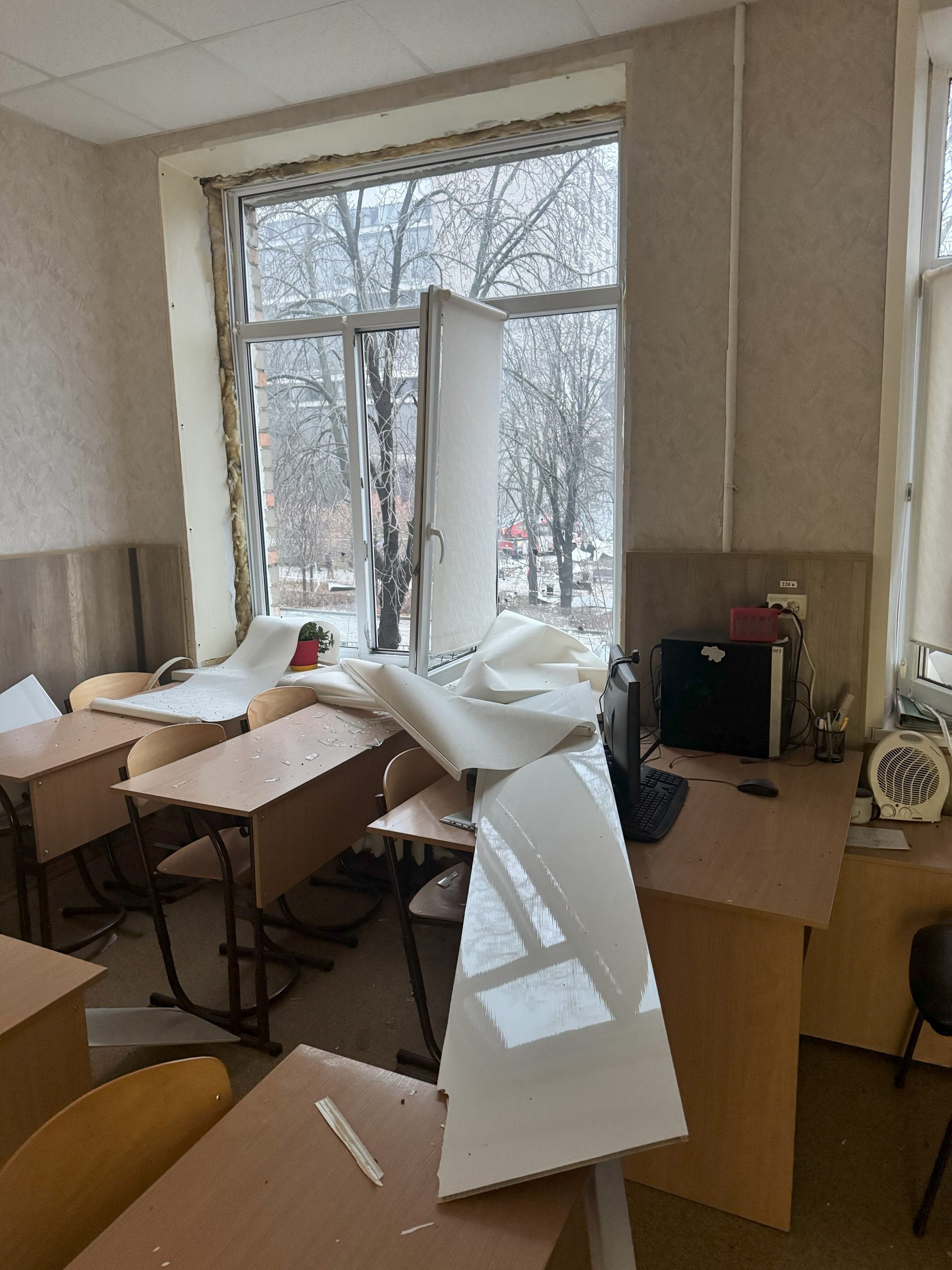
The structural damage was significant. The roof and heating system were penetrated by shrapnel, most of the windows were blown out by the blast wave, and the perimeter fence was also badly damaged.

The long-term structural future of the school building is currently unknown. Police and rescue services are continuing to assess the damage. The missile hit a neighbouring medical center which was almost completely destroyed. The number of people known to be killed in the attack stood at nine by Thursday evening local time, with five others still trapped under the rubble of the medical center.

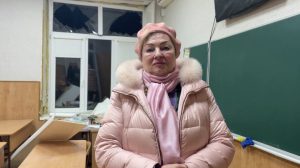
School Principal Dolina Shalmina in a damaged classroom

Dolina Shalmina, school principal, said: “Straight after the explosion, all our teachers, students, and parents came to the school and started removing the rubble. They worked almost until night.

“During the night, the city emergency services welded the heating system and started boarding up the windows with wooden blocks. For now, all the windows are closed with boards. Almost all day there was no electricity, water or internet. In the evening, the electricity resumed. But despite all this horror, we plan to live, work, and continue to teach our children.”

Damage in a classroom following the blast

ORT Ukraine and World ORT’s focus is to ensure future educational provision for students of the school. It is hoped that online classes will be able to continue despite the ongoing attacks on the city.

The support of the ORT network is crucial. Since February 2022 we have together raised millions of dollars, already providing stability, continuity, and hope to students and families who desperately need it.

The stakes remain high, but with your help, we can ensure that our commitment to education — and to each and every student — is upheld.

Thank you for standing with us. Thank you for your generosity. Together, we will face these challenges, make a difference and continue to have an impact through education.

Donate to the ORT Ukraine Emergency Campaign

‘AI Can Enrich Learning Experiences and Better Prepare Students for the Future’

Educator Windclaire Mendez from Sir Manasseh Meyer International School in Singapore recalls her experience of attending the 2024 World ORT Hatter Technology Seminar

The World ORT Hatter Technology Seminar on artificial intelligence (AI) in education was a highly anticipated opportunity for me as an educator to engage with a transformative and globally significant topic. With participants from 17 countries, the seminar offered a valuable platform to exchange insights, explore innovative teaching strategies, and build meaningful international collaborations that will enrich my classroom practice and professional growth.

AI is rapidly transforming the educational landscape, and as both a teacher and a member of our school’s IT committee, I was eager to explore how it can be leveraged to enhance teaching and learning. My primary goal was to deepen my understanding of the applications of AI in education and to identify practical ways to integrate its potential into our school’s practices and policies. I am especially interested in how AI can support diversity and inclusivity, ensuring that all students benefit equitably.

The chance to learn from experts and collaborate with educators from around the world was an invaluable opportunity to gain fresh perspectives and innovative ideas to bring back to my school community.

As a teacher, my expectations for the seminar were focused on gaining practical knowledge about AI tools, understanding the ethical considerations involved, and learning best practices for effective implementation in education. The seminar delivered a valuable mix of theoretical insights and hands-on sessions, offering actionable strategies that I am excited to bring back to my school. For instance, Andrew Dax’s session on generative AI models for school leaders and creating inclusive environments introduced specific tools that can personalize education – an area I am particularly eager to explore further.

Delegates heard from renowned speakers on AI

I was especially inspired by the innovative AI practices showcased by schools within the World ORT network, which provided tangible examples of how AI is reshaping learning environments. As a History teacher, it was eye-opening to see the cutting-edge projects students are undertaking in Design and Technology and Makerspace lessons. These areas, often powered by AI tools and methodologies, are equipping students with essential skills, such as problem-solving, critical thinking, and creativity. This exposure helped me to see how AI can empower students to meet the challenges of an increasingly technology-driven world, fostering not only technical competence but also adaptability and innovation across various disciplines. It has broadened my perspective on how AI can enrich learning experiences and better prepare students for the future.

The insights gained from this seminar will serve as a catalyst for positive transformation within our school community. I am eager to conduct workshops with my colleagues in Singapore, sharing the practical applications of AI to enhance student engagement and improve assessment strategies. The emphasis on ethical considerations, including data privacy and bias in AI, will be invaluable as we strive to implement these technologies responsibly and thoughtfully.

I highly recommend the Hatter Technology Seminar to other teachers as it provides an unparalleled opportunity to gain insights into critical and evolving fields while fostering meaningful international connections. I am deeply grateful to my school Principal, Elaine Robinson, for recognizing and trusting in my skills and abilities by allowing me to attend this seminar. The exceptional organization of World ORT, the expertise of the speakers, the diversity of the participants, and the focus on practical, real-world applications make it a highly valuable experience.

The seminar struck an excellent balance between insightful learning opportunities and meaningful social interactions. It not only informs but inspires, equipping me with both the knowledge and the motivation to drive change in my classroom and school.

My knowledge of World ORT had been limited to knowing that my school was affiliated with the organization. Attending the seminar made me realise that being part of the World ORT network is both a privilege and a profound source of inspiration. It embodies a commitment to educational excellence and the collective advancement of communities through shared knowledge and collaboration. For me, personally, it signifies belonging to a global community that champions innovation, inclusivity, and progress. For my school, it provides access to world-class resources, expertise, and opportunities that help us stay ahead in an ever-evolving educational landscape.

The connections we build and the ideas we exchange within this network profoundly enrich our practices and empower us to make a meaningful, lasting impact.