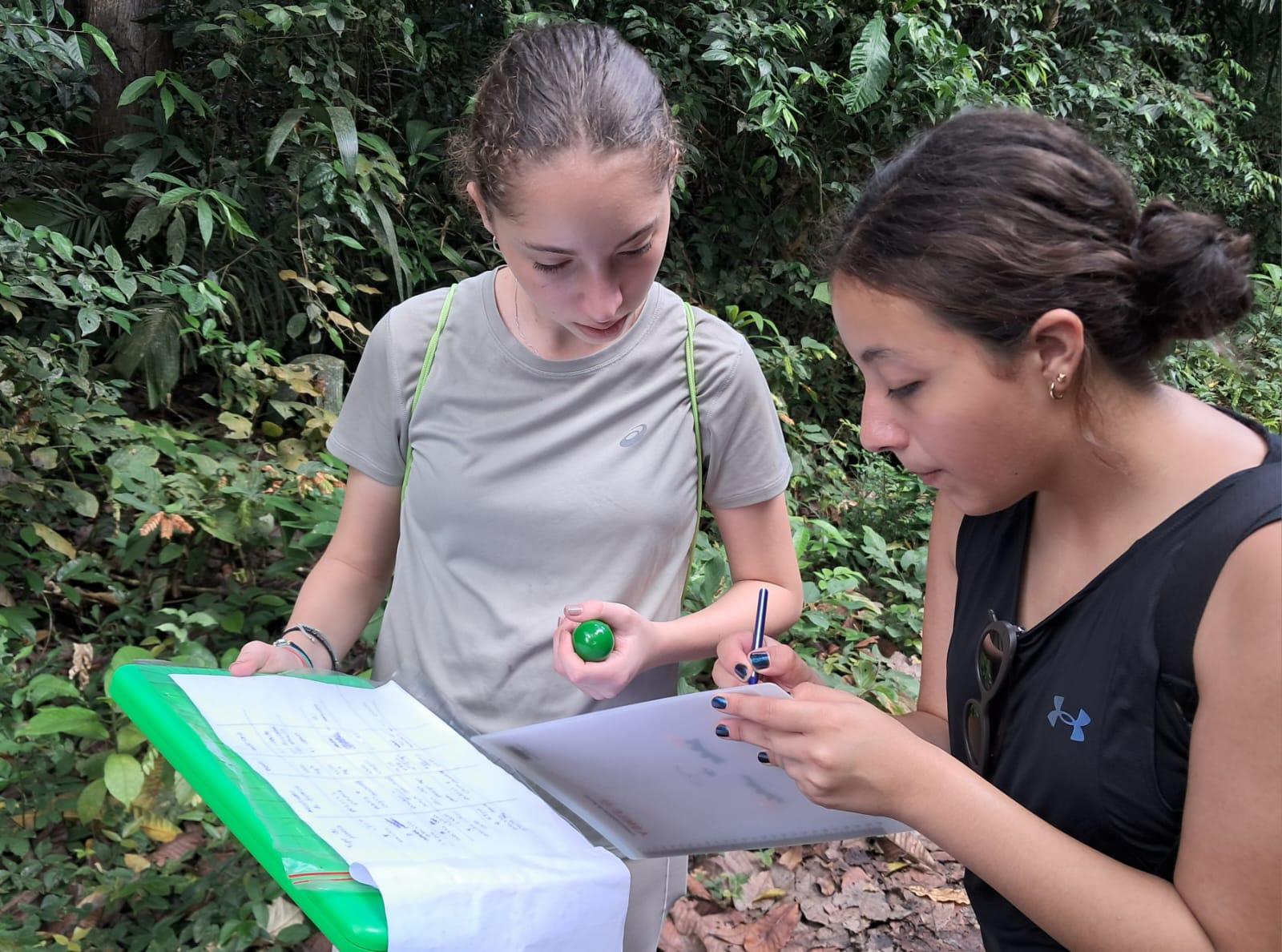
World ORT students from Latin America and Spain took part in the education network’s highly regarded Ecology Summer School program in Panama, with many of them saying the event had transformed their perception of the discipline.
The 26 students, who have a passion for ecology and are aged 15 to 17, came from ORT or ORT-affiliated schools in Argentina, Brazil, Colombia, Spain, Mexico, Peru, and Venezuela for the 12-day regional Spanish speaking program. Running between 15 and 26 February 2026, the program involved intensive learning, work and cross-cultural friendship.
As in previous years of the annual World ORT program, the students worked with experts from the Smithsonian Tropical Research Institute, which is the world’s premier tropical biology research institute. It is dedicated to increasing the understanding of the past, present and future of tropical biodiversity and its relevance to human welfare.
The group stayed at the Soberanía Research Station and Lodge, located in the town of Gamboa, which is surrounded by the lush biodiversity of the Panamanian tropics. Wild animals, including ñeques – also known as agouti, a rodent native to Central and South America – roam freely around the lodge.
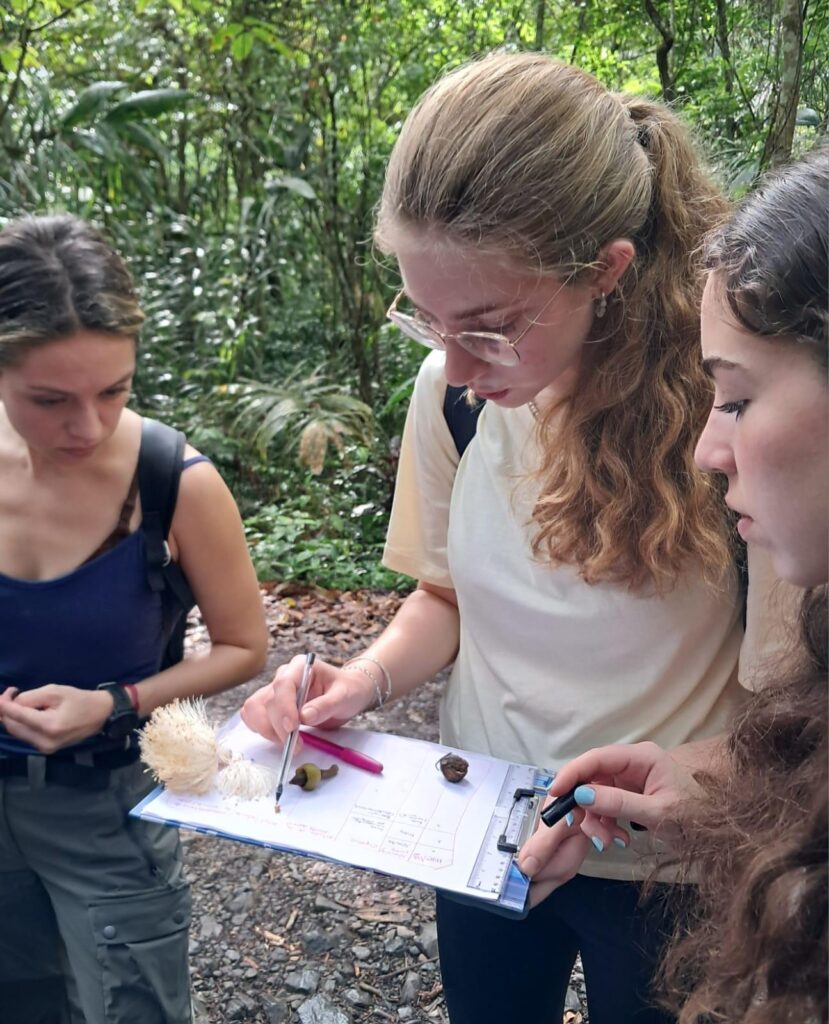
Field trips were taken around the Camino del Oleoducto, a historic road that winds through the rainforest within Soberanía National Park and the Plantation Trail, where the forest becomes denser and more humid, and the nearby Laguna Trail.
The students were guided by biologist Dr Chelina Batista, and discovered a wide variety of plants, interesting varieties of fungi, and animal species, such as woodpeckers, tree creepers, and tickbirds, as well as lizards, leafcutter ants (arrieras), coatis, marmoset monkeys, and the unmistakable howler monkeys. One particularly interesting moment was observing an alligator attempt to cross a street.
In the early days of the program, Chelina encouraged the students to formulate research questions as starting points for their own projects, and they worked on hypotheses, and designing their methodology. Fellow biologist Ana Portugal, meanwhile, discussed scientific methods with them, providing fundamental tools to guide and strengthen their research.
After analysis and guidance from the teachers, seven working groups were formed that investigated aspects of Panamanian biodiversity. These included comparison of the survival strategies of rainforest fungi, differences in the defense mechanisms of plants that grow in light and shade, effects of human activity on Panama’s fauna, and the effect of temperature on the activity levels of arrieras.
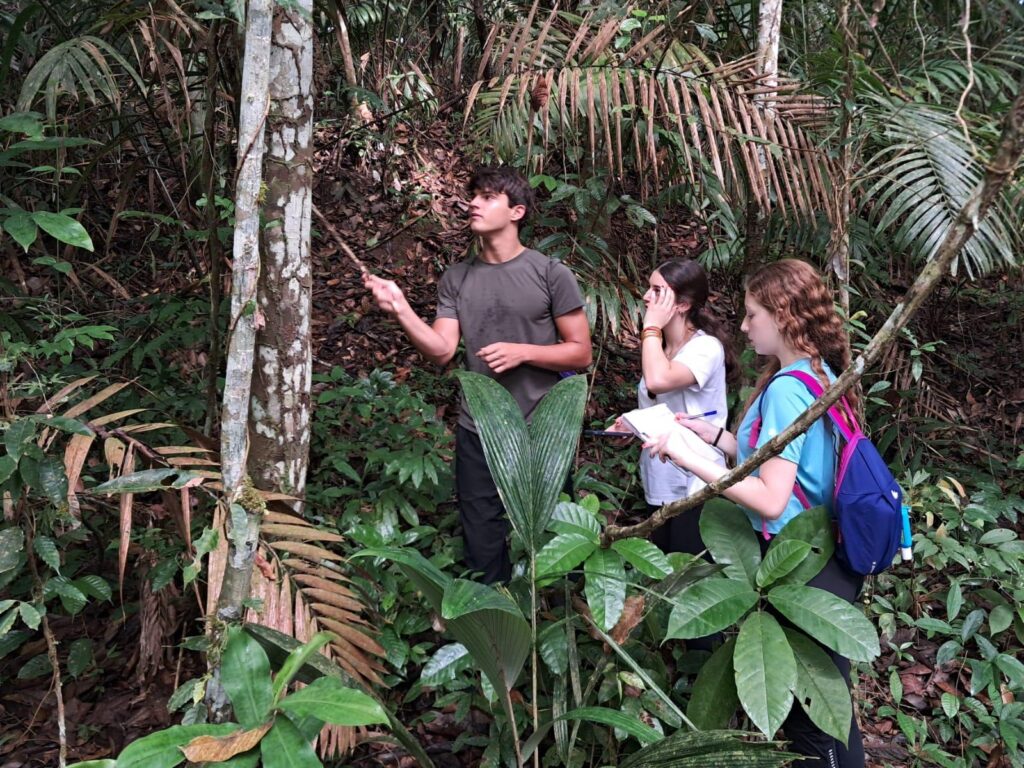
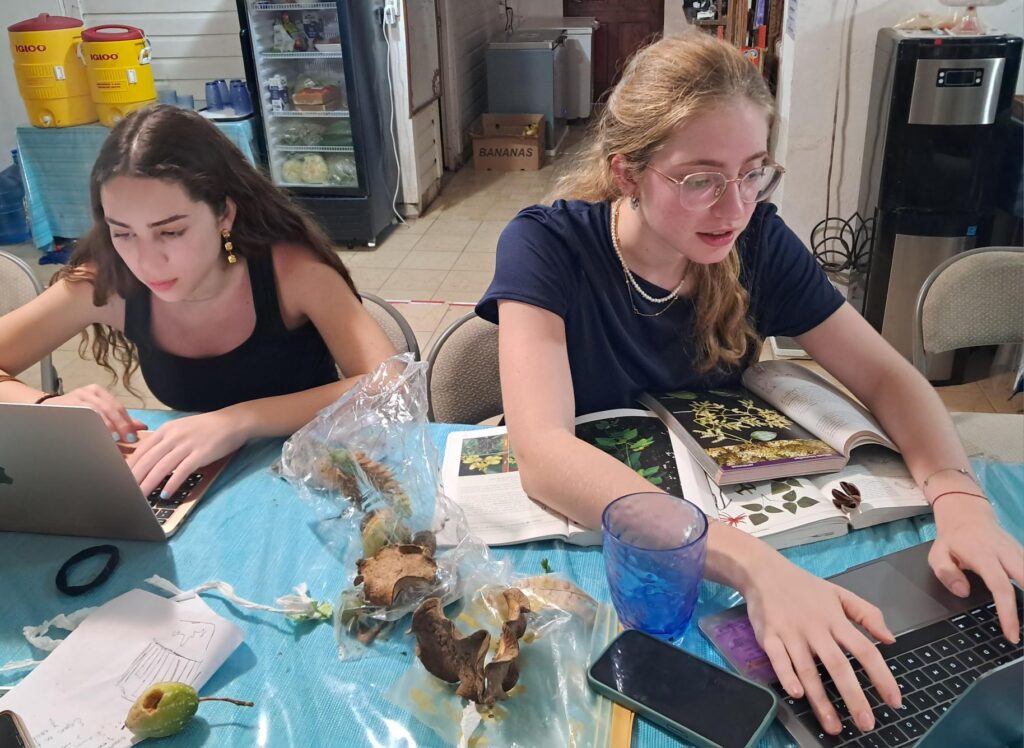
Over several days, students collected data from the Pipeline Trail, the Lagoon Trail, and the town of Gamboa, and evaluated their methodologies. Teachers reviewed the data and provided suggestions and guidance, and students adjusted their techniques over the following days: they measured more accurately, better organized their records, and worked with increasing autonomy, demonstrating confidence in their role as researchers. Their data, which consisted of measurements, field notes, drawings, and photographs, was supplemented through the consultation of books and field guides.
Sloth specialist Ryan Castro told students about his research on genetic variability in pygmy sloths, while researcher Daniel Jovane shared his bachelor’s thesis on the morphological and molecular analysis of macrofungi. Dania Hurtado gave a presentation on her research on the microplastics presence in of fish, and wildlife researcher Melquiades Castillo gave a demonstration on capturing and observing different species of bats.
The group traveled to Altos de Campana Biological Reserve in Campana, walking along the Podocarpus trail and enjoying the cloud forest, where they analyzed the differences between it and the other parks. Other trips included a boat journey along the Chagres River and the Gatún Lake, a visit to the old town, including Plaza de Francia, the Arco Chato, and City Hall.
They visited the Embera village, where they learnt about the customs and traditions of its indigenous community. At the Smithsonian’s Punta Culebra Nature Center, participants observed different species in the butterfly dome and saw a colorful variety of fish, anemones, and other organisms in the aquarium that coexist in coral reefs.
But the students did not only learn about ecology. A major facet of the Summer School is the opportunity to meet and foster cross-cultural friendships with their peers from Jewish communities around the world.
Students enjoyed the country presentations, whereby each group shared cultural aspects of their place of origin, their customs, traditions, music, sports, characteristics of their schools, and even sweets.
Speaking after the event, student Valerie Pinto, from Spain, said: “These friendships will last forever, and this experience will last forever too in my mind and heart.”
A particularly memorable part of the program was observing Shabbat. Daniel Tysman, Head of World ORT’s Education Department, officiated over a meaningful ceremony during which he led a discussion about some teachings and dilemmas that generated great interest among the students. Ending Shabbat with Havdalah, some of the students explained the significance of the ceremony, while others recited the blessings over the candles and spices.
World ORT CEO Dov Ben-Shimon joined the group for part of their trip. He shared with the students his belief that passion is powerful, but skills change the world.
Speaking afterwards, he said: “Students came from across the southern hemisphere: diverse communities, different backgrounds, united by curiosity, seriousness of purpose, and a deep desire to understand what Jewish responsibility means in a changing world.
“Our ORT students are not interested in slogans or despair. They’re asking harder questions: What skills will we need? What kind of leaders must we become? How can Jewish values inform real-world solutions?”
The groups conducted their presentations in English, demonstrating solid collaborative work, confidence in expressing themselves, and careful preparation. Educators and experts described their presentations as “well-organized, clear, and engaging, adequately supporting the main ideas without overwhelming the audience; their coordination and commitment contributed to presentations that were both informative and dynamic”.
Student Karina Benaim from Venezuela said: “After finishing Summer School, ecological biology is definitely among my study options – it’s something that interests me a lot now.”