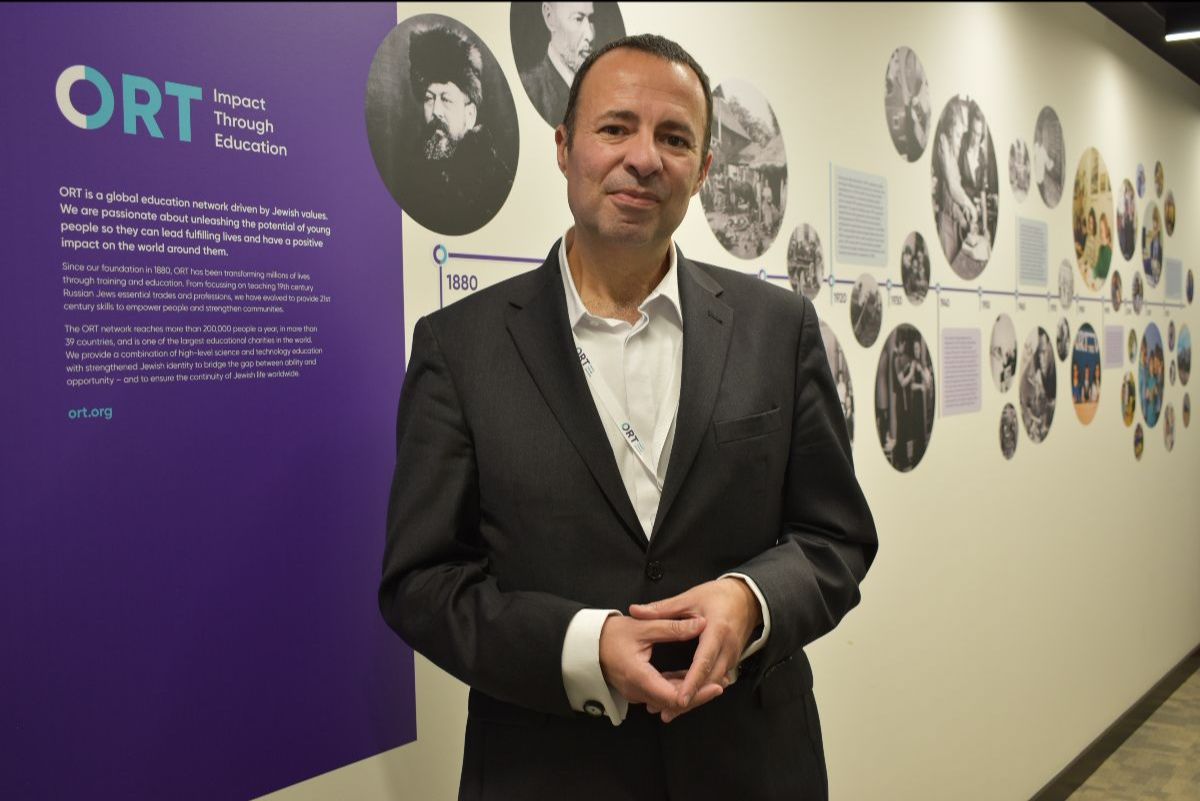
Dear ORT Friends and Leaders,
This week I finally tackled a project that had been waiting for years: cleaning out old boxes of CDs and cassette tapes.
The process took much longer than I expected. Partly because I kept stopping to listen.
Each album seemed to unlock a memory: an army outpost, a university dorm room, my first apartment. For a few moments, I was transported back to the person I was when I first bought them.
Nostalgia is a powerful thing. But I noticed something interesting: sometimes the memories were stronger than the music itself. The songs hadn’t changed. I had.
The person who carefully built that music collection lived in a different world. CDs were the future. Cassettes were normal. Streaming music was like science fiction. But at the time, those technologies felt modern and permanent.
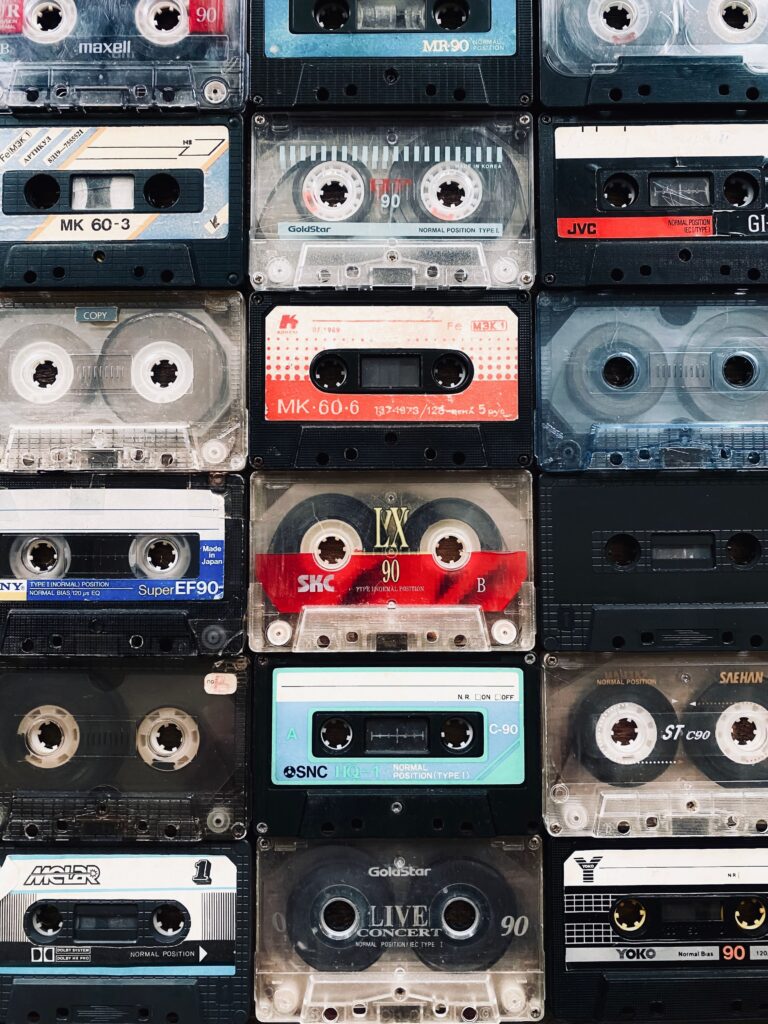
Today they sit in boxes destined for donation or recycling.
As I sorted through them, I found myself thinking about perspective. In this week’s Torah portion, Balak, a Moabite king, looks at the Jews and sees a problem. He sees danger. He sees a threat. He hires the prophet Balaam to curse them. But every time Balaam looks at the same people, he sees something different. Instead of curses, he finds blessings. Instead of weakness, he sees strength. Instead of a problem, he sees possibility.
The people haven’t changed. The perspective has.
Sometimes we need distance from something before we can truly understand its value. Looking at those old CDs and cassettes, I realized that their importance was never really about the technology. It was about what they represented: learning, discovery, growth, and connection. The medium changed. The impact remained.
Just like in education.
At ORT, we’re proud of our history. For over 145 years, we’ve helped Jewish communities build lives of dignity and opportunity through education. But our purpose has never been tied to a particular classroom, workshop, computer, or technology.
The tools change. The mission doesn’t.
Yesterday’s cutting-edge skills become today’s standard knowledge. Today’s innovations will one day seem as quaint as a cassette tape. But the need to prepare young people for a changing world remains constant.
That’s why Jewish education matters. It teaches us to see beyond the immediate moment. To recognize potential where others see obstacles. To understand that every generation has to find new ways to express timeless values.
Balak looked at the Israelites and saw a threat. Balaam looked at the same people and saw a blessing.
So as I packed away those old boxes this week, I was reminded that what matters most is not what we leave behind, but what we carry forward. And that’s a lesson worth preserving.
Shabbat shalom,
Dov
Dov Ben-Shimon
Chief Executive Officer, World ORT