Digital Skills Academy Empowers Young Minds with Skills, Confidence and Lasting Friendships

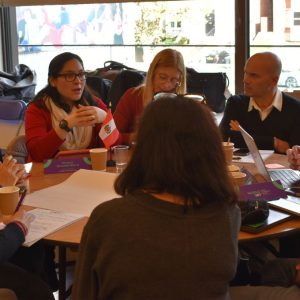
Days after meeting for the first time, laughter and song echoed through a lively karaoke party, as high school students from across Europe and Israel quickly bonded at the World ORT Digital Skills Academy (DSA) in Sofia, Bulgaria.

Over the course of two action-packed weeks, the Academy provided 25 students from 14 ORT schools in nine countries with a unique blend of technical learning, cultural enrichment and personal growth – all wrapped in a spirit of friendship and discovery.

A Warm Welcome and Fast Friendships

Students, supported by a team of madrichim, dived into ice-breaking games and settled into their new home in Sofia in the opening hours of this life-changing summer program.

The group quickly felt at ease with the support of a dedicated team of professional staff from World ORT and ORT Bulgaria who encouraged them to make the most of the experience ahead.

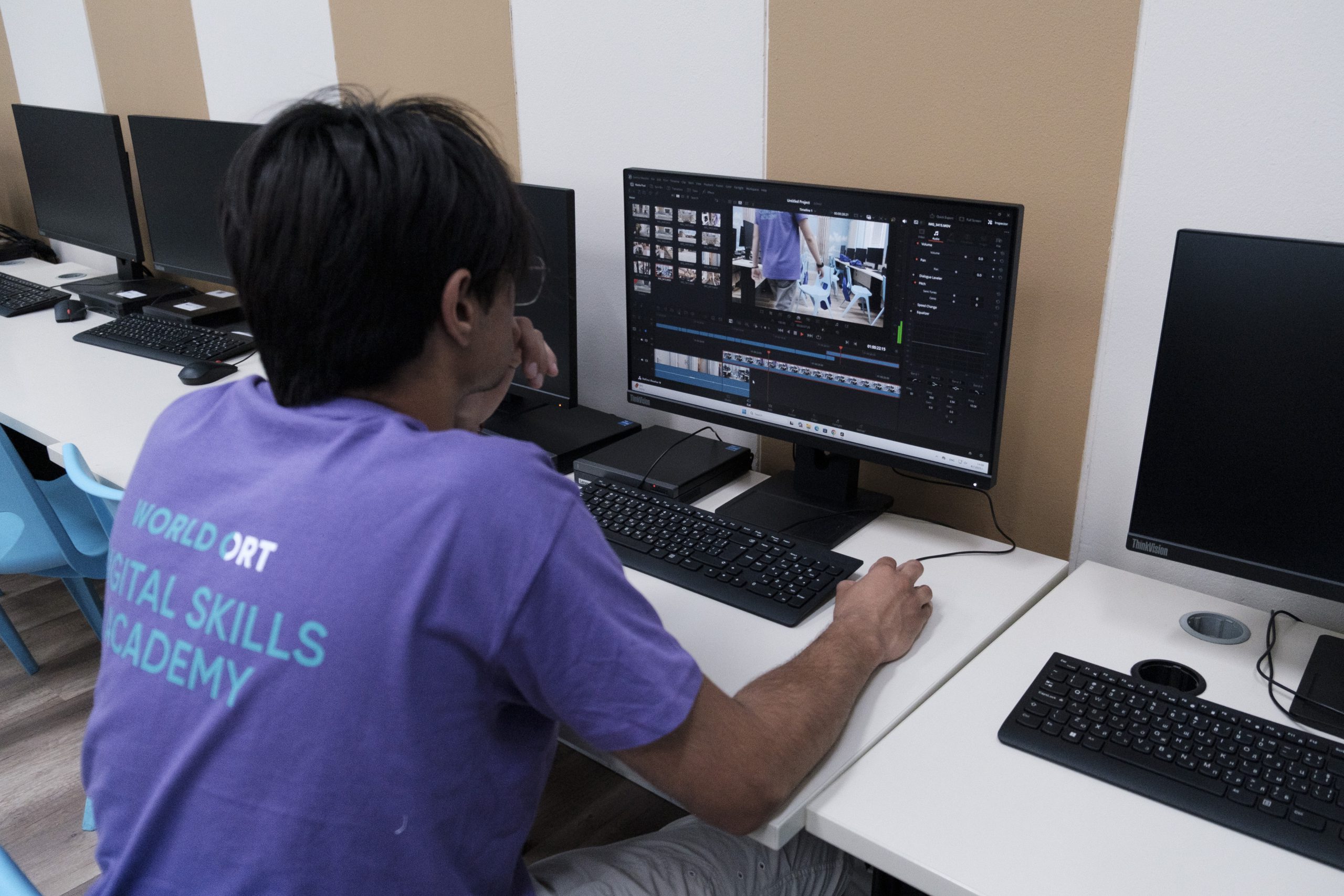
Then it was time to get hands-on: half the group explored digital photography with a professional photographer, while the others dived into video production with digital media experts.

Behind the Scenes of Global Creativity

Students experienced inspiring excursions in the Academy’s first week. A visit to Bulgaria’s renowned Nu Boyana Film Studios gave them rare access to working film sets where they filmed and took photographs amidst blockbuster backdrops. They also had the opportunity to visit Disney’s regional headquarters in Sofia, where they learned how departments such as legal, marketing, and creative teams collaborate on Disney, STAR, and National Geographic content.
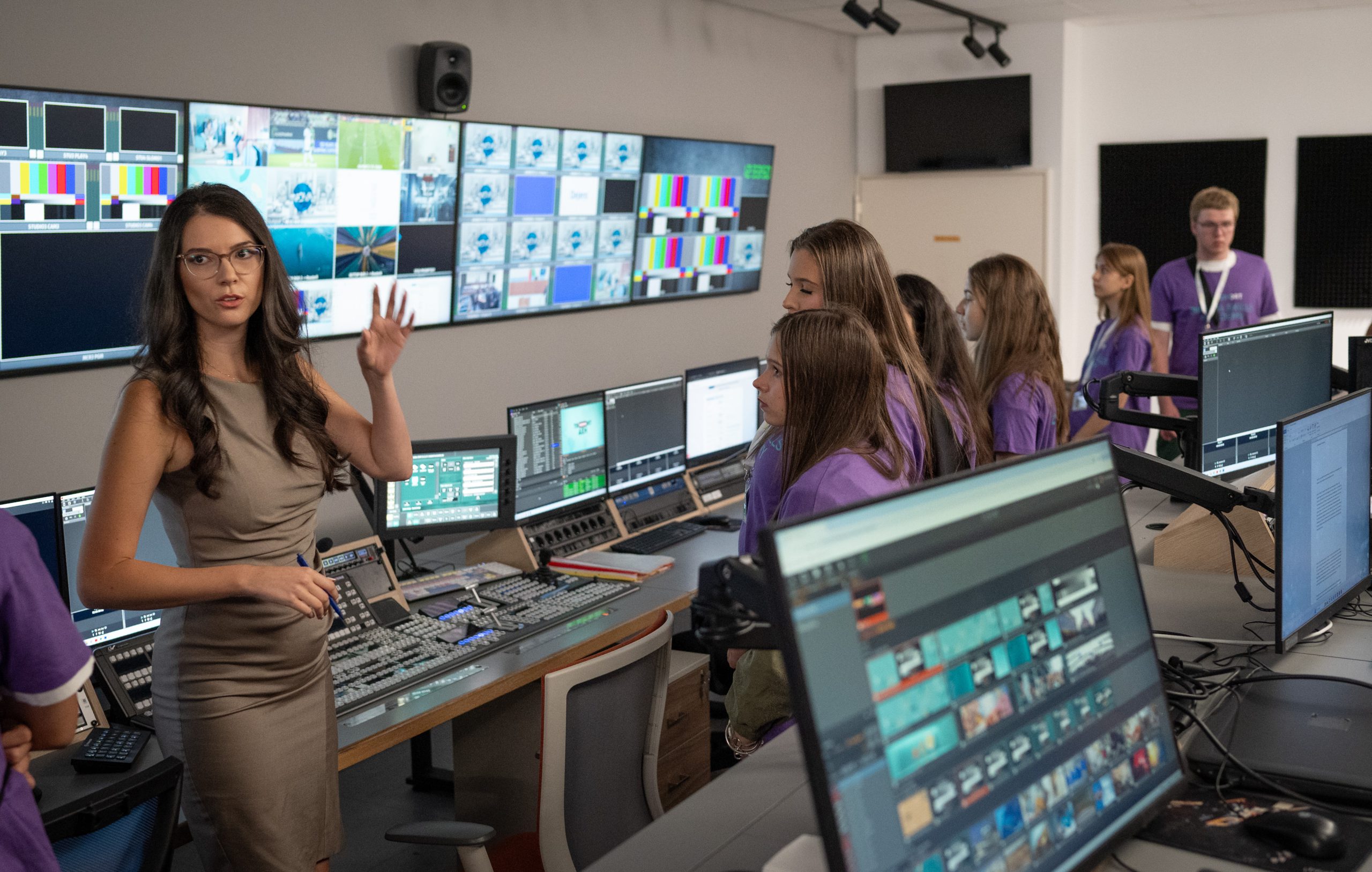
Another highlight was the trip to NOVA TV, one of Bulgaria’s leading television networks. Students sat in on a live news broadcast, toured the studios, and met Bulgaria’s most popular weatherman. It was an eye-opening glimpse into media careers and the skills behind the screens.

Workshops, Reflection and Cultural Immersion

Students spent their days building skills through workshops in video editing, photography, podcasting and Photoshop. Each evening they reflected on the day’s highs and challenges, reinforcing the importance of self-awareness and growth.


ORT student Miglė, from Vilnius in Lithuania, said: “I have always wanted to be involved in cinema and after seeing everyone here work with such passion and creativity I realised that it is what I really want to do. I want to work with people who share the same passion and now I will do everything to continue working with confidence in video production.”

At the end of the first week the group explored Sofia’s rich Jewish heritage with a visit to the city’s historic synagogue. Shabbat offered a welcome pause. At a kosher restaurant close to the ORT No. 134 “Dimcho Debelianov” Jewish School, the group shared Kiddush and traditional food, creating a warm and inclusive atmosphere. A walking tour of Sofia’s landmarks, including the Square of Tolerance and the Roman ruins of Serdica, ended with group games and laughter at the National Theatre.
From Sofia to Kyustendil: A Journey of Discovery

For the Academy’s second week the group travelled to Kyustendil in south-western Bulgaria, in a picturesque setting near the Osogovo mountains. A trip to a nearby sequoia forest showcased the creative power of the natural world and provided stunning scenery for long-exposure activities.

The final days saw a flurry of collaboration and creativity. Students filmed five-minute short movies based on imaginative prompts such as “The Lost Key” and “Wrong Room”, edited their final photo collections, and prepared for the much-anticipated exhibition and talent show. A special celebration included traditional Bulgarian folk dancing, a disco, and birthday cake for one student.

Elizaveta, an ORT student from Moldova, said her experience at the Academy was overwhelmingly positive.

“I think the most valuable part of this program is the people who worked here and the people who came here. This event will stay with me forever and will remain in my heart as a warm memory.

“I would definitely recommend this program to other people interested in photography because through it, you can truly understand if you like photography, meet amazing people, visit incredible places, and just spend two weeks of your summer productively.”

On the Academy’s final day, students completed their projects under time pressure but with enthusiasm and teamwork. The photo exhibition was hung, videos were rendered, and skits were rehearsed. As the end approached, excitement gave way to nostalgia.

One last ceremony showcased the group’s best work to an audience of special guests, including Israel’s Ambassador to Bulgaria together with the Cultural and Scientific Attaché, plus the Mayor of Kyustendil. It closed a chapter filled with unforgettable experiences and friendships that will endure far beyond Bulgaria.

Leor Harel, World ORT Learning Development Manager, said: “It was inspiring to see students given the opportunity to learn from industry professionals and gain a comprehensive understanding of the skills and knowledge needed to succeed and thrive in media and the creative industries.

“This unique experience enables students to develop critical skills, step outside their comfort zones, and connect with like-minded peers from across the ORT Network.”
International Recognition for Ukrainian ORT Students’ Innovations

ORT students in Ukraine have been recognized with international awards for inventing devices aimed at helping citizens affected by war.

One design is a bracelet that recognizes potential threats for people with hearing problems. Another is a mobile app that aims to relieve psycho-emotional stress in children as young as six. Both projects won the students platinum awards at an international competition.

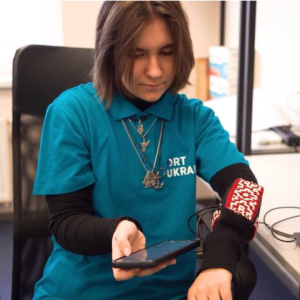
Viktoriia, 16, a pupil at Lyceum #141 “ORT” Kyiv, designed SoundAid, a smart bracelet that recognizes the name of the person wearing it as well as dangerous signals, such as car horns, sirens, and screams. If a potential threat is detected, the bracelet vibrates to alert the wearer to take care.

Viktoriia demonstrates her SoundAid bracelet

Viktoriia demonstrates her SoundAid bracelet

Her project won a platinum award at the world final of Infomatrix 2025, an international computer project competition held in Bucharest, Romania, in May.

Viktoriia, who was assisted by technology teacher Maksym Koroliov and headteacher Olha Rybak, learned about the problems of people with hearing impairments  and, after talking to the Ukrainian Society of the Deaf, discovered that there were few devices to support them.

“My goal was to create an affordable and accessible device for people with hearing impairments,” Viktoriia explained. “Other target audiences were added, such as parents with young children and people who often wear headphones, but the device is still planned to be accessible to everyone.”

Meanwhile, 15-year-olds David and Alisa, also students at Lyceum #141 “ORT” Kyiv, won a platinum award for their project Quiet Heart, which aims to relieve some of the stress connected with the Ukraine war experienced by children aged six to nine and their teachers. These stressors include concern over the fate of relatives in the army, air raids, and loud noises.

David and Alisa designed the Quiet Heart app

David and Alisa designed the Quiet Heart app

Their schoolmates, Dmytro and Nazar, 14, who formed the ORT-2 team, won a silver medal for their entry in the Lego Sumo Robot category of the Infomatrix competition: a robot assembled and programmed on the EV3 controller.

ORT Ukraine provided the school in Kyiv with all the necessary equipment and all teachers of STEM subjects receive a salary supplement, supported by World ORT. The organization also partially covered the expenses of students and teachers to participate in the final of the world competition in Bucharest, as well as the round-trip travel.

Thanks again to the support of World ORT, ORT Ukraine was able to equip the school’s shelter with everything needed not only for the safe and comfortable stay of students and teachers, but also to continue the educational process. The school was also provided with uninterruptible power supplies, allowing the students to continue their education during power outages.

Yuliia Tkachuk, of ORT Ukraine, said the organization was proud of the achievements of its students and mentors. “This success is a clear indication of the strength of Ukrainian innovative education, as well as a confirmation of the high level of training of students and teachers of the ORT educational network,” she said. “No matter what, we teach, learn, inspire and support.”

People with hearing impairments often cannot hear important environmental sounds, which increases the risk of accidents, especially on roads. Existing devices are mostly focused on the high volume of the sound rather than the potential danger.

Viktoriia says SoundAid, which uses a neural network to analyze ambient sounds, can be used in everyday life as well as in specialized environments, such as workplaces with high noise levels. In the context of the war in Ukraine, people with hearing impairments are particularly vulnerable to dangers because they cannot hear alarms or approaching danger. SoundAid can be a critical tool for their safety in such conditions as well as more generally.

The prototype bracelet, which can be charged and turned on via a button, was created from a Raspberry Pi Zero 2 W board with vibrators and a connected microphone. These were provided by the school.

David and Alisa believe that because Generation Alpha (children aged between 0 and nine) were born into a digital world where smartphone use is ubiquitous, they will be receptive to receiving psychological help via a mobile app. They say they have not found suitable apps for children aged six to nine, therefore decided to design their own.

Their app, which aims to improve concentration during class, will focus on breathing, movement, distraction games, audio fairy tales, and cartoons with exercises. It can also be used with parental support at home and by psychologists.

“Children, especially young ones, are experiencing stress and psychological tension because of the war. They are all in a generation of smartphone users, so the idea of creating an app that will help relieve this situation was creative and everyone liked it,” explained Alisa. “After testing, the children said it helped them to relieve tension and stress, distract themselves and relax a little.”

Making the World a Better Place: ORT Students Join Global Project Promoting Jewish Values

Students from ORT schools in six countries created products that allowed a paralysed man to eat independently and a teenage stroke victim to play the guitar again.

The teenagers, aged 14 to 16, from schools in Spain, Italy, Mexico, Brazil, Costa Rica, and South Africa, attended the ORT-affiliated Colegio Hatikva in Barcelona to take part in the Tikkun Olam Makers (TOM) project, which is designed to help improve lives.

It was the first time the Barcelona school had collaborated with international students, thanks to connections made through the ORT network, and the first time the other schools had taken part in the TOM project.

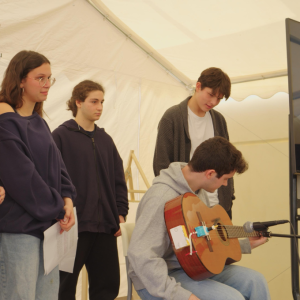
Students show the guitar implement they designed

Students show Bernat the tool they designed to enable him to play the guitar again

A total of 35 students from Colegio Hatikva – which organised the week – and another 25 students from ORT Colegio Estrella Toledano, Madrid, Spain; Colegio ORT Olamí, Mexico City, Mexico; Scuola Della Comunità Ebraica, Milan, Italy; Instituto Dr Jaim Weizman, San José, Costa Rica; King David Linksfield High School, Johannesburg, South Africa; and Escola ORT, Rio de Janeiro, Brazil, took part.

TOM is a movement of around 70 communities around the world that try to provide affordable solutions for the challenges of people living with disabilities, the elderly, and the poor.

Roger Guerrero, Colegio Hatikva’s Co-ordinator of Innovative Technology and Education, has been working on the TOM project since its adoption by the school three years ago.

“It was amazing,” Mr. Guerrero said of this year’s participation. “It was the first international TOM project in Spain, and it went better than expected.

“We try to make the world a better place. It’s not only about teaching the students innovation and technology; it’s about teaching them the values that make us civilized.

“Through this project, our students realise how lucky they are, and they learn what it means to help others who are in need. We wanted to share these values and innovation with other schools.”

Colegio Hatikva student, Ariel, 15, said: “The Tom project Makeathon was fun. We learned a lot about leadership and design. I loved the fact that we worked with students from other countries. Helping people with needs was very emotional as some of them didn’t think they could do some activities again.”

Alan, from Colegio ORT Olamí, said: “I enjoyed working with people my age from other countries and finding out what their community is like as well as solving problems for people.”

Amber, Demi and Ruby, a trio of South African students who joined the initiative, said: “This was the most remarkable and unforgettable experience, and we are so grateful to have had this opportunity. We encourage everyone to get involved as the skills you learn are unbelievable, including design thinking, working in teams across cultures and presenting to a wide audience.”

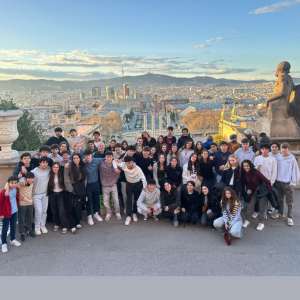
Students take time out to visit Barcelona

The students took time out of their designing schedule to be tourists

The Makeathon normally only involves university students. Colegio Hatikva is believed to be one of the only participating schools. It was while attending the World ORT Hatter Technology Seminar in London last November that Mr. Guerrero discussed the project with peers from other ORT schools.

The overseas students were hosted by Colegio Hatikva families and the students did everything together. “They enjoyed it a lot, and they gained much more than pure knowledge – they learned how they can improve the world with technology. They are not just using technology, such as TikTok or Instagram, in an individual way; they are using it to improve the lives of others,” explained Mr. Guerrero.

As part of the Makeathon project, students meet people with disabilities to discuss their daily challenges, discover what solutions they have tried, and how they feel their situation could be improved.

The school has collaborated with the Institut Guttmann in Barcelona – which supports people affected by spinal cord injury, acquired brain injury, and other neurological disabilities – as well as hospitals to assess options available to patients. Colegio Hatikva’s students then work on a prototype, continually improving it following feedback from the end user until it becomes “a product they can use for the rest of their life”, says Mr. Guerrero.

This year, students heard from 19-year-old Bernat, who had suffered a stroke that left him with limited mobility on his right side. Among his greatest frustrations was that he could no longer play the guitar, so students used 3D online modelling program Tinkercad and 3D printing technology to create a support that allowed him to stabilise the instrument and play it with one hand. Bernat said that being able to play the guitar again felt like “recovering a part of myself”.

Students also created a tool, costing less than €1, for a patient who could not independently feed himself. The tool slotted into a spoon, allowing him to hold the implement. “Now he can eat alone,” explained Mr. Guerrero.

Joined by their parents, some students also created 12 children’s wheelchairs for a local hospital. Another item they designed was a micro:bit a pocket-sized computer for software and hardware programming – for visually impaired people, making it 10 times bigger than usual so users are better able to connect the wires. “We are not reinventing the wheel – we are trying to make things easier for people,” explained Mr. Guerrero.

Bernat, for whom the guitar tool was created, said: “Doing these things helps a lot of people and, a year later, I can play the guitar again.”

Mr. Guerrero said the school’s implementation of the TOM Project had been so successful that many other institutions around Spain were keen to take part and he hoped to widen its reach even further next year.

Ari Messer, Principal of Colegio Hatikva, said: “Our school transforms into a pioneering and innovative one in terms of Jewish innovation, instilling Jewish values. It is helping society, tikkun olam, illuminating the world.”

Argentina Students Celebrate Robotic Success Again

Students from ORT Argentina’s Robotics Club have scored a series of victories in a prestigious competition organized by the Technion – Israel Institute of Technology.

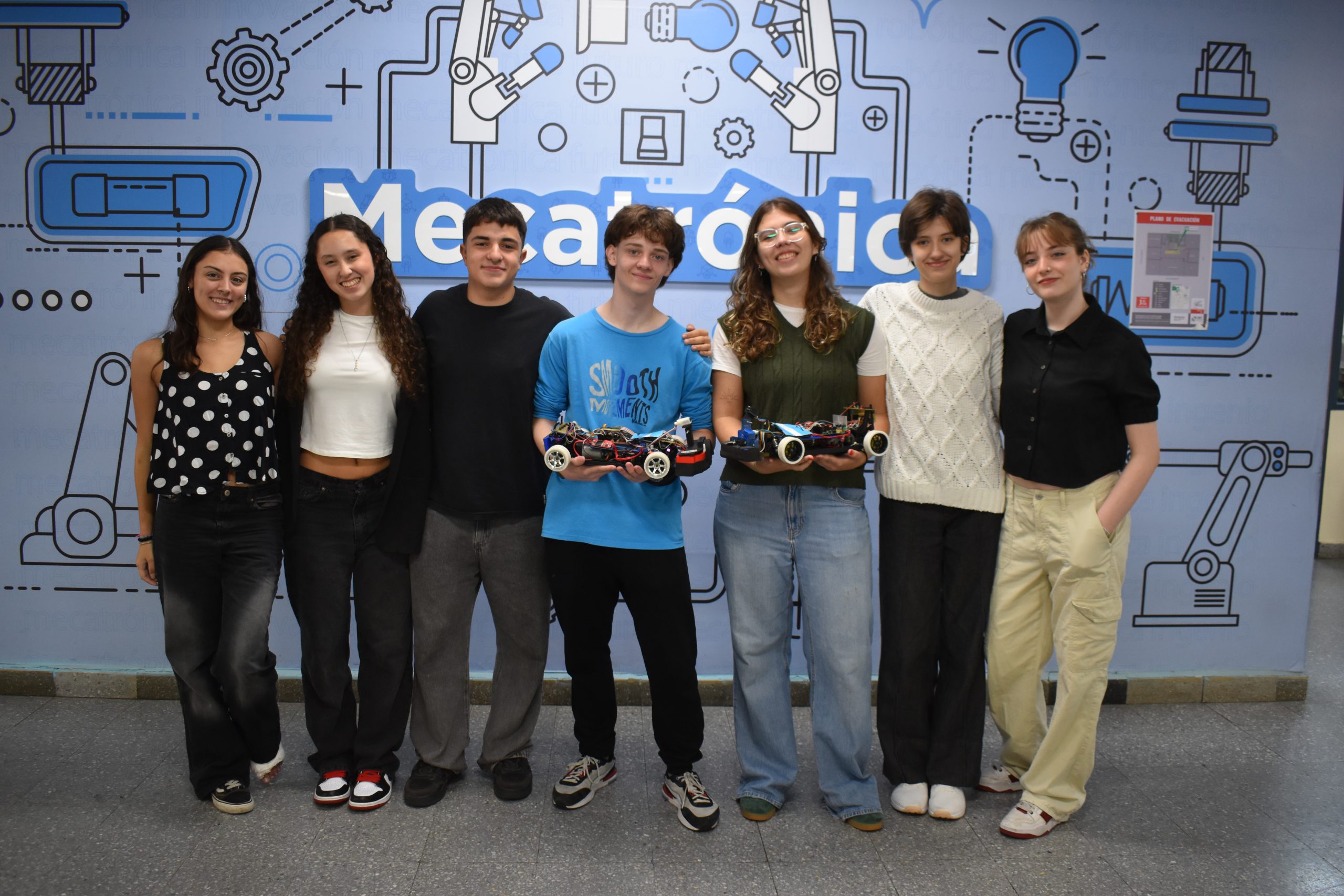
The annual Nadav Shoham Robotraffic Competition sees teams of students create intelligent cars which can run on smart roads. The teenagers build their team-work capabilities and gain exposure to high-tech multi-disciplinary robots and sensors as part of the popular program.

The Argentinians’ two gold medal places, one silver medal and one bronze medal, built on the success achieved in previous years by students of the Mecatrónica program.

One student, Martín, explained his role in this year’s victories: “I mainly dealt with the programming part and I was able to learn how to program a robot to follow a line, to respect the traffic light – things I didn’t know and I learnt when preparing for the competition.”

He said the main challenge had been to “test, test and test again… we had to modify the speed to make it go faster without going off the track. Then we had to reprogram it, change values, and that was the most complicated thing. But it was worth it”.

Teammate Lucio added: “The best thing about the competition was the group, both students and teachers. The experience adds a lot to us personally, because last year we competed in the national league in Argentina, but Robotraffic is much more focused on software and in the development of miniature autonomous vehicles to be able to take them to the real world later.”

Students from the ORT Argentina teams

Eva explained the impact of her ORT education. “It was very interesting to be competing against people from all over the world, to compare how the different countries solve challenges and to see how you can stand out. ORT Argentina has highlighted this over the years. Being part of this is to leave a mark.”

Technion’s Professor Moshe Shoham had welcomed students to the competition, saying: “This event brings together brilliant young minds from around the world to showcase innovative solutions in safe driving and autonomous vehicle technology.

“This technology is crucial in a rapidly changing world driven by artificial intelligence and robotics. What you learn in the competition will stay with you whether you win or not and will help you navigate our ever-evolving world.

“This is already your prize for participating in the Robotraffic competition. You can tackle global problems and boost understanding and cooperation among cultures.”

The event took place online in late March. Four teams competed from the ORT Tekhiya school in Moscow, winning one silver and one bronze medal in the racing category. Teams also joined from Vietnam and the United States.

Let’s Talk Schools: AI is here to stay, let’s embrace it

This article first appeared in The Jewish Chronicle

JANUARY 19, 2025

It is a beneficial tool, which children should be taught to use responsibly

When ChatGPT burst on to the scene two years ago, some of my students, who had previously barely been able to string a few words together, were suddenly producing phenomenally well-constructed written work. They must have thought we, their teachers, were born yesterday.

The concern that students will lose the willingness or ability to study, and instead pass off work done by chatbots, is an extremely valid one. But Generative AI – of which ChatGPT is just one example – is also an immensely useful tool. In many schools, AI has become a focus for professional development as leaders seek to harness its potential while ensuring it is not misused.

World ORT is an educational not-for-profit that supports Jewish schools in more than 30 countries, prioritising high-quality STEM education. At our recent annual Hatter Technology Seminar, we explored how AI can enhance teaching and learning, support leadership and equip students for a future where mastering AI will be essential to succeed in the workplace.

We shared our fears about the risks posed by unregulated AI. There is an urgent need to adopt policies to promote responsible AI use and provide training that highlights its risks, including bias, misinformation and potential job losses. We must work towards ensuring that students develop their critical thinking in order to spot hallucinations, or inaccuracies, and to understand when to use their own thinking to complete tasks.

But we also learnt about the opportunities AI provides and that, as it rapidly evolves, we and our students must not be left behind. We were reminded that, just as previous technological advances – calculators in the classroom, for instance – caused concern, AI is also here to stay.

AI’s far-reaching benefits include improving student engagement and broadening access to learning in the classroom. Teachers can use AI to modify lesson plans, for example, to make them for accessible for pupils with special needs.

Crucially, we heard that creation is no longer the highest order of thinking in a post-AI world. To thrive, students must excel at collaboration and innovation, generating novel solutions and ideas. Our discussions emphasised the importance of training students to retain agency, use AI safely, protect privacy and spot bias and discrimination. The reinforcing of racial or gender stereotypes, among other inequalities, is also present in the virtual world – if you ask AI to create an image of a computer programmer, it will generate a visual of a young white male.

If we ban students from using AI, some will take advantage of it anyway; this will be at the expense of their engagement in learning. But by adapting our teaching and assessment practices to support responsible AI use, we can encourage openness, debate and collaboration. This creates an environment in which students develop critical thinking and ethical awareness. They will use AI for deeper learning and innovation rather than as a shortcut for rote tasks.

My priority at ORT is to create a forum in which participants can share resources and good practices and strengthen our professional networks. Our participants left motivated to serve as AI champions in their schools, leading professional development and training for both their teachers and students in responsible use of AI.

AI did not write this article but if it had and you had found it informative, would it matter? As educators, however, it is the process rather than the output that has always been at the heart of learning. Engaging with AI tools and using them to enhance students’ thinking – rather than doing the thinking for them – is critical.

Leor Harel is Learning Development Manager of World ORT

‘AI Can Enrich Learning Experiences and Better Prepare Students for the Future’

Educator Windclaire Mendez from Sir Manasseh Meyer International School in Singapore recalls her experience of attending the 2024 World ORT Hatter Technology Seminar

The World ORT Hatter Technology Seminar on artificial intelligence (AI) in education was a highly anticipated opportunity for me as an educator to engage with a transformative and globally significant topic. With participants from 17 countries, the seminar offered a valuable platform to exchange insights, explore innovative teaching strategies, and build meaningful international collaborations that will enrich my classroom practice and professional growth.

AI is rapidly transforming the educational landscape, and as both a teacher and a member of our school’s IT committee, I was eager to explore how it can be leveraged to enhance teaching and learning. My primary goal was to deepen my understanding of the applications of AI in education and to identify practical ways to integrate its potential into our school’s practices and policies. I am especially interested in how AI can support diversity and inclusivity, ensuring that all students benefit equitably.

The chance to learn from experts and collaborate with educators from around the world was an invaluable opportunity to gain fresh perspectives and innovative ideas to bring back to my school community.

As a teacher, my expectations for the seminar were focused on gaining practical knowledge about AI tools, understanding the ethical considerations involved, and learning best practices for effective implementation in education. The seminar delivered a valuable mix of theoretical insights and hands-on sessions, offering actionable strategies that I am excited to bring back to my school. For instance, Andrew Dax’s session on generative AI models for school leaders and creating inclusive environments introduced specific tools that can personalize education – an area I am particularly eager to explore further.

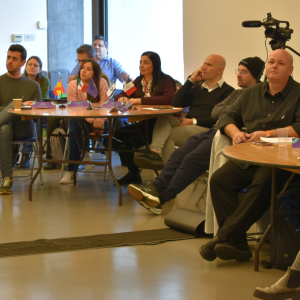
Delegates heard from renowned speakers on AI

I was especially inspired by the innovative AI practices showcased by schools within the World ORT network, which provided tangible examples of how AI is reshaping learning environments. As a History teacher, it was eye-opening to see the cutting-edge projects students are undertaking in Design and Technology and Makerspace lessons. These areas, often powered by AI tools and methodologies, are equipping students with essential skills, such as problem-solving, critical thinking, and creativity. This exposure helped me to see how AI can empower students to meet the challenges of an increasingly technology-driven world, fostering not only technical competence but also adaptability and innovation across various disciplines. It has broadened my perspective on how AI can enrich learning experiences and better prepare students for the future.

The insights gained from this seminar will serve as a catalyst for positive transformation within our school community. I am eager to conduct workshops with my colleagues in Singapore, sharing the practical applications of AI to enhance student engagement and improve assessment strategies. The emphasis on ethical considerations, including data privacy and bias in AI, will be invaluable as we strive to implement these technologies responsibly and thoughtfully.

I highly recommend the Hatter Technology Seminar to other teachers as it provides an unparalleled opportunity to gain insights into critical and evolving fields while fostering meaningful international connections. I am deeply grateful to my school Principal, Elaine Robinson, for recognizing and trusting in my skills and abilities by allowing me to attend this seminar. The exceptional organization of World ORT, the expertise of the speakers, the diversity of the participants, and the focus on practical, real-world applications make it a highly valuable experience.

The seminar struck an excellent balance between insightful learning opportunities and meaningful social interactions. It not only informs but inspires, equipping me with both the knowledge and the motivation to drive change in my classroom and school.

My knowledge of World ORT had been limited to knowing that my school was affiliated with the organization. Attending the seminar made me realise that being part of the World ORT network is both a privilege and a profound source of inspiration. It embodies a commitment to educational excellence and the collective advancement of communities through shared knowledge and collaboration. For me, personally, it signifies belonging to a global community that champions innovation, inclusivity, and progress. For my school, it provides access to world-class resources, expertise, and opportunities that help us stay ahead in an ever-evolving educational landscape.

The connections we build and the ideas we exchange within this network profoundly enrich our practices and empower us to make a meaningful, lasting impact.

‘ORT Taught Me AI Is As Much About People As Tech’

Educator Victoria Guevara from the Instituto Dr. Jaim Weizman, Costa Rica, reflects on her experience of the 2024 World ORT Hatter Technology Seminar.

The Hatter Technology Seminar has been one of the most energizing and inspiring experiences of my life. We learned from leading AI experts from some of the world’s most prestigious tech-oriented universities and shared experiences with world-class teachers and educational leaders from 16 countries.

As a language and literature teacher, I found the anticipation nerve-wracking as I prepared to engage with a group of technology leaders from exceptional schools with incredibly diverse backgrounds. I am still in awe of the kindness and warmth shown by everyone involved during this week of constant learning.

Beyond our interest in innovation and pedagogy, I learned that we are united by common values, a genuine enthusiasm for learning, and an unyielding commitment to fostering our students’ growth and development. It was a breath of fresh air in a world that continually challenges educators to redefine what it means to stay current.

Over four days, AI leaders emphasized the importance of establishing robust policies and implementation strategies in schools to promote regulation, access, and transparency. These discussions helped us to create a roadmap to position schools within the ORT network as leaders in leveraging AI in education.

We collectively agreed that our students must always be at the center of the narrative. Fellow educators listened to each other’s challenges, showed genuine care, and expressed appreciation. The seminar fostered trust in our ability to unlock new opportunities for educators to stay more relevant than ever before.

It was reassuring to learn that many of us feel the same uncertainty about the future of our roles in the classroom and wonder how to adapt our practice to meet the needs of students in an AI-driven world. We also added our unique perspectives and cultures to the mix, sharing candid stories of family, love, and a search for purpose. I understood that AI is as much about people as it is about technology.

This includes the ethical decisions people make about how to use AI, the ways it impacts human lives, and the skills, empathy, and creativity required to guide its development and application. Failing to recognize this would be a mistake.

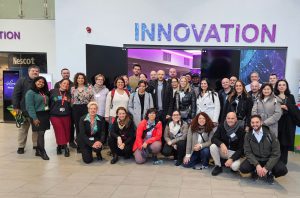
Delegates came from 16 countries

The seminar offered me the amazing opportunity to make new friends who I feel I can rely on to collaborate and improve my practice. I am still astounded by how much I learned from their innovative projects and ideas. Attending the seminar has equipped me with cutting-edge knowledge to empower my fellow teachers back home and my students alike.

I particularly appreciated the focus on AI literacy and social-emotional learning. We engaged in hands-on experiences with AI models and visited Yavneh College and NESCOT to witness their fantastic approach to integrating technology in the classroom. They opened their campuses and shared their experiences with the best disposition and kindness.

I encourage any fellow educator given a chance to attend the Hatter Technology Seminar to seize the opportunity with confidence. You will expand your network, broaden your vision, and experience one of the most vibrant cities in the world. You will be hosted by exceptional professionals who go above and beyond to plan and execute meaningful learning experiences while supporting you every step of the way.

The seminar is planned with an open heart, celebrating the richness of a multicultural experience. You’ll find yourself dining with fascinating people from around the world, feeling welcomed, valued, and inspired. I thank Dr. Jaim Weizman Institute for giving me this opportunity and World ORT for opening an exciting new path for my teaching career. I look forward to collaborating with my new colleagues.

As emerging technologies increasingly rely on artificial intelligence and as our students integrate these tools into their everyday lives, our most important task is to guide them to become critical and informed users of AI – embracing its potential for innovation while understanding the challenges and responsibilities that lie ahead.

The Hatter Technology Seminar is now a landmark in my professional development journey, pivotal in reshaping my perspective of education and instructional design.

Hatter Technology Seminar Delegates Embrace Responsible Use of AI

The 17th annual World ORT Hatter Technology Seminar in London tackled a sometimes-controversial topic: Generative AI.

The 25 educators attending the four-day event, which focuses on STEM training, came from ORT schools and affiliates in Argentina, Brazil, Peru, Colombia, Panama, Mexico, Costa Rica, South Africa, Singapore, Israel, Czech Republic, Bulgaria, Lithuania, Estonia, France, Italy and Spain.

Welcoming the delegates, Lady Irene Hatter, whose late husband Sir Maurice – former World ORT President – established the annual event, said: “World ORT is committed to making sure that the education we provide is always up to date and relevant. This year, the subject of the seminar is Generative AI. This is a vital subject and, I believe, this is part of our future.”

The controversy surrounding Gen AI includes fears that machines will replace people, that the technology is not accurate and that students will cheat. Concerns over emerging technology, argued some presenters and delegates, are not new. Participants remembered fears over the introduction of the calculator in the classroom, for example.

Rather, they said, the technology is here to stay and already being used by students, therefore educators must embrace it for their own use – it can help them to reduce their workload by producing or refining lesson plans, for example – and design policies in their institutions to ensure students develop critical thinking skills to use it safely and improve their outcomes.

Daniel Tysman, Head of World ORT’s Education Department, said: “There’s no doubt that currently the biggest talking point for schools worldwide is AI. The Hatter Seminars allow ORT schools to connect with leaders at the forefront of STEM education, and this year’s event gave delegates a huge boost in understanding AI and the impact that it will have on their schools.

“From developing strategy and designing policies, enhancing teaching and learning, performing mundane tasks, delegates were given lots of ideas of how to approach each task and above all how they and their students can get the best use from this technology in an ethical and responsible way.”

The annual seminar provides an opportunity for ORT’s professional educators from around the world to explore the latest developments in teaching and learning in the areas of STEM and take them back to their institutions and maintain a network of educators for peer support.

After presentations from educational experts in the field of AI, delegates visited Yavneh College in Borehamwood, where Assistant Headteacher Brandon Pieters gave a talk on practical uses of AI for teachers.

Later, at North East Surrey College of Technology, CEO Julie Kapsalis expressed her excitement at the opportunity for collaboration between World ORT and the institution. Somayyeh Clifton, the college’s Head of Quality Improvement & Innovation and an expert on AI for Education and Training, discussed harnessing chatbots for practical support in AI-driven teaching and learning and highlighted tools and pedagogical approaches, including a deep dive into NotebookLM. She then introduced the college’s innovative VR Learning Resource Centre and delegates had an opportunity to try it for themselves.

One participant said the seminar had “changed the way I perceive AI”, adding: “It will make a difference to how I teach it in the future. The students will have the advantage of what I have learnt here.”

Roger Guerrero, Co-ordinator of Innovative Technology and Education at the ORT-affiliated Colegio Hatikva in Barcelona, Spain, said: “I came to the seminar because I wanted to share experiences with colleagues from around the world and see how they are implementing AI in their schools and how to lead the transformation in education. We learnt not just about the tools and how we can implement them, but also how to use and grade personalized programs for students with special needs.

“ORT provides us with a lot of educational programs and we can participate in them with students from around the world. My personal networking and my school networking is growing every day. I am very grateful and thankful to be here.”

World ORT’s Learning Development Manager, Leor Harel, said: “The Hatter Seminar was a fantastic opportunity to bring a diverse group of professionals together to network, share good practice and further our knowledge on a prevalent theme within education today.”

Ghana STEM Students Celebrate Graduation

An ORT computer training course for children in Ghana has celebrated its latest cohort of graduates.

As part of their studies, youngsters use online learning programs including Duolingo, Coding for Kids and E-Learning for Kids. They are provided with access to tablets and introduced to graphic design, coding, 3D modelling and other STEM topics.

The program develops their potential through classroom training activities and workshops with professional local women who act as mentors. Former graduates in turn now train new teachers to lead sessions using the expert knowledge they gained through their own participation. This approach ensures sustainability and builds local capacity.

The program is a partnership between World ORT’s International Cooperation department, UNESCO, Anne Frank Fonds, private donors and local organizations. It combines a highly-successful STEM learning center with extra-curricular provisions for young people in the coastal town of Elmina.

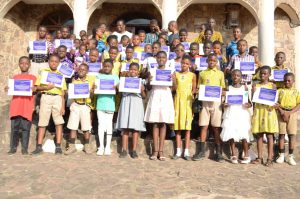
More than 500 students have so far graduated, with this week’s ceremony celebrating the seventh group of finishers.

Addressing the graduation ceremony, Celeste Scheib Gonzales, World ORT’s IC Director, said: “Today is truly an exceptional day to honor your accomplishments in STEM education. ORT is so proud to partner with Coconut Grove, UNESCO and Anne Frank Fonds as well as many individual donors in support of your personal growth and pursuit of excellence.

“I encourage you all to live your life with hope and courage. Thank you to our staff and teachers for making a difference in the lives of each and every student here today. Continue your journey and believe in the beauty of your dreams.”

The latest group of graduates

The program advances four UNESCO priorities – education in Africa, gender equality, developing countries and youth.

Graduates of previous years’ training have now formed a group known as RoboCode Ghana, to further promote robotic skills in the country. Instructors have attended STEM conferences in Ghana and joined ORT Day activities.

Mary said her STEM education on the program had provided “numerous benefits. It has enhanced my understanding of the world and the importance of stewardship. It has helped me to develop the ability to analyze problems, visualize solutions and develop innovative ideas that can positively impact society.

“It has opened doors to new opportunities such as providing a foundation for future learning and entrepreneurship. STEM has encouraged me to embrace challenges, learn from failures and develop a growth mindset, essential for success in any field.”

Ecology Summer School – A Hands-On Learning Experience in the Panama Rainforest

The 2024 World ORT Ecology Summer School has taken place in Panama. This regional summer school, which runs in Spanish, brings together ORT students from our Latin American and Spanish schools who are passionate about ecology.

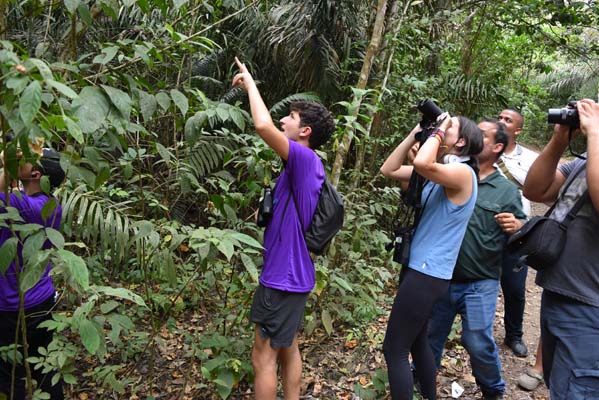
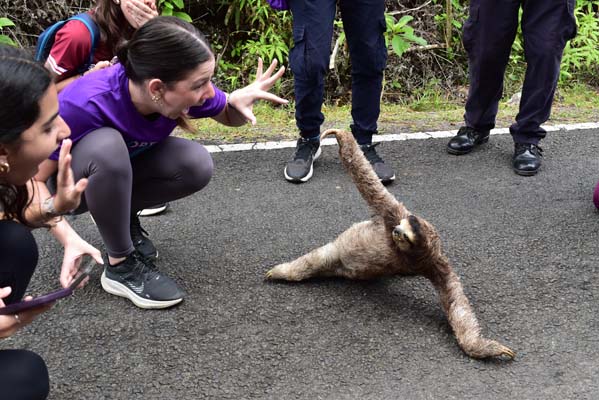
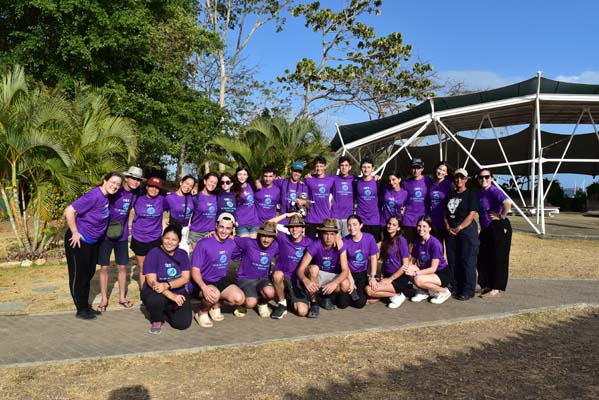
Twenty-one students aged 15-17 from Brazil, Colombia, Mexico, Panama, Peru, Spain, and Venezuela, along with ORT teachers Ximena Grandez Breña (Peru) and Tania Amilburu (Spain) spent two weeks in the Gamboa Rainforest in Soberania National Park, working with experts from the Smithsonian Tropical Research Institute and Adopta Bosque, a non-profit NGO promoting rainforest conservation, conducting scientific ecological research.

Guido Berguido, the founder of Adopta Bosque, along with his team of experts, Chelina Batista, Ana Portugal and Ryan Oniel, worked closely with the students and guided them through their hands-on and interactive, independent research study projects. The students immersed themselves in the rainforest and gained a firsthand experience of what it would be like to be a scientific researcher, collecting and analyzing data across a range of projects.

Daniel Tysman, Head of World ORT’s Education Department, summarized the trip and said: “Although they were only together for 12 days, these ORT students were quick to connect with each other and collaborated well on their research projects. They not only improved their scientific research skills, but gave expert presentations of their analysis of the data at the end of the process.

“We present them with the richness of the rainforests and encourage them to zoom in on the details. Through this process they develop a deeper understanding of the value of these incredibly complex but ultimately endangered ecosystems and their responsibility for conservation.”

Elias, aged 15, from Colegio ORT Olami in Mexico, said: “My highlight is the research that we did in the jungle. We spent three days, three hours a day in the jungle researching the information. I want to thank ORT for making this trip possible. It’s an amazing opportunity to meet new people and to learn a lot about mammals, birds, and plants.”

Dana, aged 15, from Colegio Moral y Luces ‘Herzl-Bialik’ in Venezuela, said her highlight was “when we went to the jungle in the middle of the night searching for bats and learning more about them”.


One of the unique aspects of this experience for the students was the opportunity to build bonds and form connections with peers from different countries, learning from each other and sharing their differences and similarities.

Karen, aged 16, from ORT Colegio Estrella Toledano in Madrid, Spain, said: “I have made a lot of connections with a lot of people here, but I would mostly have to highlight that we are all so different from each other, we talk differently, we have cultures and different tastes in music and food. Going on the buses to the different excursions, we saw a lot of that difference through music… I’ve learnt a lot of that from the people here.”

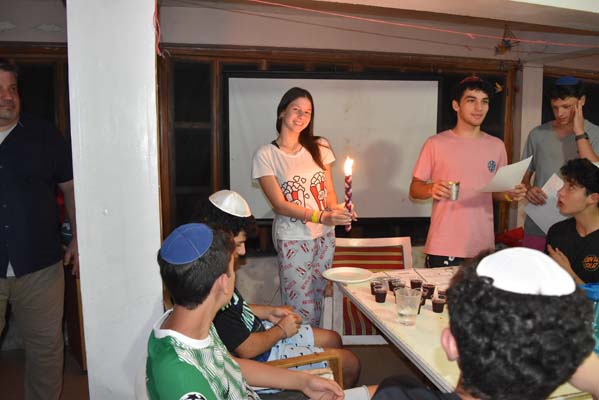
During the program the students experienced Shabbat – a great opportunity to see the connections they had formed. A mixture of students from different countries came together to lead a discussion session on Friday night, analyzing Jewish texts and concepts and engaging in a heart-warming Havdalah ceremony the following evening.

Ximena, an ORT teacher from Colegio Leon Pinelo, Peru, commented: “The Jewish community is very close to each other and help each other and experience everything together. Here I have seen even though we are from different countries, all students share the same Jewish culture and feeling. When we celebrated Shabbat everyone knew what they were talking about or most of them knew the songs and prayers, and all hugged each other. It was a very special moment for me as a teacher to experience and I feel very fortunate for that.”

Towards the end of the summer school, once the students had finished collecting their research and working together in the groups to analyze the findings, the students then presented their research projects to their peers and demonstrated their skills and learning from their experience.

The research projects included analyzing leaf-cutter ants with a group comparing the differences between the leaf-cutter ants in Pipeline Road and Sandero de la Laguna, analyzing if the ants prefer to carry branches and different types of leaves, seeds, and fruits between the two places. The second group researched lichen on trees and their relationship with the ants. This group compared three different sites and analyzed the percentage of ants in these places, specifically looking at the ant nests on the trees to see if there was a difference between the position of the nests.

The third group analyzed shrubs and plants, comparing the differences in height, width, composition of leaves, organisms inside the plants and plant colors between those close to water and those further away. The fourth group researched Azteca Ants, comparing the location of their nests on the trees. They were analyzing the quantity of nests, the height of the trees, looking at the relationship between other plants and animals, the shape of the nest, the position on the tree and the light and temperature around the environment. The final group researched the interaction between monkeys and the forest. They analyzed their eating habits, the monkeys’ relationships with other animals, their behavior and monkey group dynamics.

Galiana, aged 17, also from Venezuela, said: “After we did the investigation of finding each shrub in different areas and microhabitats, we found out they have different physical characteristics that identify them in their different areas. In the moist and in the dry areas we found out that the shrubs and bushes had differences in the quantity of their leaves and the health of them. We found out that if they are near to water, they have less damage in their leaves and if they are in a drier area, they’ll have more damage in their leaves. We also could identify their difference in height, and their difference in centimeter by diameter and we could also identify their differences in lichens, in fungus and in their color.”

Along with the high-level scientific concepts that the students were able to grasp and develop during their time on the program, they were also able to immerse themselves into the Panamanian culture and experience more of the country. When the students weren’t busy in the field they were also given the opportunity to explore the country and culture and the highlights of the trip included visiting the Panama Canal, meeting with the indigenous Embera-Wounaan tribe and learning about their culture, visiting historical sites of key importance such as Fort San Lorenzo and there were trips to Punta Culebra Nature Center where they learnt about marine life.

VIEW THE PHOTOS

WATCH THE YOUTUBE PLAYLIST

Watch the highlights

Ilan from Mexico, Ecology Summer School participant

Ximena, Teacher from Peru, Ecology Summer School