Israeli Robotics Team Win Special Award in International Competition in Houston

When judges at the 2026 FIRST International Robotics Championship in Houston realized no existing award fully captured what one Israeli team had achieved, they created a new one just for them.

The team, RoboActive #2096 from Darca Zinman High School in Dimona, Israel, who were trained in robotics by World ORT Kadima Mada, received the inaugural “Spreading STEM” Award after judges recognized their extraordinary efforts to expand science and technology education far and wide.

“This team has written a book on their widespread efforts to advance STEM all around them,” judges said, citing the team’s impact on approximately 25% of children in their hometown and educational outreach projects extending as far as Africa.

Held April 29 through May 2 at Houston’s George R. Brown Convention Center, the FIRST International Robotics Championship brings together thousands of top student robotics teams from around the world, including competitors from the United States, Canada, Brazil, Turkey, China, Australia, and Israel. Merely qualifying is considered a major achievement.

The 42 students from Dimona – a small desert city of roughly 35,000 residents in Israel’s Negev region – were supported by the Jewish Federation of Greater Houston and the official recognition carried particular significance.

Dimona was established in the late 1950s as one of Israel’s development towns, created largely for immigrant families arriving from North Africa and the Middle East. Decades later, it remains geographically and economically distant from Israel’s major technology centers.

However, 14 years ago, World ORT Kadima Mada – the Israeli arm of World ORT, one of the world’s largest Jewish educational organizations that operates across more than 30 countries – partnered with the Municipality of Dimona to create a citywide robotics and STEM education program spanning kindergarten through high school.

The initiative includes in-school and after-school programming, teacher training, competitions, mentoring, and community festivals designed to make science and engineering accessible across the city. Today, more than 260 robotics groups operate throughout Dimona, with roughly one in four children participating.
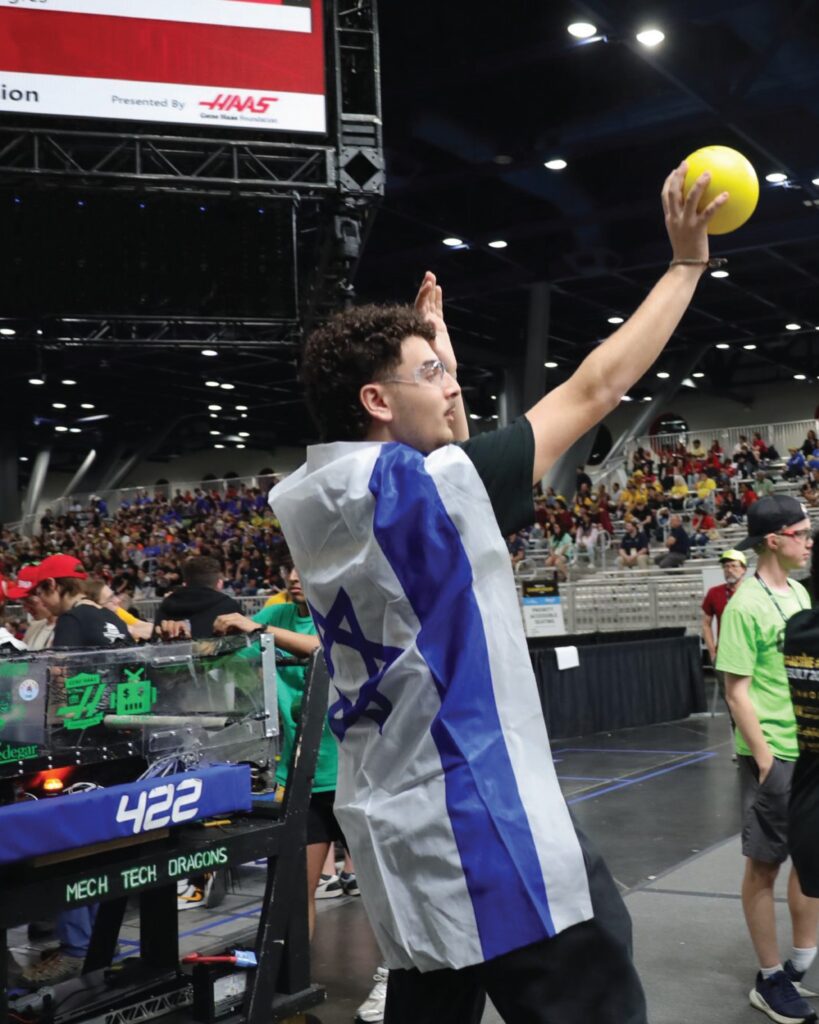
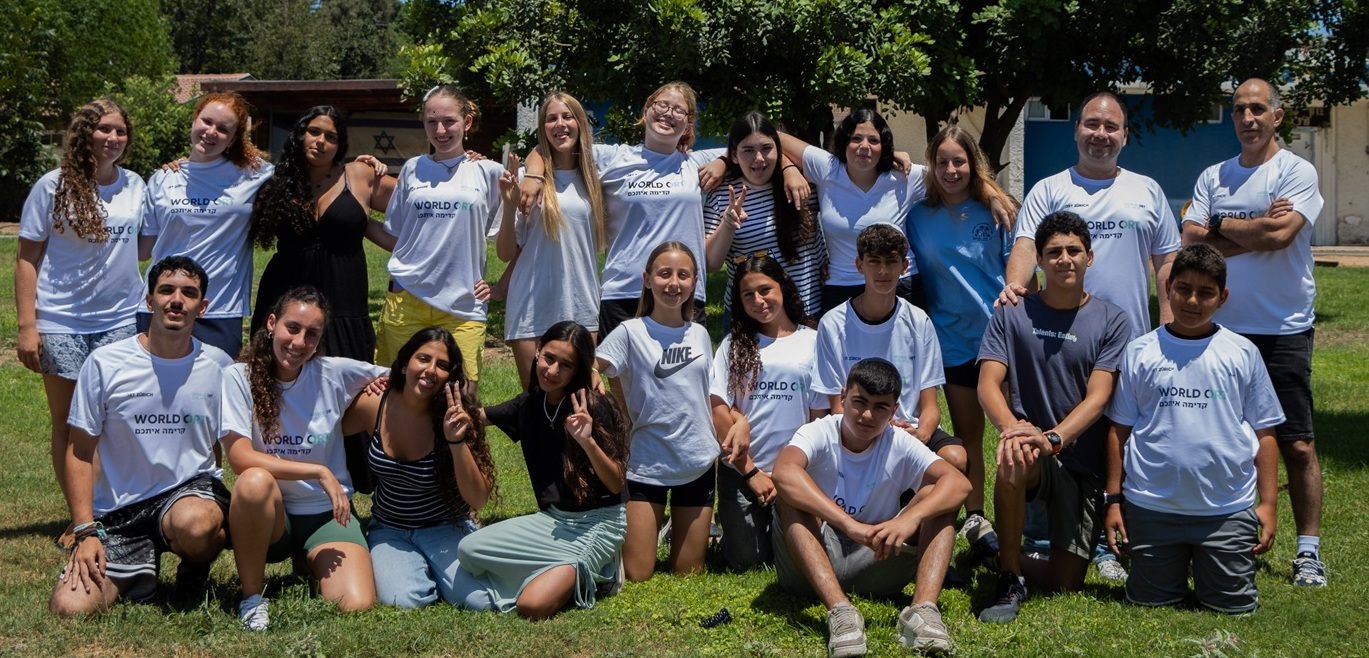
RoboActive #2096 team member Elad Dahan

“This achievement reflects not only the talent and dedication of these outstanding students, but the strength of a long-term educational ecosystem built together in the city,” said Dr. Moshe Leiba, World ORT Kadima Mada’s Deputy Director General and Chief Pedagogy Officer.

Many of the mentors who accompanied RoboActive #2096 to Houston are themselves alumni of the program and, as the judges in Houston noted, the team’s influence extends internationally. After team alumnus Natai Ladani visited a community center for street children in Malawi and discovered many students had never used scientific equipment, the team developed hands-on science kits, created a STEM curriculum, raised funding independently, and returned to Malawi to deliver the program in person.

“For us, the project became much more than teaching science,” said team captain Shira Darhi, 17. “It was about giving children an opportunity to believe their dreams could actually become possible.”

Team member Elad Dahan, 17, described the Houston recognition as deeply emotional. “Seeing the Israeli flag and our team’s achievements recognized on a global stage was a deeply moving and proud moment for all of us,” he said.

RoboActive #2096 is the only team in the competition’s history to win FIRST’s prestigious Engineering Inspiration Award over four consecutive years.

###

About World ORT

Founded in 1880, World ORT is one of the world’s most far reaching Jewish educational networks, serving 80,000 students and 200,000 beneficiaries annually across more than 30 countries on five continents, with headquarters in New York and offices in London and Israel. Find out more at www.ort.org

MEDIA CONTACT 

Alex Galbinski, World ORT 

[email protected] 

+44 (0) 20 7446 8502
‘Ecology Summer School Made Me Want to Study Biology’

World ORT students from Latin America and Spain took part in the education network’s highly regarded Ecology Summer School program in Panama, with many of them saying the event had transformed their perception of the discipline.

The 26 students, who have a passion for ecology and are aged 15 to 17, came from ORT or ORT-affiliated schools in Argentina, Brazil, Colombia, Spain, Mexico, Peru, and Venezuela for the 12-day regional Spanish speaking program. Running between 15 and 26 February 2026, the program involved intensive learning, work and cross-cultural friendship.

As in previous years of the annual World ORT program, the students worked with experts from the Smithsonian Tropical Research Institute, which is the world’s premier tropical biology research institute. It is dedicated to increasing the understanding of the past, present and future of tropical biodiversity and its relevance to human welfare.

The group stayed at the Soberanía Research Station and Lodge, located in the town of Gamboa, which is surrounded by the lush biodiversity of the Panamanian tropics. Wild animals, including ñeques – also known as agouti, a rodent native to Central and South America – roam freely around the lodge.

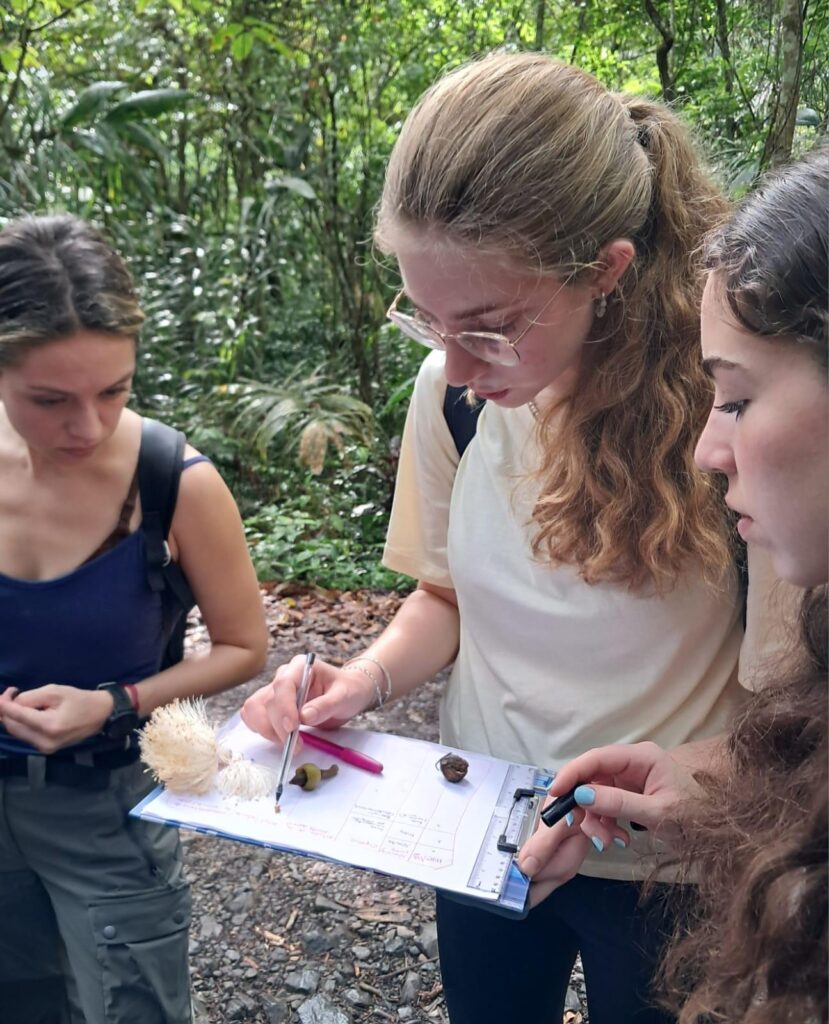
Students in the field collect data for their research projects

Field trips were taken around the Camino del Oleoducto, a historic road that winds through the rainforest within Soberanía National Park and the Plantation Trail, where the forest becomes denser and more humid, and the nearby Laguna Trail.

The students were guided by biologist Dr Chelina Batista, and discovered a wide variety of plants, interesting varieties of fungi, and animal species, such as woodpeckers, tree creepers, and tickbirds, as well as lizards, leafcutter ants (arrieras), coatis, marmoset monkeys, and the unmistakable howler monkeys. One particularly interesting moment was observing an alligator attempt to cross a street.

In the early days of the program, Chelina encouraged the students to formulate research questions as starting points for their own projects, and they worked on hypotheses, and designing their methodology. Fellow biologist Ana Portugal, meanwhile, discussed scientific methods with them, providing fundamental tools to guide and strengthen their research.

After analysis and guidance from the teachers, seven working groups were formed that investigated aspects of Panamanian biodiversity. These included comparison of the survival strategies of rainforest fungi, differences in the defense mechanisms of plants that grow in light and shade, effects of human activity on Panama’s fauna, and the effect of temperature on the activity levels of arrieras.

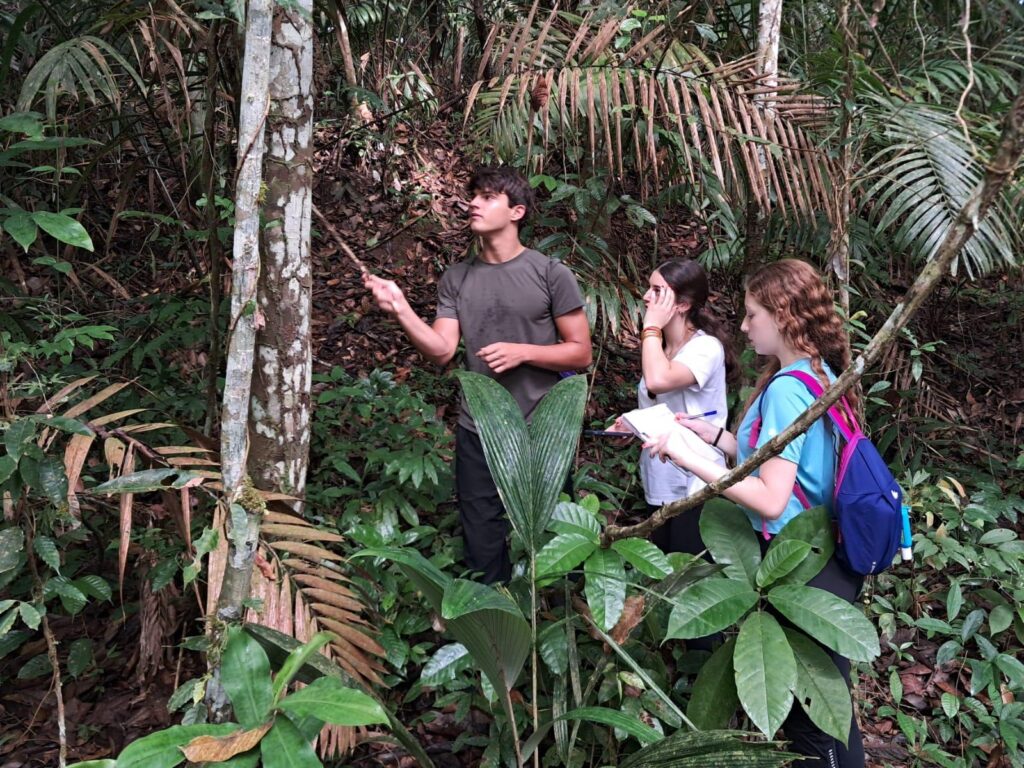
Students inspect a tree in the rainforest for their scientific study

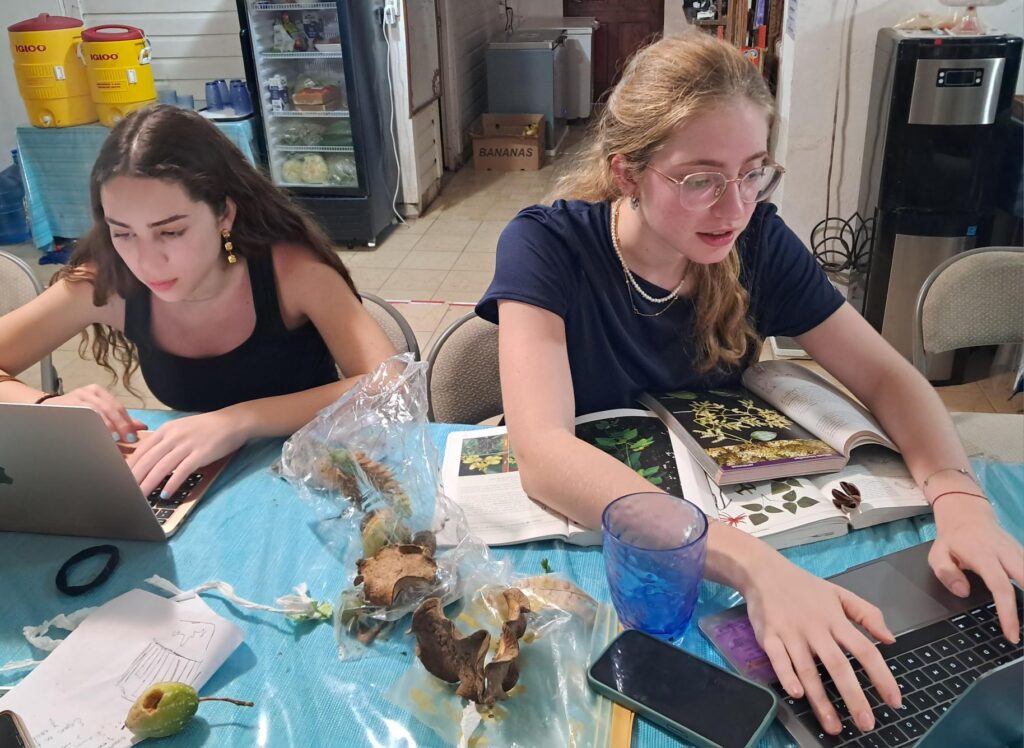
Over several days, students collected data from the Pipeline Trail, the Lagoon Trail, and the town of Gamboa, and evaluated their methodologies. Teachers reviewed the data and provided suggestions and guidance, and students adjusted their techniques over the following days: they measured more accurately, better organized their records, and worked with increasing autonomy, demonstrating confidence in their role as researchers. Their data, which consisted of measurements, field notes, drawings, and photographs, was supplemented through the consultation of books and field guides.

Sloth specialist Ryan Castro told students about his research on genetic variability in pygmy sloths, while researcher Daniel Jovane shared his bachelor’s thesis on the morphological and molecular analysis of macrofungi. Dania Hurtado gave a presentation on her research on the microplastics presence in of fish, and wildlife researcher Melquiades Castillo gave a demonstration on capturing and observing different species of bats.

The group traveled to Altos de Campana Biological Reserve in Campana, walking along the Podocarpus trail and enjoying the cloud forest, where they analyzed the differences between it and the other parks. Other trips included a boat journey along the Chagres River and the Gatún Lake, a visit to the old town, including Plaza de Francia, the Arco Chato, and City Hall.

They visited the Embera village, where they learnt about the customs and traditions of its indigenous community. At the Smithsonian’s Punta Culebra Nature Center, participants observed different species in the butterfly dome and saw a colorful variety of fish, anemones, and other organisms in the aquarium that coexist in coral reefs.

Back at the lodge, students continue their research by consulting books and other resources

But the students did not only learn about ecology. A major facet of the Summer School is the opportunity to meet and foster cross-cultural friendships with their peers from Jewish communities around the world.

Students enjoyed the country presentations, whereby each group shared cultural aspects of their place of origin, their customs, traditions, music, sports, characteristics of their schools, and even sweets.

Speaking after the event, student Valerie Pinto, from Spain, said: “These friendships will last forever, and this experience will last forever too in my mind and heart.”

A particularly memorable part of the program was observing Shabbat. Daniel Tysman, Head of World ORT’s Education Department, officiated over a meaningful ceremony during which he led a discussion about some teachings and dilemmas that generated great interest among the students. Ending Shabbat with Havdalah, some of the students explained the significance of the ceremony, while others recited the blessings over the candles and spices.

World ORT CEO Dov Ben-Shimon joined the group for part of their trip. He shared with the students his belief that passion is powerful, but skills change the world.

Speaking afterwards, he said: “Students came from across the southern hemisphere: diverse communities, different backgrounds, united by curiosity, seriousness of purpose, and a deep desire to understand what Jewish responsibility means in a changing world.

“Our ORT students are not interested in slogans or despair. They’re asking harder questions: What skills will we need? What kind of leaders must we become? How can Jewish values inform real-world solutions?”

The groups conducted their presentations in English, demonstrating solid collaborative work, confidence in expressing themselves, and careful preparation. Educators and experts described their presentations as “well-organized, clear, and engaging, adequately supporting the main ideas without overwhelming the audience; their coordination and commitment contributed to presentations that were both informative and dynamic”.

Student Karina Benaim from Venezuela said: “After finishing Summer School, ecological biology is definitely among my study options – it’s something that interests me a lot now.”

Brazilian Students Win YEP Prize With Solar Accessibility Initiative

Students from Escola ORT Brazil have won the 2025 World ORT Young Entrepreneurship Program (YEP) in the southern hemisphere.   

Their winning idea was the establishment of social enterprise Solar Access, which aims to improve the lives of people on low incomes by increasing energy accessibility.  The students’ pilot sought to provide 50 solar panels generating energy for 30 families.

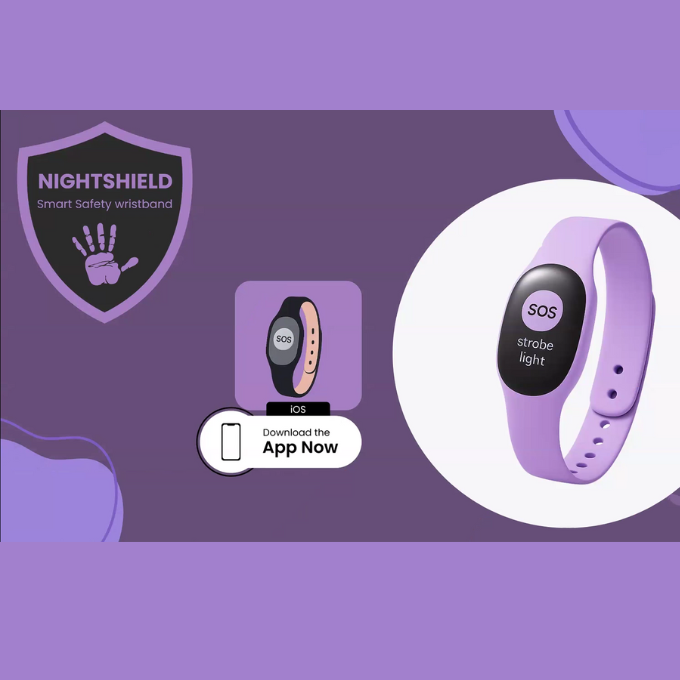
Students from King David School Linksfield, in South Africa, were the runners-up, with their design of a smart safety wristband that combats gender-based violence.

Nightshield, which has the tagline “empowering safety, everywhere”, was pitched as an affordable, rechargeable and life-saving device that would be of benefit in a country that has one of the highest rates of gender-based violence in the world. It features an SOS squeeze activator, glowing strobe light and automatic route tracker.

Students from seven schools in four countries – South Africa, Argentina, Brazil and Peru – took part in this year’s Southern Hemisphere program.

During the YEP competition – one of ORT’s flagship programs which helps students aged 15 to 17 learn decision-making, verbal communication, and critical thinking first-hand – teenagers are given the opportunity to design a product or service that addresses a social issue or a business need.

Over the nine-month course, students write detailed reports and present in front of expert judges. They begin with several ideas, narrow these down to one main business concept, and then develop it step by step – from market research and risk analysis to product specifications, business model, marketing strategy, prototype creation, creating a full business plan and pitch.

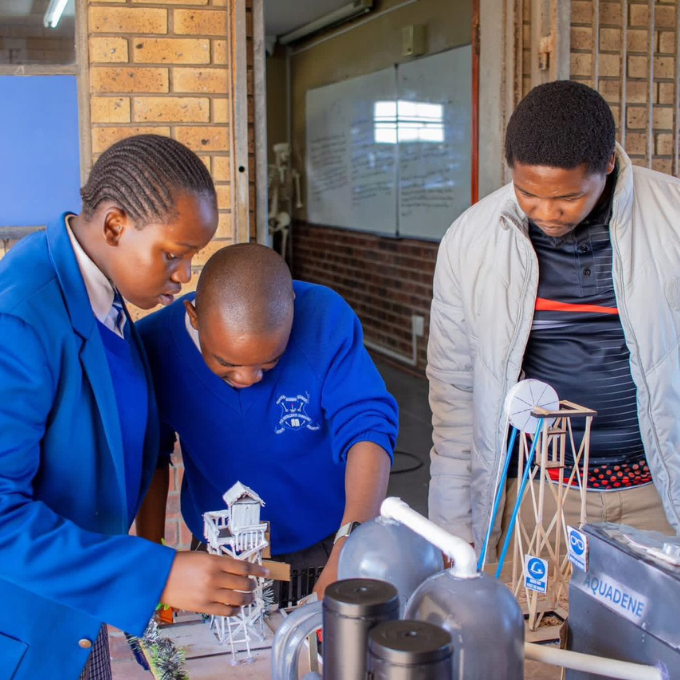
Students from Aquadene Secondary School
Aquadene Secondary School students work on their BioGreen Incorporation proposal

Students from Aquadene Secondary School in South Africa were awarded the highest score in this final round for their initiative, BioGreen Incorporation. Their aim was to turn greenhouse emissions into profit through converting methane and carbon dioxide from industry into dry ice, biomethane, oxygen and carbon credits.

World ORT CEO Dov Ben-Shimon told the teams: “You’ve gained knowledge, and you’ve learned new skills. But, most of all, we hope that you’ve developed an entrepreneurial mindset. 

“You’re the ones who will shape your future. You’re the ones who’ll take responsibility for yourselves and your – our – community and what we’ll look like. That’s building skills for life. Not only about making money, but helping people and creating jobs.

“You’ve had opportunities to make real decisions about your business, but you’ve also had to deal with setbacks or criticism and learn from mistakes – building your confidence and resilience. You’ve had to develop good time management, to manage schoolwork alongside entrepreneurial projects. And that balancing is all about who you’re going to be. I know that we all look forward to following your future success in the years to come.”

The four judges were Brad Kolar, who is the founder of Avail Advisors and works with organizations around the world to simplify problems, decisions, data, and communication; private investor and company director Christian Varin, who serves on several boards, including that of Banque Edmond de Rothschild in Paris; Sandra Merrill, a mind–body practitioner and leadership coach who helps people live more balanced and fulfilling , and Philippe Leopold Metzger, World ORT Vice-Chair and a former CEO of Piaget, who is currently a private equity investor in a number of start-ups.

Mr. Leopold Metzger is also the vice-president of ORT Switzerland, which is the proud sponsor of the YEP program.

ORT Students Commended for Making Sense of STEM

How can errors in maths lead to fatal design failures? Why is weight one of the most vital aspects of a Formula 1 car? Can you tell if your honey is pure by adding it to water? And is there really a way to biologically modify humans to create superhumans?

From translating theories about DNA and the benefits of using biomaterials to sharing how to make a pinhole camera and understanding what silence really is, students at ORT schools globally have impressed judges in this year’s World ORT STEM Communication Award with their straightforward explanation of complex scientific information.

The students, who have a passion for science, technology, engineering or math (STEM) and could enter individually or as a pair, were judged on their engagement, quality of information, topic selection and creativity.

There were dozens of entries in two categories, 14- to 16-year-olds and 17- to 19-year-olds. Entries came from ORT schools in countries including Argentina, Brazil, France, Bulgaria, Mexico, Italy, Kyrgyzstan, Panama, Peru, and Ukraine. The winning students came from four countries: Argentina, Brazil, Bulgaria and Kyrgyzstan.

Entrants had to film themselves, in a five to ten-minute video, conveying their understanding of a STEM concept or their ability to clearly explain, to a non-specialist audience, a complex current issue related to this field. 

Sofia in her video STEM is the Blueprint explains how STEM calculations are crucial for product design

As well as providing the opportunity for students to develop experience of deeper scientific research, the World ORT STEM Communication Award nurtures the development of softer skills, such as teamwork, problem-solving, creative thinking and public speaking among its students.

Pupils from ORT Argentina were awarded first, second and third place in the 17-19 age category as well as being the runners-up.

In first place was Sofía, with the video titled STEM is the Blueprint, while in second place came Alon with his video You Know Aerodynamics? Every Pilot Learned This Wrong.

Sofía said: “I chose the topic because next year I want to study architecture and in our daily life we overlook many things or feel comfortable about things we don’t even analyze – like the height of a chair, table, bed, and so on.

“I developed several skills beyond the topic of the video, which is a communication competition. It was a lot of work; I had to do a lot of editing, and writing a script in English was also a challenge, so winning was a great reward for all the effort behind it and for working on a topic I like so much.

“It’s great ORT does this – motivating us to develop our interests and allowing us to continue exploring something we like so much outside the classroom.”

In third place were Solana and Violeta, the duo behind the video titled The curiosity killed the cat… or not?, while runner-up Ignacio submitted Are we consuming experiences… or consuming addictions?

Alon won second place in the 17-19 age category with his video You Know Aerodynamics? Every Pilot Learned This Wrong

Pupils from ORT Argentina also won first and second place in the 14-16 age category; Julia and Sofía with their video, Every Screw Counts: Anatomy Of An F1 Car, and Luana and Maga with Biomaterials, respectively.

Sofía said: “We chose this topic mainly because we both really liked motorsports and aerodynamics. For me, this wasn’t a school project – it was more for fun because I didn’t feel the pressure for it to turn out perfectly; it was something to enjoy.”

Julia said: “It’s very common for ORT to do this [encourage students to participate in activities like this], and it was great to have the opportunity to combine our tracks and talk about topics we like.”

In joint second place was Emanuela from Dimcho Debelianov ORT Jewish School in Bulgaria, with her video, Honey: A Blend of Nature and Science.

In joint third place were four sets of students from ORT Argentina: Ada with her video Decode Life: CRISPR, DNA and the Next Scientific Revolution, Flor and Mathias with The Universe Fits in a Box, Ruby and Sophie with The Science of Silence and Dora from Escola ORT Brazil with Let’s Make A Pinhole Camera.

Students from ORT Argentina and Pri Etz Chaim Semi-Private Jewish School in Kyrgyzstan were runners-up: Julieta with her video Are you really hungry or you just want to eat? and Egor with Optical Remote Control System for Machinery, respectively.

A total of $1,500 prize money was awarded to entrants.

Julia and Sofía came first in the 14-16 age category with their video, Every Screw Counts: Anatomy Of An F1 Car

World ORT’s Head of Education, Daniel Tysman, said: “These awards challenge ORT students to dig deeper, to find new and creative ways to communicate their own understanding of STEM topics to others.

“We received many high-quality entries, from students with remarkable communication skills, who inspired us and, we hope, will encourage other students to showcase their talents to a global audience by entering this competition next year.”

Click here for a list of winners and links to their videos.

Harmatz Award 2025: Putting into Action the Ideas of Tikkun Olam

A smart glove and walking stick equipped with sensors to assist visually-impaired people, the hosting of a regular staff and teacher appreciation event and the preservation of the memory of the Holocaust are among the projects for which ORT students have been recognized in their efforts to improve the world.

Seven projects that were deemed to have made an outstanding contribution to Tikkun Olam – our shared responsibility to heal, repair and transform the world – have won the World ORT Gina and Joseph Harmatz Award out of a record 18 entries.

Ten entries were submitted by students from Escola ORT in Brazil; two by students from Scuola della Comunità Ebraica di Milano in Italy; two by students from Moscow ORT School #1540 in Russia; and one from students in each of ORT “Mishpahteinu” School in Kazan, Russia; ORT “Gesher” School in Samara, Russia; Colegio Olamí ORT in Mexico; and Colegio Isaac Rabin in Panama.

In a competition first, all four entries from Russia won the award.

Smart Glove and Smart Walking Stick, conceived by students from Escola ORT, is a glove equipped with ultrasonic and color sensors, activated by voice command, to assist visually-impaired people to navigate indoors. A smart walking stick was also envisioned, equipped with proximity sensors to assist visually-impaired individuals in open urban environments.

The students said: “One of our team members was inspired by a conversation with his father, a coach for Paralympic athletes. His father described the daily challenges faced by the visually-impaired, sparking a deep desire to create a practical solution that could improve their quality of life.”

Toys from the Heart was conceived by Vika, a 10th grade student at Moscow ORT School #1540, who works with children in an orphanage. Many of them struggle with emotional expression, so Vika invites them to draw characters and describe their traits. She then crochets toys based on their drawings, helping them to express their feelings in a safe and creative way.

“When I see a child smile after receiving a toy, I realize we haven’t just created a toy – we have helped them feel important and heard,” explained Vika.

The Memory Through Fates project by students at ORT “Mishpahteinu” School aims to preserve the memory of the Holocaust not only through storytelling but also deeper historical analysis and reflection via archives and the taking of testimonies.

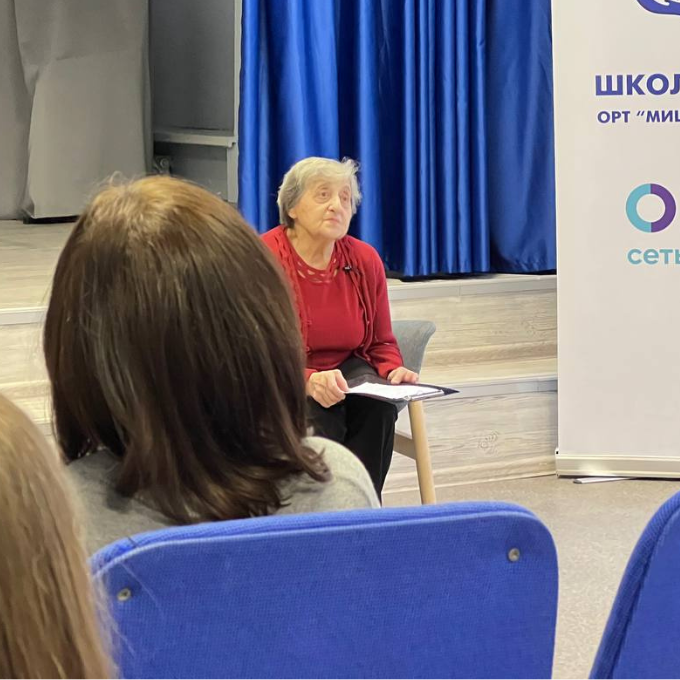
A speaker for the Memory Through Fates project

Student Elizaveta said: “My family met Rakhil Peretsevna Arleevskaya, who told us how her father, Perets Arleevskiy, saved his family along with 66 orphans in July 1941.

“We couldn’t find any information about him at Yad Vashem and we realized there were many such stories that could be forgotten. So we decided to create a project that would help preserve memories and explore the fates of people affected by the Holocaust.

“The project has allowed participants to see the human stories behind the numbers.”

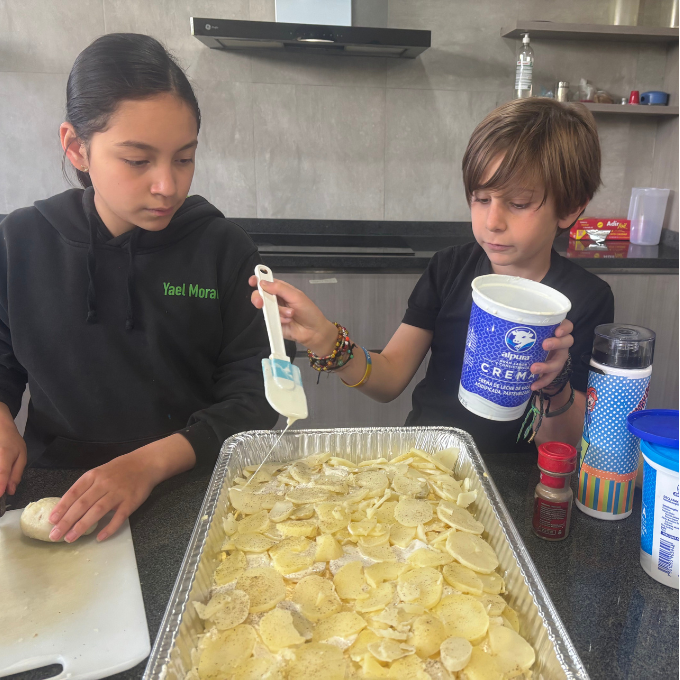
The Toda Le’Kulam (Thank You Everyone) project by students from Colegio Olamí ORT, Mexico, gives thanks to school staff in various departments in recognition of their hard work and contribution.

Once a month, on Friday afternoons, elementary students, along with a teacher and student leaders, prepare and cook a lunch, have a Kabbalat Shabbat and social activities with staff groups.

“Our role is to plan the meals and activities, prepare, cook, share and clean after the event,” the students said.

Students make food for teachers
Students make food for teachers in the Toda Le’Kulam project

Students from Moscow ORT School #1540 were behind the Culinary Connection project, which brings together generations through cooking traditional Jewish dishes. Students host workshops with elderly people from chesed organizations and deliver meals to those who are housebound.

“Many elderly people face social isolation, especially those who live alone or have mobility issues. In large cities like Moscow, this issue is particularly noticeable as older individuals often find themselves cut off from society and lose connections with others,” students explained. 

“The students realized how important it is to build connections between generations and how this helps to combat loneliness. What began as a simple cooking activity has grown into a meaningful experience for everyone involved – a chance to talk, share stories, and truly understand each other.”

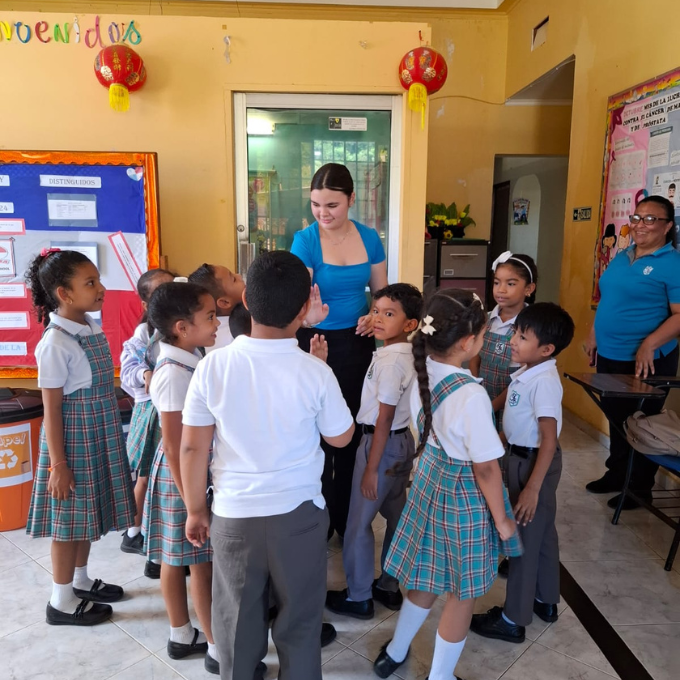
Eva, a student at Colegio Isaac Rabin in Panama, conceived the Recycling Talks project, for which she donated four recycling bins (organic, plastic, glass, and paper) to a school in the coastal town of Veracruz, where ocean pollution is a significant threat.

“I explained to preschool and first graders how to use the bins and why recycling matters, especially near the sea. I wanted to help protect our beaches and marine life. The children were  so engaged, and teachers said they would keep using the bins, so the impact keeps going.”

Eva discusses the benefits of recycling with children
Colegio Isaac Rabin student Eva discusses the benefits of recycling with children

Students from ORT “Gesher” School participated in the Volunteer Squad project, supporting the preservation of Jewish culture and traditions. 

They organized national holidays in their school, participated in ORT programs, and helped in chesed centres. “We maintain connections between generations. We consider it important to preserve national customs, culture, languages, and traditions of our peoples,” they explained. “We pass on our knowledge to younger children and promote our idea to the masses.”

Some of the students credited the ORT network with being able to participate in the projects.

“Being part of the ORT network was essential to everything we achieved,” said the students behind the Smart Glove and Smart Walking Stick project. “ORT provided us with tools, structure, support, and guidance that made the project possible and enjoyable. The learning environment and teacher guidance helped us apply our knowledge in a practical and concrete way.”

Jim Lodge, CEO of World ORT, said: “We were thrilled with the excellence and breadth of entries to this year’s World ORT Gina and Joseph Harmatz Award.

“They showcase the concern and desire of our students to improve the lives of others in a practical way. We are incredibly proud of our students, who truly embody the values ORT holds dear.”

Prizes are awarded in memory of the late Gina and Joseph Harmatz, who played crucial roles in ORT’s history. 

Joseph Harmatz was Director-General and CEO of World ORT in the 1980s and 1990s. Formerly a partisan, he was regarded as a hero of Lithuania’s Jewish resistance against the Nazis, while Gina Harmatz escaped Nazi persecution in western Europe in the 1930s and 1940s before settling in Israel. She was well-known for her graciousness and the importance she placed on family relationships along with concern for the welfare of others.

To view videos of the students’ projects, click here

Israeli Toy Dog Therapy Used to Alleviate Ukrainian Students’ War Trauma

A special therapy is being used with great success to support traumatized children in an ORT school in Ukraine.

The Hibuki therapy program, a psychological initiative that was developed in Israel, was introduced last year at the Odesa ORT Zhabotinski Lyceum #94 to support the mental health and emotional wellbeing of students.

The program, for children in grades two to six (ages eight to 11), began in the last academic year with introductory group sessions. Designed to help children cope with stress, anxiety, and emotional challenges, it was followed up by small-group trainings, and individual consultations.

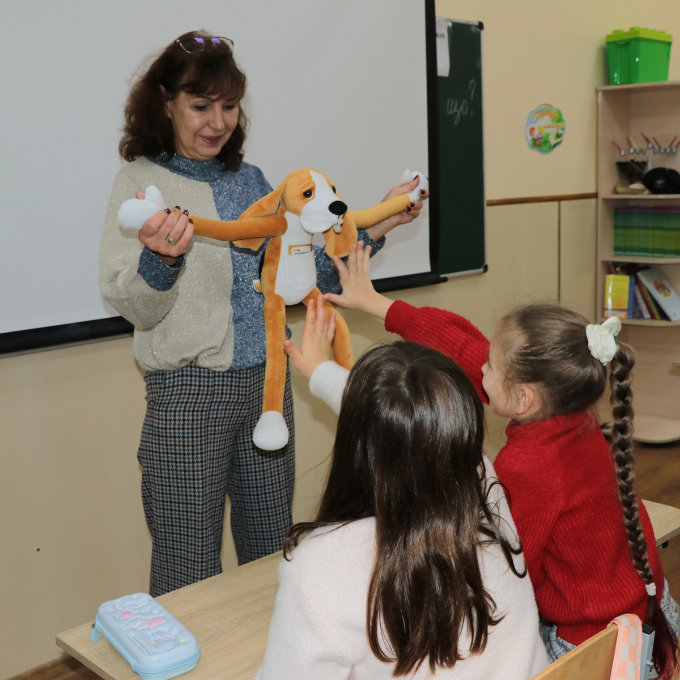
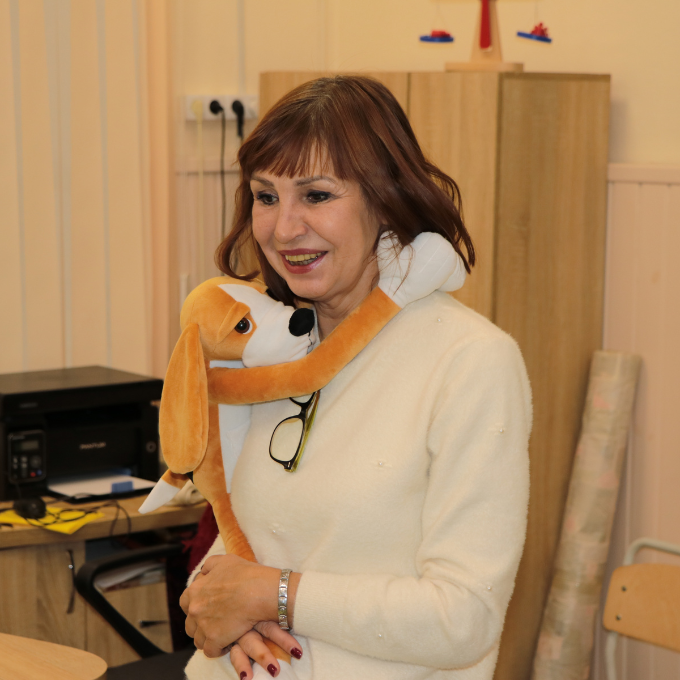
Hibuki is derived from the Hebrew hibuk, meaning ‘hug’ and involves the use of a plush therapy toy in the form of a dog with mournful eyes, a sad face, and long arms that can be wrapped around a child. Trained professionals encourage their young patients to process their own distress and fears by projecting them onto the toy. They then care for the toy, thereby also caring for themselves. 

Priority areas for intervention were identified based on evaluations by the school’s certified Hibuki trainer Tatyana Protasova and the school psychologist Liliia Danylevych.

Children shared their feelings in a safe environment and learned how to express themselves openly. Using the Hibuki therapy dogs, they role-played and treated the dolls as trusted friends. Together with the trainer, they practiced simple breathing and relaxation techniques to calm themselves when feeling anxious.

The sessions also included games and group activities that fostered teamwork and mutual support. Children often spoke about everyday challenges at school or at home, drew pictures, and created stories with Hibuki. These activities helped them to better understand and communicate their emotions and left them with increased confidence and practical coping skills.

Ms Protasova, who is also a maths teacher and has a background in psychology, explained: “During the war, it is especially important to give children back their childhood. It is important to help them release the tension and stress that build up from the fear of explosions, air raid sirens, and lack of sleep.

“These hugs [with Hibuki] are priceless in times of war. Children love to hug, and they love to hug Hibuki, and even make their Hibuki dolls hug each other. Through this, they learn to express their feelings and relieve tension.”

A teacher shows children the Hibuki doll in the form of a dog
Teacher Tatyana Protasova shows children the Hibuki doll

Feedback from students and parents has been overwhelmingly positive, highlighting the program’s effectiveness in improving emotional resilience and wellbeing.

One mother, whose children are in grades six and four, said: “I want to say thank you from the bottom of my heart for the Hibuki therapy.

“My children’s father was killed in the war. It was the hardest moment in our lives, and I didn’t know how to help them with their pain. The Hibuki therapy sessions gave them a place in which to speak about their feelings and not feel alone.

“I saw how carefully and kindly the specialist supported them and, little by little, they started to smile again.”

School principal Larisa Fainshtein said: “Our students face anxiety, uncertainty, and fear for their loved ones every day. This inevitably leaves a deep mark on their emotional state and affects their learning, communication, and development.

“In such circumstances, our task is not only to provide quality education, but also to create a space of care, security, and recovery. This is where the Hibuki group becomes especially important. ‘Hibuki’ is not only about psychological assistance; it is also a way to make learning more humane, modern, and focused on the needs of the child.”

Teacher Tatyana Protasova demonstrates the Hibuki doll therapy

In June, Ms Protasova’s house in Odesa was severely damaged in an attack, and her car was also destroyed. World ORT provided her with financial support through the organization’s emergency campaign.

The Hibuki therapy is also being used in the special needs resource center at two ORT schools in Kyiv and at the ORT-affiliated school in Bila Tserkva. The therapy doll was invented during the 2006 Second Lebanon War.

In the past decade, it is believed to have helped around 150,000 children in Israel and worldwide during conflicts and mass disasters, including tsunamis in Japan and earthquakes in Turkey. It has also been used to treat children in Israel in the aftermath of the October 7 attacks.

It was introduced in Ukraine in 2023, and the dolls have since been used by around 20,000 Ukrainian children suffering from psychological distress. 

The funding of the Hibuki therapy in Odesa was made possible thanks to donations from the Associated Jewish Federation of Baltimore. The US city is Odesa’s sister city; the partnership was established in 1974 and promotes mutual cooperation between the two metropolises.

Summer Camp Provides Healing and Hope for War-Impacted Youth

A group of 20 Israeli teenagers affected by war have experienced a life-changing summer camp at World ORT’s Kfar Silver Youth Village, the Ronson Campus.

Designed specifically to help the students – aged 13 to 15 – deal with the trauma of the ongoing situation, the 10-day program provided a safe space for emotional healing, resilience building, and positive memory creation.

The camp – organized by World ORT Kadima Mada – took place thanks to the generous support of ORT Zurich donors, with 15 girls and five boys from across Israel having the opportunity to step away from their daily routines to engage in therapeutic activities, educational programs, and outdoor adventures. The students were selected due to their personal circumstances and the levels of trauma they have faced.

Albert Herz, President of ORT Zurich, attended the graduation ceremony with the children and their parents.

Liraz, one of the participants, described the transformation she experienced at Kfar Silver: “When I arrived at the camp I was the girl at the table alone at breakfast, sitting on the sidelines… without knowing anyone, just with hopes to meet someone, to make a friend.  

“During these nine days in the camp I met two friends, but more importantly I got to know myself.  I discovered traits that I had never seen in me and faced challenges that I had never previously been able to deal with.

“I realized I am capable and can handle anything that I set my mind to, and even if I don’t fit in with everyone, I fit with myself and that’s what’s important and what matters.  

“I stayed true to my principles and values the whole way. I focused on me and what makes me feel good. I left with life skills – it is one of the best things that I have ever done for myself.”

The program combined educational, cultural, physical, and social activities, all intentionally crafted to nurture resilience and foster a strong sense of identity.

Participants engaged in team-building exercises, self-defense training, cooperative games, and problem-solving activities that enhanced adaptability and persistence.

Physical wellness played a crucial role, with regular swimming sessions and exercise providing outlets for stress while supporting both mental and physical health. Cultural excursions deepened the experience, including visits to the Jewish Sports Museum in Ramat Gan and an immersive learning trip to Jerusalem.

A communal Shabbat dinner served as a pivotal moment, embodying community, tradition, and mutual support. This shared experience reinforced the students’ connection to something larger than themselves – a vital message for young people facing instability.

The camp concluded with a ceremony celebrating each child’s personal growth.

Dr. Moshe Leiba, Chief Pedagogy and R&D Officer at World ORT Kadima Mada in Israel, said: “This camp was more than a break from the challenges of the year, it was a safe space for our youth to heal, to rediscover joy, and to strengthen the bonds that will support them long after the summer ends. Watching their resilience grow through shared experiences has been deeply inspiring.

“We extend our heartfelt thanks to the generous sponsors whose support made this meaningful experience possible. Your commitment and care have given these young people not only moments of joy, but also the tools and confidence to move forward with hope. Thank you.”

Digital Skills Academy Empowers Young Minds with Skills, Confidence and Lasting Friendships

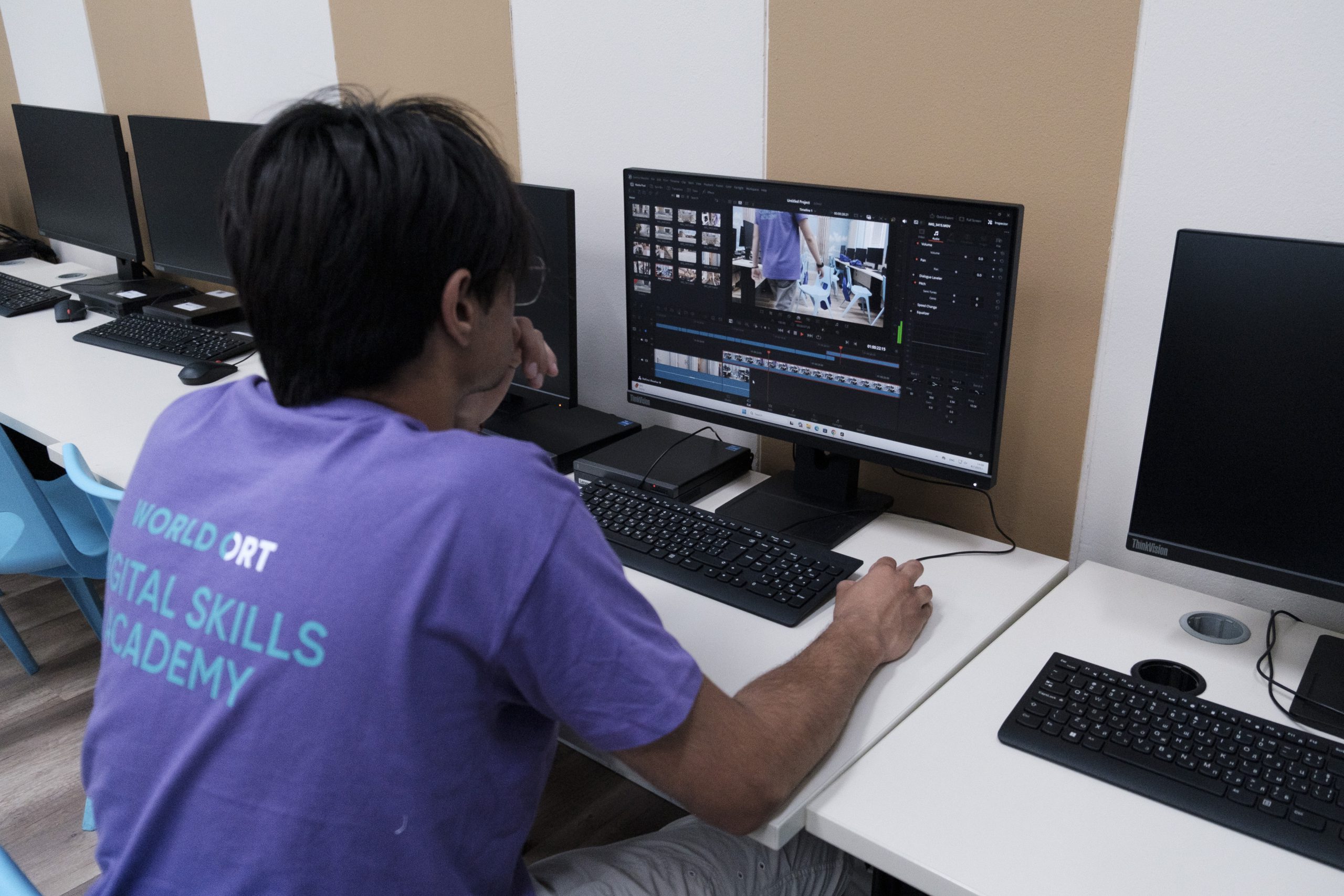
Days after meeting for the first time, laughter and song echoed through a lively karaoke party, as high school students from across Europe and Israel quickly bonded at the World ORT Digital Skills Academy (DSA) in Sofia, Bulgaria.

Over the course of two action-packed weeks, the Academy provided 25 students from 14 ORT schools in nine countries with a unique blend of technical learning, cultural enrichment and personal growth – all wrapped in a spirit of friendship and discovery.

A Warm Welcome and Fast Friendships

Students, supported by a team of madrichim, dived into ice-breaking games and settled into their new home in Sofia in the opening hours of this life-changing summer program.

The group quickly felt at ease with the support of a dedicated team of professional staff from World ORT and ORT Bulgaria who encouraged them to make the most of the experience ahead.

Then it was time to get hands-on: half the group explored digital photography with a professional photographer, while the others dived into video production with digital media experts.

Behind the Scenes of Global Creativity

Students experienced inspiring excursions in the Academy’s first week. A visit to Bulgaria’s renowned Nu Boyana Film Studios gave them rare access to working film sets where they filmed and took photographs amidst blockbuster backdrops. They also had the opportunity to visit Disney’s regional headquarters in Sofia, where they learned how departments such as legal, marketing, and creative teams collaborate on Disney, STAR, and National Geographic content.

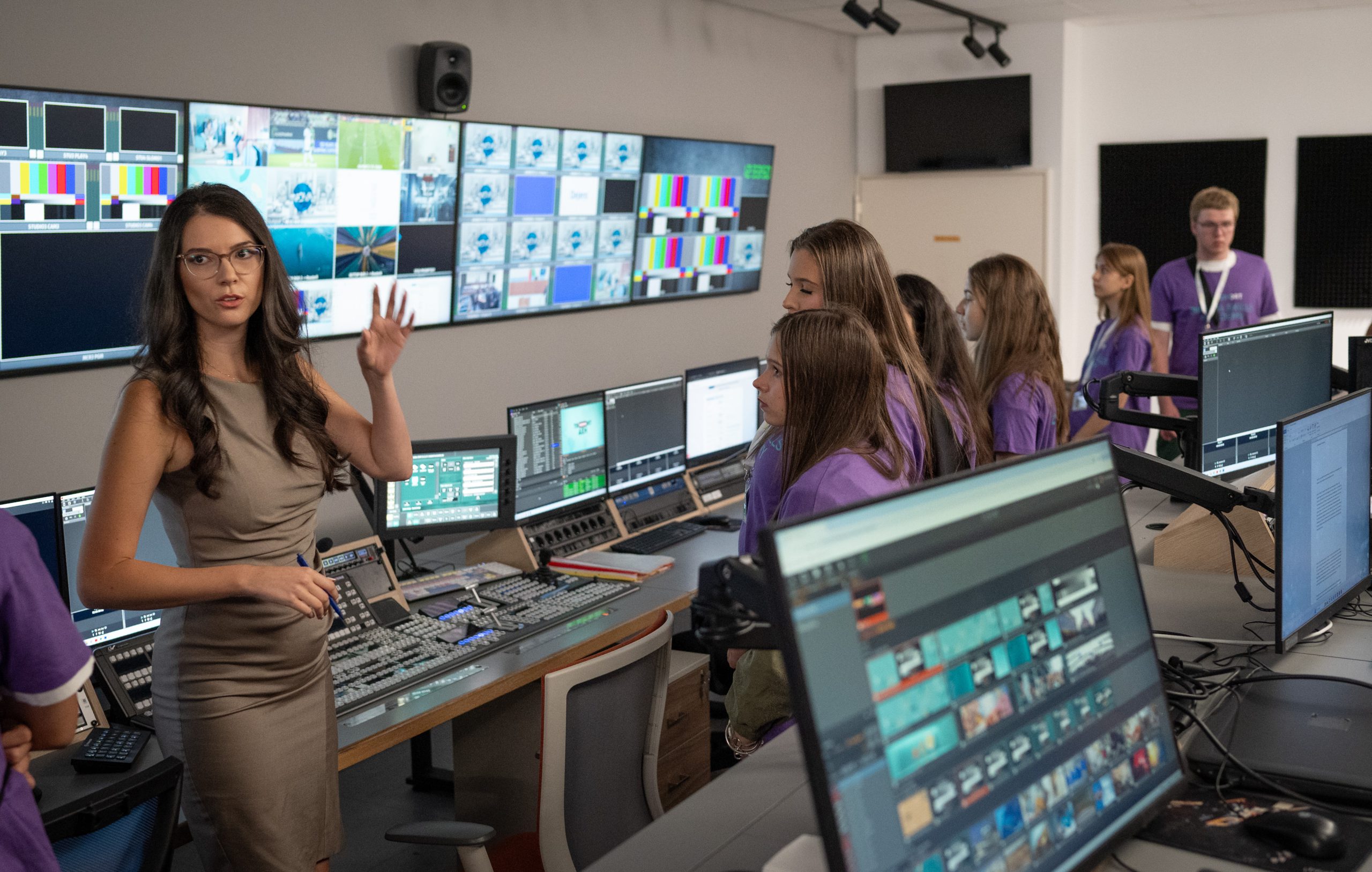
Another highlight was the trip to NOVA TV, one of Bulgaria’s leading television networks. Students sat in on a live news broadcast, toured the studios, and met Bulgaria’s most popular weatherman. It was an eye-opening glimpse into media careers and the skills behind the screens.

Workshops, Reflection and Cultural Immersion

Students spent their days building skills through workshops in video editing, photography, podcasting and Photoshop. Each evening they reflected on the day’s highs and challenges, reinforcing the importance of self-awareness and growth.


ORT student Miglė, from Vilnius in Lithuania, said: “I have always wanted to be involved in cinema and after seeing everyone here work with such passion and creativity I realised that it is what I really want to do. I want to work with people who share the same passion and now I will do everything to continue working with confidence in video production.”

At the end of the first week the group explored Sofia’s rich Jewish heritage with a visit to the city’s historic synagogue. Shabbat offered a welcome pause. At a kosher restaurant close to the ORT No. 134 “Dimcho Debelianov” Jewish School, the group shared Kiddush and traditional food, creating a warm and inclusive atmosphere. A walking tour of Sofia’s landmarks, including the Square of Tolerance and the Roman ruins of Serdica, ended with group games and laughter at the National Theatre.

From Sofia to Kyustendil: A Journey of Discovery

For the Academy’s second week the group travelled to Kyustendil in south-western Bulgaria, in a picturesque setting near the Osogovo mountains. A trip to a nearby sequoia forest showcased the creative power of the natural world and provided stunning scenery for long-exposure activities.

The final days saw a flurry of collaboration and creativity. Students filmed five-minute short movies based on imaginative prompts such as “The Lost Key” and “Wrong Room”, edited their final photo collections, and prepared for the much-anticipated exhibition and talent show. A special celebration included traditional Bulgarian folk dancing, a disco, and birthday cake for one student.

Elizaveta, an ORT student from Moldova, said her experience at the Academy was overwhelmingly positive.

“I think the most valuable part of this program is the people who worked here and the people who came here. This event will stay with me forever and will remain in my heart as a warm memory.

“I would definitely recommend this program to other people interested in photography because through it, you can truly understand if you like photography, meet amazing people, visit incredible places, and just spend two weeks of your summer productively.”

On the Academy’s final day, students completed their projects under time pressure but with enthusiasm and teamwork. The photo exhibition was hung, videos were rendered, and skits were rehearsed. As the end approached, excitement gave way to nostalgia.

One last ceremony showcased the group’s best work to an audience of special guests, including Israel’s Ambassador to Bulgaria together with the Cultural and Scientific Attaché, plus the Mayor of Kyustendil. It closed a chapter filled with unforgettable experiences and friendships that will endure far beyond Bulgaria.

Leor Harel, World ORT Learning Development Manager, said: “It was inspiring to see students given the opportunity to learn from industry professionals and gain a comprehensive understanding of the skills and knowledge needed to succeed and thrive in media and the creative industries.

“This unique experience enables students to develop critical skills, step outside their comfort zones, and connect with like-minded peers from across the ORT Network.”

International Recognition for Ukrainian ORT Students’ Innovations

ORT students in Ukraine have been recognized with international awards for inventing devices aimed at helping citizens affected by war.

One design is a bracelet that recognizes potential threats for people with hearing problems. Another is a mobile app that aims to relieve psycho-emotional stress in children as young as six. Both projects won the students platinum awards at an international competition.

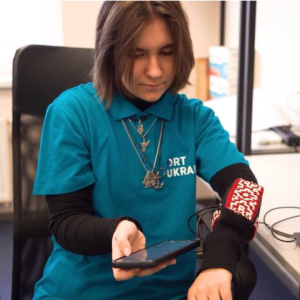
Viktoriia, 16, a pupil at Lyceum #141 “ORT” Kyiv, designed SoundAid, a smart bracelet that recognizes the name of the person wearing it as well as dangerous signals, such as car horns, sirens, and screams. If a potential threat is detected, the bracelet vibrates to alert the wearer to take care.

Viktoriia demonstrates her SoundAid bracelet

Viktoriia demonstrates her SoundAid bracelet

Her project won a platinum award at the world final of Infomatrix 2025, an international computer project competition held in Bucharest, Romania, in May.

Viktoriia, who was assisted by technology teacher Maksym Koroliov and headteacher Olha Rybak, learned about the problems of people with hearing impairments  and, after talking to the Ukrainian Society of the Deaf, discovered that there were few devices to support them.

“My goal was to create an affordable and accessible device for people with hearing impairments,” Viktoriia explained. “Other target audiences were added, such as parents with young children and people who often wear headphones, but the device is still planned to be accessible to everyone.”

Meanwhile, 15-year-olds David and Alisa, also students at Lyceum #141 “ORT” Kyiv, won a platinum award for their project Quiet Heart, which aims to relieve some of the stress connected with the Ukraine war experienced by children aged six to nine and their teachers. These stressors include concern over the fate of relatives in the army, air raids, and loud noises.

David and Alisa designed the Quiet Heart app

David and Alisa designed the Quiet Heart app

Their schoolmates, Dmytro and Nazar, 14, who formed the ORT-2 team, won a silver medal for their entry in the Lego Sumo Robot category of the Infomatrix competition: a robot assembled and programmed on the EV3 controller.

ORT Ukraine provided the school in Kyiv with all the necessary equipment and all teachers of STEM subjects receive a salary supplement, supported by World ORT. The organization also partially covered the expenses of students and teachers to participate in the final of the world competition in Bucharest, as well as the round-trip travel.

Thanks again to the support of World ORT, ORT Ukraine was able to equip the school’s shelter with everything needed not only for the safe and comfortable stay of students and teachers, but also to continue the educational process. The school was also provided with uninterruptible power supplies, allowing the students to continue their education during power outages.

Yuliia Tkachuk, of ORT Ukraine, said the organization was proud of the achievements of its students and mentors. “This success is a clear indication of the strength of Ukrainian innovative education, as well as a confirmation of the high level of training of students and teachers of the ORT educational network,” she said. “No matter what, we teach, learn, inspire and support.”

People with hearing impairments often cannot hear important environmental sounds, which increases the risk of accidents, especially on roads. Existing devices are mostly focused on the high volume of the sound rather than the potential danger.

Viktoriia says SoundAid, which uses a neural network to analyze ambient sounds, can be used in everyday life as well as in specialized environments, such as workplaces with high noise levels. In the context of the war in Ukraine, people with hearing impairments are particularly vulnerable to dangers because they cannot hear alarms or approaching danger. SoundAid can be a critical tool for their safety in such conditions as well as more generally.

The prototype bracelet, which can be charged and turned on via a button, was created from a Raspberry Pi Zero 2 W board with vibrators and a connected microphone. These were provided by the school.

David and Alisa believe that because Generation Alpha (children aged between 0 and nine) were born into a digital world where smartphone use is ubiquitous, they will be receptive to receiving psychological help via a mobile app. They say they have not found suitable apps for children aged six to nine, therefore decided to design their own.

Their app, which aims to improve concentration during class, will focus on breathing, movement, distraction games, audio fairy tales, and cartoons with exercises. It can also be used with parental support at home and by psychologists.

“Children, especially young ones, are experiencing stress and psychological tension because of the war. They are all in a generation of smartphone users, so the idea of creating an app that will help relieve this situation was creative and everyone liked it,” explained Alisa. “After testing, the children said it helped them to relieve tension and stress, distract themselves and relax a little.”

ORT Network Comes Together To Support Students Stranded in Prague

Eight students and two staff from World ORT’s operational arm in Israel who were stranded in the Czech Republic due to the Israel and Iran conflict have returned home on an emergency flight.

The group, which was part of a wider Israeli delegation of 60 students and 20 teachers who had been taking part in an international science accelerator competition in Prague, landed back in Israel on Friday morning [June 20]. They had been due to return to Israel a week earlier, but their plane had been turned back due to the closure of Israeli airspace on June 13.

Half an hour after arriving at Israel’s Ben Gurion Airport, the students and staff had to run to an airport bomb shelter because of emergency alerts during an Iranian missile bombardment.

Dr. Moshe Leiba, Chief Pedagogy and R&D Officer for World ORT Kadima Mada, said: “They landed 30 minutes before an attack – other planes were in the air so were turned back. Our group landed and had to run back to the shelter, and then they finally got home after driving more than an hour.”

Speaking before the group returned, he had said: “These are very challenging times. Our students, who are aged 13 and 14 and in Grade 8, are staying in an apartment we rented for them. We have arranged a full array of activities for them. All the groups are connected and there are meetings on a daily basis.

“We are also taking care of their mental health needs with our professionals (including me) and locals. I meet with staff and students on Zoom daily.”

The students and staff were looked after by World ORT Kadima Mada colleagues as well as staff and students from the ORT-affiliated Lauder School in Prague. Dr. Leiba added: “The Jewish community in Prague was amazing and gave its full support for every need.”

Lior Barzilay, vice-principal of the Junior High School at World ORT’s Kfar Silver Youth Village at Ashkelon, said: “It was a very stressful situation. We were shocked because we didn’t know what was happening in Israel, and we didn’t know how or when we were going to come back.

“But World ORT Kadima Mada, Dr. Moshe Leiba, Kfar Silver CEO Amos Gofer, and the program’s CEO Vered Cohen Barzilay, took care of everything behind the scenes so we could focus most of our attention on the children.”

The Israeli students on the plane home

The Israeli students on the plane home

ORT America supporter Margie Green, of Florida, who has a long-standing connection to Kfar Silver, made a significant donation to help cover the costs of the students’ time in Prague and travel back to Israel.

The parents of these students wrote in a letter to Ms. Green of their “heartfelt appreciation”, adding: “Thanks to your help, our children had a safe and welcoming place to stay in Prague during uncertain and stressful times.

“Your care, generosity, and quiet strength made all the difference. You gave us not only practical help, but real peace of mind — and for that, we are truly grateful.”

Tzippi Becker, a teacher at Kfar Silver, said: “The Jewish community in Prague were very welcoming and students made us feel comfortable and showed us places in the city. They gave us kosher food, which, for a lot of people, was important.”

Lucie Hall, World ORT’s representative in Prague and a teacher at the Lauder School, said: “The school normally has around 400 students but needed to accommodate and feed an extra 80 people. Our school paid for their food, and Czech parents sent us contributions.”

English and Hebrew teachers at the Prague school prepared a program for the students. During the week, students visited the school and attended lessons, played sport including football and table tennis, made pancakes and chatted to their Czech counterparts.

Kfar Silver students back in Israel

Kfar Silver students back in Israel

“Emotionally, they seemed to be fine when in school, but their teachers said they were up and down,” Ms. Hall said. “Sometimes it was emotionally exhausting for them – they were happy for two hours, then they were sad, possibly when they received news from their families.

“They were talking with the Czech students a lot about our school, about their situation, about their school in Israel,” said Ms. Hall.

Student Yonatan, who is 13 and studies at Kfar Silver , said: “It was a very good trip – I had a lot of fun and enjoyed meeting new people. The community treated us very well. Two of the older students showed us around Prague.”

Students attended the competition from all over the world, including Turkey, Ukraine, and Nigeria.