‘Ecology Summer School Made Me Want to Study Biology’

World ORT students from Latin America and Spain took part in the education network’s highly regarded Ecology Summer School program in Panama, with many of them saying the event had transformed their perception of the discipline.

The 26 students, who have a passion for ecology and are aged 15 to 17, came from ORT or ORT-affiliated schools in Argentina, Brazil, Colombia, Spain, Mexico, Peru, and Venezuela for the 12-day regional Spanish speaking program. Running between 15 and 26 February 2026, the program involved intensive learning, work and cross-cultural friendship.

As in previous years of the annual World ORT program, the students worked with experts from the Smithsonian Tropical Research Institute, which is the world’s premier tropical biology research institute. It is dedicated to increasing the understanding of the past, present and future of tropical biodiversity and its relevance to human welfare.

The group stayed at the Soberanía Research Station and Lodge, located in the town of Gamboa, which is surrounded by the lush biodiversity of the Panamanian tropics. Wild animals, including ñeques – also known as agouti, a rodent native to Central and South America – roam freely around the lodge.
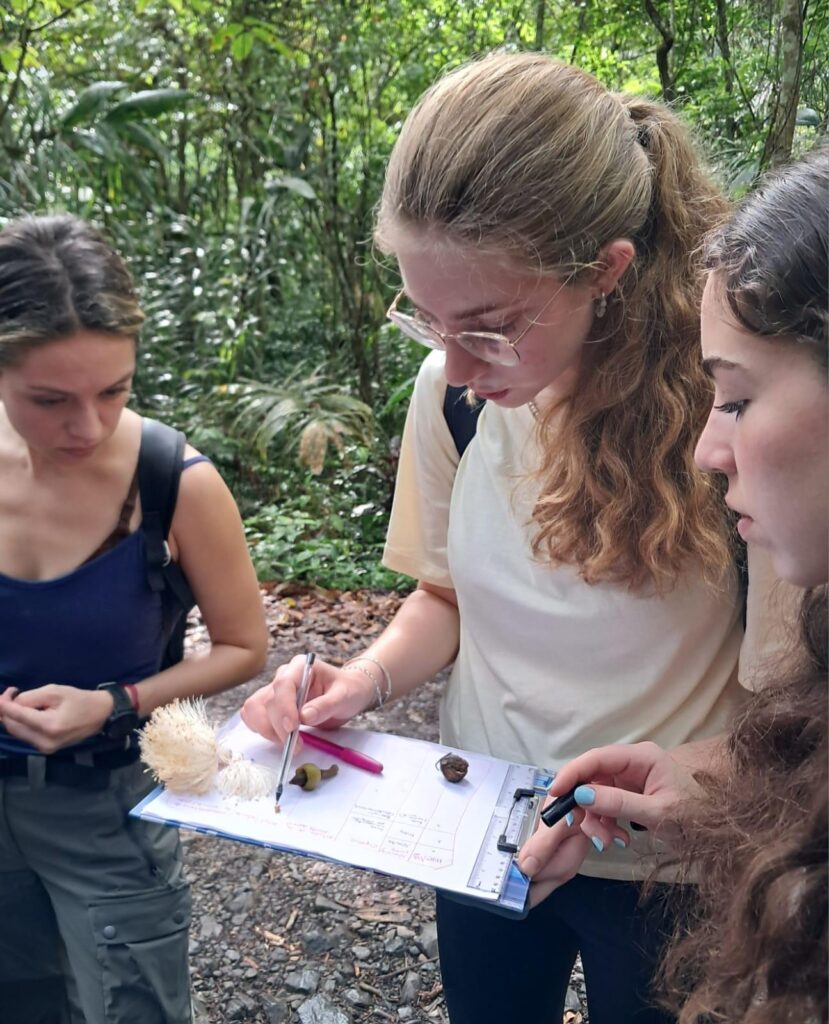
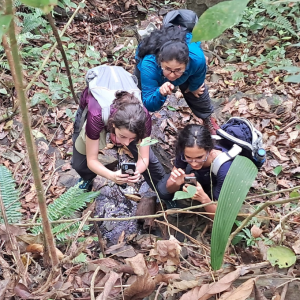
Students in the field collect data for their research projects

Field trips were taken around the Camino del Oleoducto, a historic road that winds through the rainforest within Soberanía National Park and the Plantation Trail, where the forest becomes denser and more humid, and the nearby Laguna Trail.

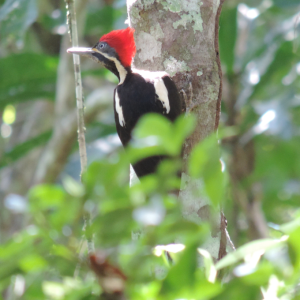
The students were guided by biologist Dr Chelina Batista, and discovered a wide variety of plants, interesting varieties of fungi, and animal species, such as woodpeckers, tree creepers, and tickbirds, as well as lizards, leafcutter ants (arrieras), coatis, marmoset monkeys, and the unmistakable howler monkeys. One particularly interesting moment was observing an alligator attempt to cross a street.

In the early days of the program, Chelina encouraged the students to formulate research questions as starting points for their own projects, and they worked on hypotheses, and designing their methodology. Fellow biologist Ana Portugal, meanwhile, discussed scientific methods with them, providing fundamental tools to guide and strengthen their research.

After analysis and guidance from the teachers, seven working groups were formed that investigated aspects of Panamanian biodiversity. These included comparison of the survival strategies of rainforest fungi, differences in the defense mechanisms of plants that grow in light and shade, effects of human activity on Panama’s fauna, and the effect of temperature on the activity levels of arrieras.
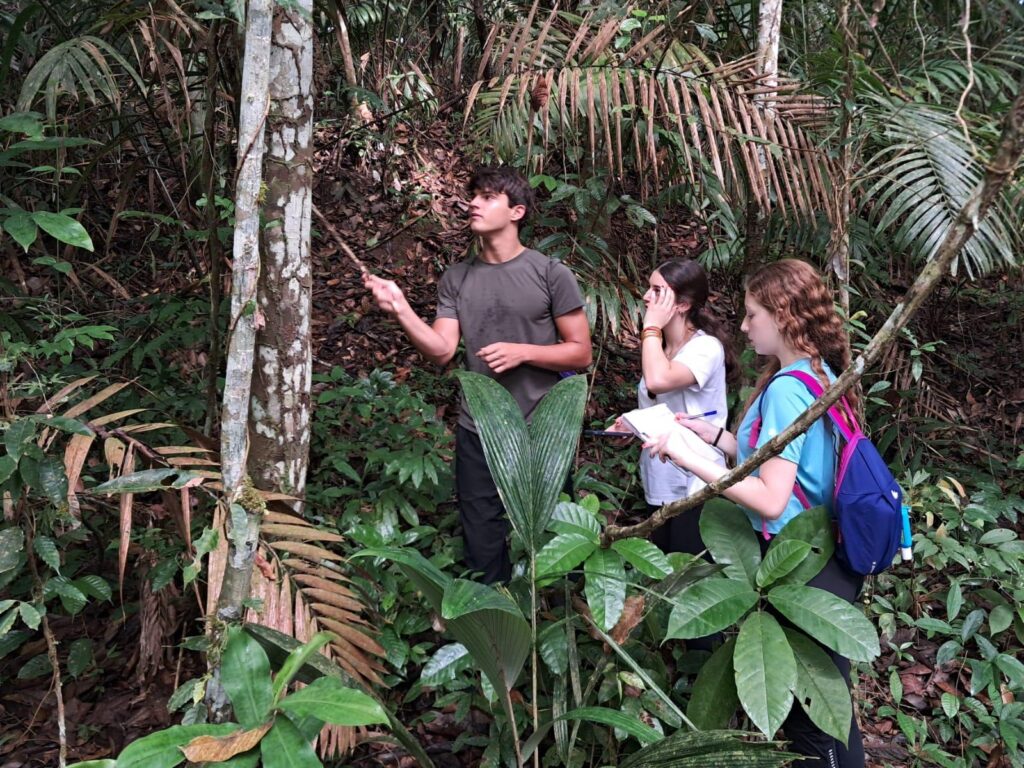
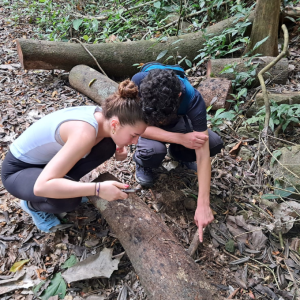
Students inspect a tree in the rainforest for their scientific study

Over several days, students collected data from the Pipeline Trail, the Lagoon Trail, and the town of Gamboa, and evaluated their methodologies. Teachers reviewed the data and provided suggestions and guidance, and students adjusted their techniques over the following days: they measured more accurately, better organized their records, and worked with increasing autonomy, demonstrating confidence in their role as researchers. Their data, which consisted of measurements, field notes, drawings, and photographs, was supplemented through the consultation of books and field guides.

Sloth specialist Ryan Castro told students about his research on genetic variability in pygmy sloths, while researcher Daniel Jovane shared his bachelor’s thesis on the morphological and molecular analysis of macrofungi. Dania Hurtado gave a presentation on her research on the microplastics presence in of fish, and wildlife researcher Melquiades Castillo gave a demonstration on capturing and observing different species of bats.

The group traveled to Altos de Campana Biological Reserve in Campana, walking along the Podocarpus trail and enjoying the cloud forest, where they analyzed the differences between it and the other parks. Other trips included a boat journey along the Chagres River and the Gatún Lake, a visit to the old town, including Plaza de Francia, the Arco Chato, and City Hall.

They visited the Embera village, where they learnt about the customs and traditions of its indigenous community. At the Smithsonian’s Punta Culebra Nature Center, participants observed different species in the butterfly dome and saw a colorful variety of fish, anemones, and other organisms in the aquarium that coexist in coral reefs.
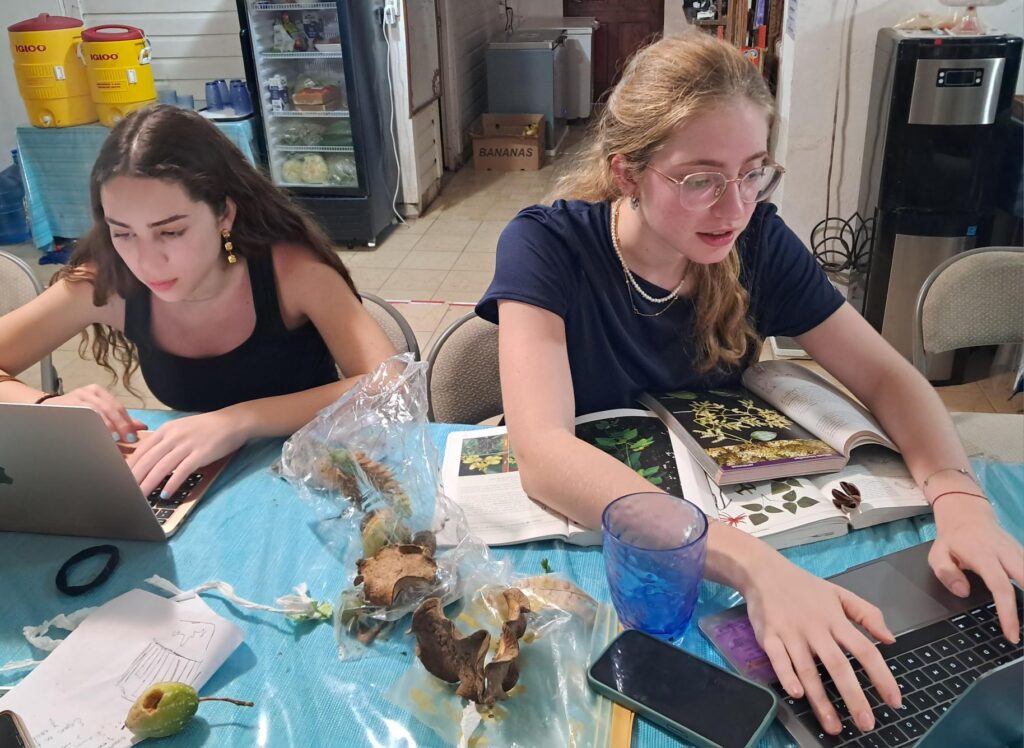
Back at the lodge, students continue their research by consulting books and other resources

But the students did not only learn about ecology. A major facet of the Summer School is the opportunity to meet and foster cross-cultural friendships with their peers from Jewish communities around the world.

Students enjoyed the country presentations, whereby each group shared cultural aspects of their place of origin, their customs, traditions, music, sports, characteristics of their schools, and even sweets.

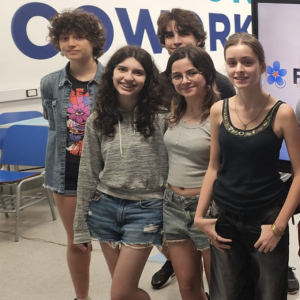
Speaking after the event, student Valerie Pinto, from Spain, said: “These friendships will last forever, and this experience will last forever too in my mind and heart.”

A particularly memorable part of the program was observing Shabbat. Daniel Tysman, Head of World ORT’s Education Department, officiated over a meaningful ceremony during which he led a discussion about some teachings and dilemmas that generated great interest among the students. Ending Shabbat with Havdalah, some of the students explained the significance of the ceremony, while others recited the blessings over the candles and spices.

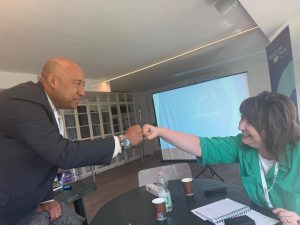
World ORT CEO Dov Ben-Shimon joined the group for part of their trip. He shared with the students his belief that passion is powerful, but skills change the world.

Speaking afterwards, he said: “Students came from across the southern hemisphere: diverse communities, different backgrounds, united by curiosity, seriousness of purpose, and a deep desire to understand what Jewish responsibility means in a changing world.

“Our ORT students are not interested in slogans or despair. They’re asking harder questions: What skills will we need? What kind of leaders must we become? How can Jewish values inform real-world solutions?”

The groups conducted their presentations in English, demonstrating solid collaborative work, confidence in expressing themselves, and careful preparation. Educators and experts described their presentations as “well-organized, clear, and engaging, adequately supporting the main ideas without overwhelming the audience; their coordination and commitment contributed to presentations that were both informative and dynamic”.

Student Karina Benaim from Venezuela said: “After finishing Summer School, ecological biology is definitely among my study options – it’s something that interests me a lot now.”
World ORT and ORT America Unite

World ORT and ORT America have united, bringing together two organizations that have long shared a mission yet operated with distinction: one raised funds, the other developed programs.

Now, both will operate under the leadership of CEO Dov Ben-Shimon with headquarters in New York and offices in London and Israel. The announcement marks a defining moment for a cause that has never stopped evolving or wavered on why it exists.

A Promise Made in 1880
In 1880, Jewish life in Tsarist Russia was under siege. Legal restrictions barred Jewish people from most professions, owning land, and living freely outside the Pale of Settlement. When a group of Jewish leaders in St. Petersburg petitioned to establish an organization dedicated to teaching trades to impoverished Russian Jews, they were determined to improve their circumstances — they called it ORT.

That promise has proven itself across every generation since. From 1880 Russia to 30+ countries spanning five continents, World ORT has grown into one of the most far-reaching Jewish educational networks in the world.

What the Merger Makes Possible
World ORT is positioned to deepen relationships with locally run schools, connect educators across borders, and direct funding more strategically to where the need is greatest. The ambition is not to standardize. It’s to strengthen. Every student in the World ORT network, wherever they are, should have access to the best that the network has to offer.

Dov Ben-Shimon, CEO of World ORT, said: “Even when situations are dire — poverty, war, displacement — ORT students can imagine a future. That is what World ORT has done for 145 years. And we will carry it forward for 145 more.”

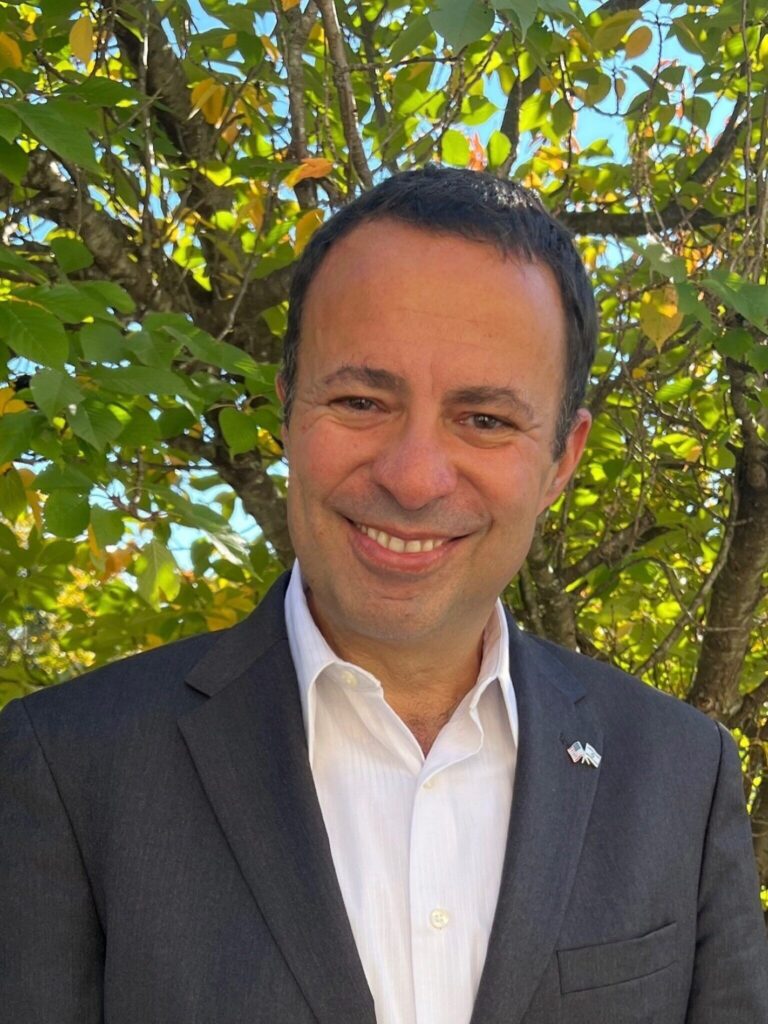
Dov Ben-Shimon, World ORT CEO

Jon Levine, Board Chair of World ORT, said: “World ORT doesn’t just teach skills. We also share the joy of Jewish Peoplehood, ensuring our students are both prepared for the future and proud of their identity.”

World ORT by the Numbers
145 years of impact · 30+ countries · 5 continents · 80K annual students · 200K annual beneficiaries

Watch the video created for the announcement below. For more information about the merger, visit ort.org/merger

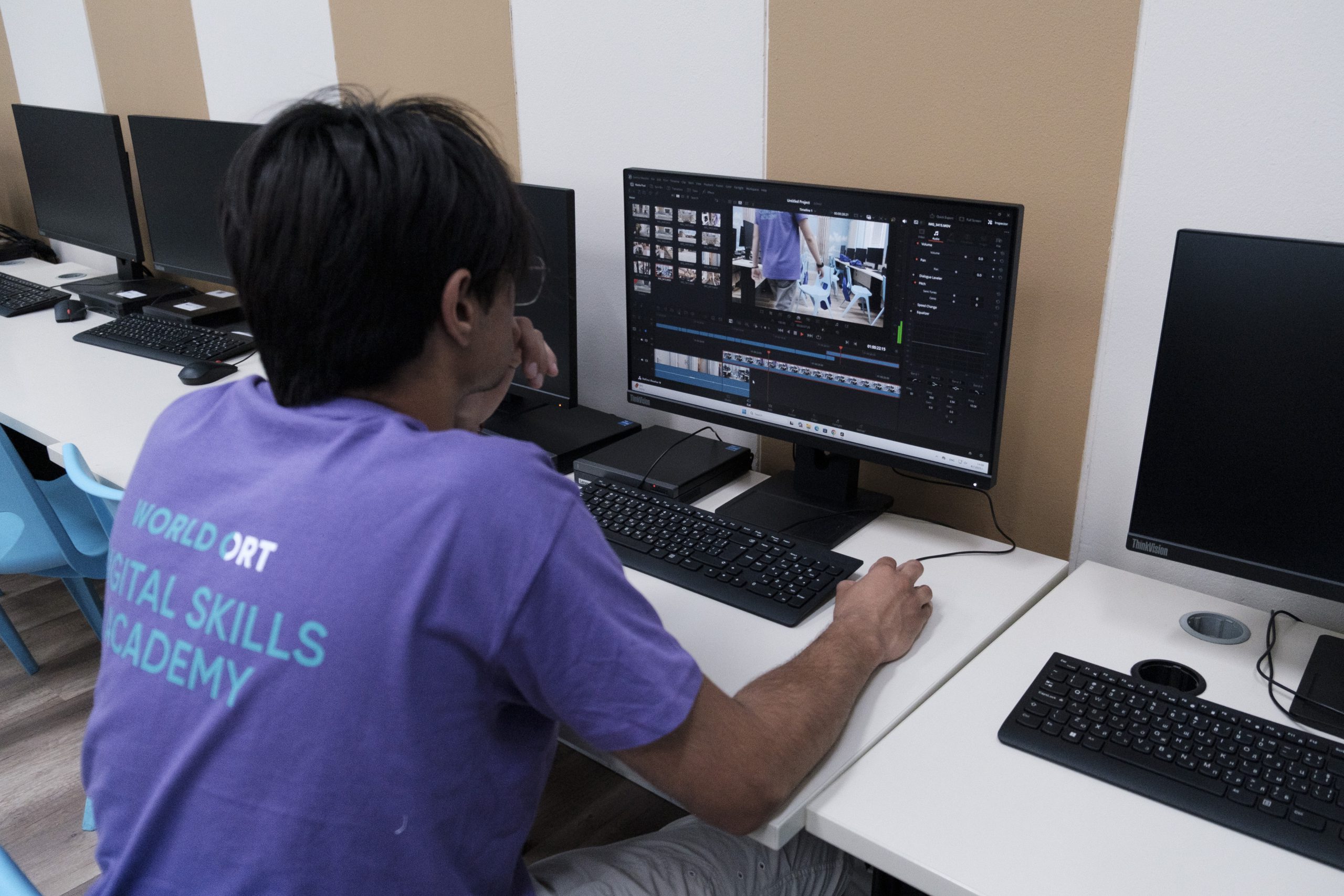
Digital Skills Academy Empowers Young Minds with Skills, Confidence and Lasting Friendships

Days after meeting for the first time, laughter and song echoed through a lively karaoke party, as high school students from across Europe and Israel quickly bonded at the World ORT Digital Skills Academy (DSA) in Sofia, Bulgaria.

Over the course of two action-packed weeks, the Academy provided 25 students from 14 ORT schools in nine countries with a unique blend of technical learning, cultural enrichment and personal growth – all wrapped in a spirit of friendship and discovery.

A Warm Welcome and Fast Friendships

Students, supported by a team of madrichim, dived into ice-breaking games and settled into their new home in Sofia in the opening hours of this life-changing summer program.

The group quickly felt at ease with the support of a dedicated team of professional staff from World ORT and ORT Bulgaria who encouraged them to make the most of the experience ahead.

Then it was time to get hands-on: half the group explored digital photography with a professional photographer, while the others dived into video production with digital media experts.

Behind the Scenes of Global Creativity

Students experienced inspiring excursions in the Academy’s first week. A visit to Bulgaria’s renowned Nu Boyana Film Studios gave them rare access to working film sets where they filmed and took photographs amidst blockbuster backdrops. They also had the opportunity to visit Disney’s regional headquarters in Sofia, where they learned how departments such as legal, marketing, and creative teams collaborate on Disney, STAR, and National Geographic content.

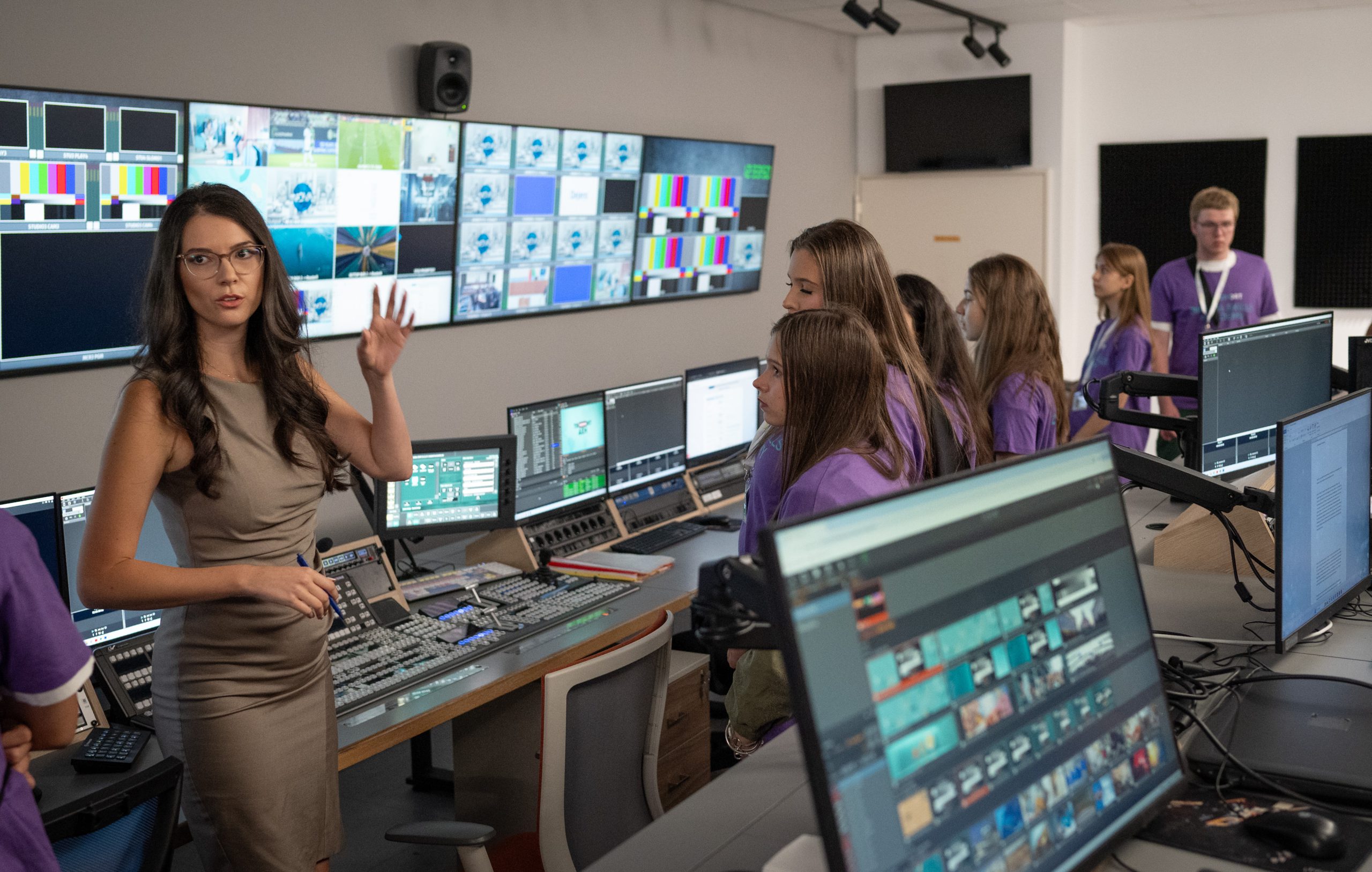
Another highlight was the trip to NOVA TV, one of Bulgaria’s leading television networks. Students sat in on a live news broadcast, toured the studios, and met Bulgaria’s most popular weatherman. It was an eye-opening glimpse into media careers and the skills behind the screens.

Workshops, Reflection and Cultural Immersion

Students spent their days building skills through workshops in video editing, photography, podcasting and Photoshop. Each evening they reflected on the day’s highs and challenges, reinforcing the importance of self-awareness and growth.


ORT student Miglė, from Vilnius in Lithuania, said: “I have always wanted to be involved in cinema and after seeing everyone here work with such passion and creativity I realised that it is what I really want to do. I want to work with people who share the same passion and now I will do everything to continue working with confidence in video production.”

At the end of the first week the group explored Sofia’s rich Jewish heritage with a visit to the city’s historic synagogue. Shabbat offered a welcome pause. At a kosher restaurant close to the ORT No. 134 “Dimcho Debelianov” Jewish School, the group shared Kiddush and traditional food, creating a warm and inclusive atmosphere. A walking tour of Sofia’s landmarks, including the Square of Tolerance and the Roman ruins of Serdica, ended with group games and laughter at the National Theatre.

From Sofia to Kyustendil: A Journey of Discovery

For the Academy’s second week the group travelled to Kyustendil in south-western Bulgaria, in a picturesque setting near the Osogovo mountains. A trip to a nearby sequoia forest showcased the creative power of the natural world and provided stunning scenery for long-exposure activities.

The final days saw a flurry of collaboration and creativity. Students filmed five-minute short movies based on imaginative prompts such as “The Lost Key” and “Wrong Room”, edited their final photo collections, and prepared for the much-anticipated exhibition and talent show. A special celebration included traditional Bulgarian folk dancing, a disco, and birthday cake for one student.

Elizaveta, an ORT student from Moldova, said her experience at the Academy was overwhelmingly positive.

“I think the most valuable part of this program is the people who worked here and the people who came here. This event will stay with me forever and will remain in my heart as a warm memory.

“I would definitely recommend this program to other people interested in photography because through it, you can truly understand if you like photography, meet amazing people, visit incredible places, and just spend two weeks of your summer productively.”

On the Academy’s final day, students completed their projects under time pressure but with enthusiasm and teamwork. The photo exhibition was hung, videos were rendered, and skits were rehearsed. As the end approached, excitement gave way to nostalgia.

One last ceremony showcased the group’s best work to an audience of special guests, including Israel’s Ambassador to Bulgaria together with the Cultural and Scientific Attaché, plus the Mayor of Kyustendil. It closed a chapter filled with unforgettable experiences and friendships that will endure far beyond Bulgaria.

Leor Harel, World ORT Learning Development Manager, said: “It was inspiring to see students given the opportunity to learn from industry professionals and gain a comprehensive understanding of the skills and knowledge needed to succeed and thrive in media and the creative industries.

“This unique experience enables students to develop critical skills, step outside their comfort zones, and connect with like-minded peers from across the ORT Network.”

Pupils Find the Key to Success with Entrepreneurial Win

Students from a school in Spain have secured victory in the final of World ORT’s Young Entrepreneurship Program (YEP) in the northern hemisphere for the second consecutive year. Their product concept provides real-time alerts if a customer accidentally leaves their front door open.

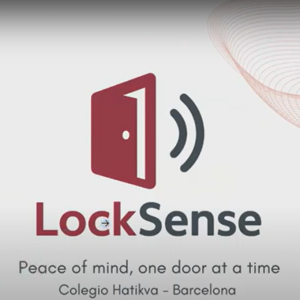
The pupils, aged 15 and 16 from the ORT-affiliated Colegio Hatikva in Barcelona, won the program’s final round with their business idea LockSense, which has the tagline ‘peace of mind, one door at a time’.

LockSense uses a battery-powered door sensor to provide an instant light and sound alerts, with optional Bluetooth and app connectivity.

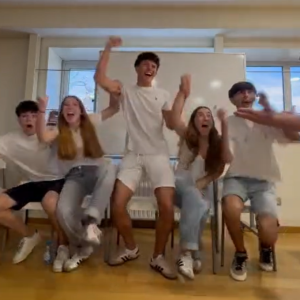
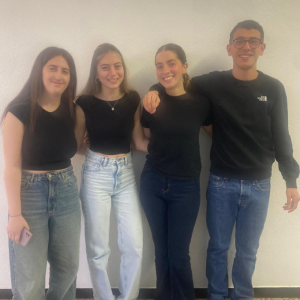
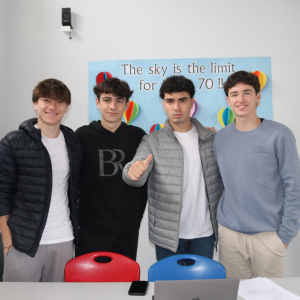
The Colegio Hatikva team celebrate their win

The Colegio Hatikva team celebrate their win

Two members of Colegio Hatikva’s team presented LockSense to World ORT’s Council of Representatives 2025 meeting, which was attended by international ORT colleagues, including lay leaders and professionals.

Students from Colegio Hatikva won the YEP northern hemisphere final last year, with their idea for an app, Mental Buddy. It is designed to offer a supportive environment for teenage users to explore and understand their feelings in real time, helping them to navigate through turbulent emotions. 

Students from Milan’s Scuola della Comunità Ebraica were awarded second place in this year’s final for their DoctorNow idea, a health app that provides instant diagnoses based on experts and medical textbooks.

Team from Scuola della Comunità Ebraica

The team from Scuola della Comunità Ebraica were behind the DoctorNow proposal

The other seven schools taking part were: ORT Colegio Estrella Toledano, Madrid, Spain; Chernivsti Lyceum “ORT” 15, Ukraine; Lycée ORT Daniel Mayer, Montreuil, France; ORT No. 134 “Dimcho Debelianov” Jewish School, Sofia, Bulgaria; Kfar Silver, Israel; and Instituto Dr. Jaim Weizman, Costa Rica. The judges assessing the students’ pitches were Eric Bronstein, Dan Martin, John-Bernard Rondeau, Eli Richlin and Felix Dreyfus.

YEP promotes business entrepreneurship, motivates students and encourages collaboration. It is one of the key programs run by ORT to help students transform their lives using 21st century skills.

Other entrepreneurial ideas presented in this year’s final were: a food-ordering airport delivery company that avoids long lines; a pepper spray that, when activated, also alerts police and emergency contacts and takes a photograph of the attacker (one judge described this idea as a “serious, viable product”); an intelligent wardrobe that helps to choose the client’s perfect outfit; an app that provides real-time cultural insights for travellers; a pillow that combines technology and education; ‘Build an Organ’, an anatomical interactive toy; and a skill-swap app that allows users to trade skills for little or no cost.

Colegio Hatikva students' proposal, LockSense

LockSense, the proposal from the Colegio Hatikva team

The YEP program will be sponsored for the next three years by ORT Switzerland. Speaking before the presentations, Phillipe Léopold-Metzger, World ORT Vice-Chair and Vice-President of ORT Switzerland, said: “We are so excited. Training young kids to be great entrepreneurs is one of the best things we can do. I know the quality of the presentations will be great.”

Jim Lodge, World ORT CEO, told the finalists: “I want to say how very impressed I am with this program and with all of you teachers, students and judges – thank you judges! – who have devoted so much time and energy to it.

“I have spoken with some of the past participants of the program, and I know what the impact is. I also know how hard everybody works on it, so kol hakavod to all of you. The power of this program has not gone unnoticed.”

Under YEP, teachers deliver a 30-week curriculum, providing students with an introduction to the world of innovation, technology, and entrepreneurship. The brief is for students to design a product that solves a social problem.

Mr. Martin said: “It was a very tough decision for us as judges because each idea was thoughtfully researched and meticulously put together. Congratulations to the winners and congratulations to everybody participating. Good luck, and I am hopeful for the futures of the inventors globally.”

Mr. Richlin said: “Thank you to the students for all the hard work you put in. Certainly, you are all winners and I hope you take with you the experience of preparing, thinking hard about the problem and the solution, and practicing – those are the skills you can draw upon in whatever you do. We can’t wait to see what is in store for you.”

Mr. Bronstein concluded: “Every presentation… was so impressive and to be able to do so across languages is doubly impressive. I look forward to seeing every one of these people as business leaders, community leaders, and entrepreneurs.”

Students from Colegio Hatikva’s winning team said: “We want to thank the whole ORT team – we are really thankful for this opportunity. We also wanted to say thank you to our teacher, Roger Guerrero; he was with us every step of the way.”

The World ORT LEAD Program: ‘Investing in our Future’

Before becoming Learning Development Manager for World ORT, I worked as Head of Key Stage at a Jewish secondary school, and as Deputy Headteacher at another Jewish school that caters for students with mild to moderate needs.

I have developed as a leader throughout my career. Despite this, I have had very little formal leadership training. My inspiration and on-the-job training came from observing leaders I admired as role models, incorporating colleague feedback as well as research from publications and blogs.

I was excited, therefore, to organize and observe this year’s LEAD Program, a four-day seminar facilitated by World ORT and leadership experts Christine Young and Graham Dring at Scuole della Comunità Ebraica in Milan. The 22 educators taking part travelled from 14 ORT schools across our international network to be involved.

The LEAD (Leadership in Education, Administration and Development) Program, which is supported by Dr. Louanne Smolin and David Eaton, along with the HH Wingate Foundation, aims to prepare the organization’s future educational leaders and senior managers by providing training in how to manage colleagues and to prioritize their own professional development journeys.  

It was inspiring to hear Graham and Christine’s flow of expert guidance, tips, and nuggets of wisdom. Leadership was described as a function of ‘knowing oneself’, with participants exploring emotional and spiritual intelligence, and being advised to ‘eat that frog’ – which is an approach advocating the immediate tackling of one’s most challenging tasks. Participants were continually challenged to share their opinions and experience in small groups, and to contribute their ideas and beliefs to the wider circle.

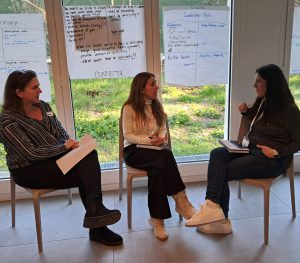
The LEAD course promotes coaching as a professional skill

School leaders are often teachers who have demonstrated outstanding practice. While they might not have any formal leadership training, they could be expected to suddenly demonstrate new skills and qualities, often in a position where they need to lead colleagues with whom they previously shared equal footing.

The seminar covered tools and concepts essential for any school leader. Participants learned about styles of leadership, and the benefits of utilizing different methods depending on context or personalities involved. They also completed a test in order to understand motivation profiles, and the need to implement different styles depending on the individual’s motivation ‘type’.

We discovered that individuals with a ‘spirit’ profile, for example, thrive on autonomy and empowerment. As leaders, our role is to understand what drives our colleagues and to adopt a style that enables them to perform to their highest potential.

We analyzed high-performing teams, looking at the stages of their development, and at how to grow and maintain trust within a team. I found the guidance on delegation especially insightful, particularly the importance of delegating directly to the individual who will be carrying out the task.

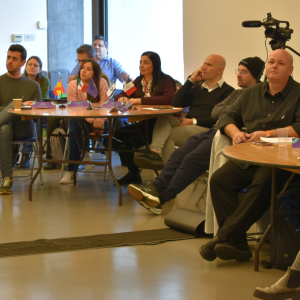
LEAD delegates work together to share knowledge and expertise

For me, the program highlight was witnessing the facilitated coaching sessions. Christine and Graham provided sharp insights into the how-tos of coaching, modelling the process at the beginning, and providing individualized feedback. I was truly jealous. Coaching is a valuable leadership tool, and the opportunity to learn and practice it in a risk-free environment is one I would have appreciated earlier in my career.

Delegates were excited by the new learning and approaches, and there was an appreciation of the relationships fostered, which will form the support network for an invigorated leadership journey.

Participants learned about each other’s settings and exchanged challenges, solutions, and ideas. It was inspiring to see professional connections and genuine friendships formed in such short a time, fueled by a joint vision and a renewed understanding of what it means to teach and lead in an ORT school.

The LEAD Program recognizes that the delegates are respected professionals and helps them to become even better. The benefit of them joining the program is felt by their students and the stakeholders of our schools.

Good leaders foster and retain motivated and talented teachers. This creates excellence in our schools, which is the best investment we can make towards our future.

Leor Harel is Learning Development Manager at World ORT

Ecology Summer School: Sloths, Snails and Scientific Studies

The opportunity to have breakfast while watching wild animals such as agoutis and coatis roaming free outside was one of the many attractions available to students participating in this year’s World ORT Ecology Summer School in Panama.

Twenty-seven ORT students aged 15 to 17 from nine of our Latin American and Spanish schools in Argentina, Brazil, Colombia, Spain, Mexico, Panama, Peru and Venezuela, along with ORT teachers Agustina Prola (Argentina) and Susan Siow (Spain), signed up for the two-week regional Spanish-language summer school in the Gamboa Rainforest in Soberania National Park.

The program gave the students, who are passionate about ecology, the opportunity to study different aspects of Panamanian biodiversity with experts from the Smithsonian Tropical Research Institute and Adopta Bosque, a non-profit NGO promoting rainforest conservation, conducting scientific ecological research.

A woodpecker sighted in the rainforest

The students developed and refined research questions, hypotheses and work methodologies under the advice of the expert instructors Dr Chelina Batista, Ana Portugal Loayza and Ryan Oneil. They split into six groups for the research projects looking at reptiles, pollinators, bats, ants and the relationship between plants and animals in specific locations.

They accumulated measurements, drawings and photographs of the species under investigation and were able to view animals and plants they had not seen before, for example, Hoffmann’s two-toed sloth, the harpy eagle – the national bird of Panama – and different species of monkeys and birds.

They heard from experts Judy and Dr. Dan Dourson on tropical land snails and their roles in the tropical ecosystem and viewed samples with a magnifying camera. Josué Ortega, a mammal specialist from Panama, taught them additional skills for scientific field research, while sloth specialist Ryan Cano enthralled them with a talk on the genetic variability of the Panama Pygmy sloth.

Bird specialist Jorge Garzón talked about his research, while Macario Gonzalez spoke about the reptiles and amphibians of Panama and Adopta Bosque founder Guido Berguido gave a presentation about the conservation of rainforest biodiversity. The students also met the mayor of Panama City, Jewish entrepreneur Mayer Mizrachi, who encouraged them to excel in their scientific pursuits.

Rodrigo, a student from Brazil, said: “The [paleontological] excavation, breaking the rocks, was something I really wanted to do all my life. The trip to the cloud forest was stunning. My research project on ants, working with my team and the teachers who helped us – it was all really good.”

Students inspect a tree trunk

As important as the students’ scientific work was their forming of connections across cultures and borders. They bonded over the sharing of information about their own heritage and culture, including about music, sport and school life, and a trip highlight was the meaningful Shabbat ceremony officiated by World ORT’s Daniel Tysman and Gaynor Collins.

This was followed by a discussion led by Bernardo from Mexico about some teachings and dilemmas, which generated great interest among the students.

After a special dinner, Alona from Barcelona organized games for a joyful atmosphere.

Student Ezequiel from Panama said: “My highlight of the trip was Shabbat, sharing that special moment with each other. It was really well-planned.”

Daniel Tysman, Head of World ORT’s Education Department, said: “When the rainforest becomes their classroom, the learning becomes supercharged. In the evenings, our group gets to meet and interrogate some of the leading authorities on different aspects of ecology.

Some of the students hard at work

“It’s not unusual for teachers at the Summer School to stay up late to make sure students stop working on their projects and go to bed. The whole experience is really unique and in addition to the learning, in just a few days, memorable experiences were shared and many great friendships were made.”

After refining their work following feedback from teachers, the students took turns presenting their research projects, with each group delivering an excellent presentation, demonstrating great teamwork, confidence, and thorough preparation.

The trip also afforded the students the chance to see some of the sights of Panama, including the Oleoducto trail (the historic ‘Pipeline’ road that crosses the country, providing unparalleled access to the heart of the rainforest), where they saw diverse plants and animals, such as the woodpecker, the black-chested booby and the howler monkey. They dug for fossilised prehistoric sea creatures in excavated earth from the canal widening, met indigenous residents of the Embera village and visited the Summit Municipal Park, a botanical garden with facilities for the rescue and rehabilitation of exotic and native wildlife.

Elan, a student from Colombia, said: “Apart from all the fun and good moments I had with my new friends, I think the highlight was to push our limits, not only physical but also our knowledge. I had never written a scientific paper before, climbed a mountain to the cloud forest and dug for fossils, so I really felt pushed to my limits.”

Care of Elderly Ensures Victory for Argentina Students

A team from ORT Argentina Belgrano Campus in Buenos Aires has won this year’s World ORT Taub Young Entrepreneurship Program (YEP) in the southern hemisphere.

The team proposed an app called Forget Me Not that is aimed at carers of elderly people who might not always be nearby to support their loved ones. The premise is that older people want to live as independently as possible without becoming a burden.

The app, which provides medicine reminders to patients, has the tagline “remembering is a love language” and features an emergency button that shares their location with the caregiver.

In second place was Colegio Leon Pinelo in Lima, Peru, a school that had not previously taken part in the competition. This team proposed an app called DermaVision that provides accessible and real-time personalized skincare solutions using AI technology. Pupils aimed high, hopeful that DermaVision would be the top choice for personalized skincare within five to ten years.

Taking third place was the team from Mbongeni Mgugudu Secondary School in Tsakane, South Africa. It was also this school’s first time taking part in YEP and pupils proposed an app called AgriVision, the aim of which is to empower small-scale farmers with technology to enhance productivity, sustainability and resilience.

The Taub YEP competition is an opportunity for ORT students to live the experience of designing a product or service that solves a social problem, with milestone presentations and pitches to judges throughout the course.

During the virtual live final in November, the six teams from high schools in the southern hemisphere completed the last of the five challenges: a five-minute presentation of their projects before answering questions from judges.

The other teams were from King David School, Johannesburg, South Africa; Herzlia School, Cape Town, South Africa; and Escola ORT Brazil. All six teams of students received an in-depth grounding in the world of innovation, technology and entrepreneurship.

Part of ORT Argentina Belgrano’s winning team

The judging panel was made up of Jorey Chernett, the founder and Chief Executive Officer of Authentic4D and previously a venture capitalist and an investment banker; Gregory Wise, who sits on the board of ORT Canada and is a principal at commercial real estate investment firm Sailcap that he founded this year; and Marc de Gunzburg, founder of Alyeska Advisors and Chairman of the Investment Committee of World ORT and President of ORT Switzerland.

Speaking before the pupils made their presentations, Daniel Tysman, World ORT’s Head of Education, said: “Schools are very good at teaching you knowledge and helping you to practice skills but what makes ORT schools stand out is that they are really good at helping you to prepare for changing times.

“ORT was established more than 140 years ago to deal with a very unpredictable future and, over the decades since then, ORT has always been about giving students not only the knowledge and skills but the mindset, the attitudes and the experience that will help them to succeed.”

He told the students that the biggest transformational changes they were likely to experience in the world were the impact of artificial intelligence and globalisation. “What we’re doing through the YEP project is to give you an entrepreneurial mindset and that means that when you look around you don’t only see problems, you also see opportunities.”

Students from Colegio Leon Pinelo

In a pre-recorded address, Robert Taub, the sponsor of YEP, said: “I became the lead sponsor of the YEP program because I wanted to give something back. And the best reward for me would be if, one day, one of these projects you are presenting, would actually lead to a concrete business plan and even, later on, to commercialisation. In the global economy it’s the small and medium enterprises that really make the world go round… it’s the desire to create something and build. I believe very much in technology… …

“It’s the thinking process that is very important and ORT’s mission, which is to educate you but also to open your mind and to provide the skills for the future. I wish you all success in this competition and also lots of fun because this is what it’s all about.”

The winning team from ORT Argentino Belgrano said: “Thank you so much – and thanks to everyone here. Congratulations to the other teams for being here – it was a pleasure to be with you all, working together.”

ORT Argentina will participate in the international challenge week in July 2025 with students from World ORT’s Kfar Silver Youth Village and ORT UK.

‘AI Can Enrich Learning Experiences and Better Prepare Students for the Future’

Educator Windclaire Mendez from Sir Manasseh Meyer International School in Singapore recalls her experience of attending the 2024 World ORT Hatter Technology Seminar

The World ORT Hatter Technology Seminar on artificial intelligence (AI) in education was a highly anticipated opportunity for me as an educator to engage with a transformative and globally significant topic. With participants from 17 countries, the seminar offered a valuable platform to exchange insights, explore innovative teaching strategies, and build meaningful international collaborations that will enrich my classroom practice and professional growth.

AI is rapidly transforming the educational landscape, and as both a teacher and a member of our school’s IT committee, I was eager to explore how it can be leveraged to enhance teaching and learning. My primary goal was to deepen my understanding of the applications of AI in education and to identify practical ways to integrate its potential into our school’s practices and policies. I am especially interested in how AI can support diversity and inclusivity, ensuring that all students benefit equitably.

The chance to learn from experts and collaborate with educators from around the world was an invaluable opportunity to gain fresh perspectives and innovative ideas to bring back to my school community.

As a teacher, my expectations for the seminar were focused on gaining practical knowledge about AI tools, understanding the ethical considerations involved, and learning best practices for effective implementation in education. The seminar delivered a valuable mix of theoretical insights and hands-on sessions, offering actionable strategies that I am excited to bring back to my school. For instance, Andrew Dax’s session on generative AI models for school leaders and creating inclusive environments introduced specific tools that can personalize education – an area I am particularly eager to explore further.

Delegates heard from renowned speakers on AI

I was especially inspired by the innovative AI practices showcased by schools within the World ORT network, which provided tangible examples of how AI is reshaping learning environments. As a History teacher, it was eye-opening to see the cutting-edge projects students are undertaking in Design and Technology and Makerspace lessons. These areas, often powered by AI tools and methodologies, are equipping students with essential skills, such as problem-solving, critical thinking, and creativity. This exposure helped me to see how AI can empower students to meet the challenges of an increasingly technology-driven world, fostering not only technical competence but also adaptability and innovation across various disciplines. It has broadened my perspective on how AI can enrich learning experiences and better prepare students for the future.

The insights gained from this seminar will serve as a catalyst for positive transformation within our school community. I am eager to conduct workshops with my colleagues in Singapore, sharing the practical applications of AI to enhance student engagement and improve assessment strategies. The emphasis on ethical considerations, including data privacy and bias in AI, will be invaluable as we strive to implement these technologies responsibly and thoughtfully.

I highly recommend the Hatter Technology Seminar to other teachers as it provides an unparalleled opportunity to gain insights into critical and evolving fields while fostering meaningful international connections. I am deeply grateful to my school Principal, Elaine Robinson, for recognizing and trusting in my skills and abilities by allowing me to attend this seminar. The exceptional organization of World ORT, the expertise of the speakers, the diversity of the participants, and the focus on practical, real-world applications make it a highly valuable experience.

The seminar struck an excellent balance between insightful learning opportunities and meaningful social interactions. It not only informs but inspires, equipping me with both the knowledge and the motivation to drive change in my classroom and school.

My knowledge of World ORT had been limited to knowing that my school was affiliated with the organization. Attending the seminar made me realise that being part of the World ORT network is both a privilege and a profound source of inspiration. It embodies a commitment to educational excellence and the collective advancement of communities through shared knowledge and collaboration. For me, personally, it signifies belonging to a global community that champions innovation, inclusivity, and progress. For my school, it provides access to world-class resources, expertise, and opportunities that help us stay ahead in an ever-evolving educational landscape.

The connections we build and the ideas we exchange within this network profoundly enrich our practices and empower us to make a meaningful, lasting impact.

Global Citizenship Education: Making Mensches in a Modern World  

We nurture our children to be mensches. Today, across our global network of ORT schools, we prioritize Global Citizenship Education as a catalyst to that end.

At Colegio Olamí ORT in Mexico City this month, educators from around Latin America, including Peru, Panama, Mexico City, Colombia and Costa Rica, convened to take a deep dive into Global Citizenship Education (GCE), one of World ORT’s flagship programs.  

This enriching professional development opportunity took educators on a journey to explore the different facets of GCE, equipping them with the tools to foster a sense of global awareness and responsibility among their students, integrating the principles into classroom lessons and their school culture. The seminar featured a rich program of discussions led by experts in the field, collaborative activities and interactive workshops to enlighten and inspire participants.  

Defining Global Citizenship Education

The seminar featured expert-led discussions that guided the participants to develop a theoretical foundation for the definition of GCE. Participants explored the broad definition of GCE, honed in on ORT’s focus, and crafted a personalized definition relevant to their schools.

Dr. Moises Salinas Fleitman, Rector of Universidad ORT Mexico, delivered the keynote presentation, “Why Global Citizenship Education?”. 

Another popular session with the participants was led by Dr. Tamara Kolangui, Director for the Shimon Peres Chair for Peace, titled: “What is Peace Education and How is it Connected to Global Citizenship Education?” 

Dr. Moises Salinas Fleitman, Rector of Universidad ORT Mexico, delivered the keynote presentation, “Why Global Citizenship Education?”.

A Case Study: Colegio Olamí ORT

Participants put theory into practice and delved into how GCE might look in their own schools. 

They used Colegio Olamí ORT as their learning lab, touring the school with staff to investigate how Olamí, which is heavily invested in GCE, makes it come to life. 

Orly Picker and Mariana Piven, educational leaders at the school, demonstrated how their teachers explore global citizenship with their students through the educational model of project-based learning. 

Jorge Arditti, Founder of the We Are Water Foundation, spoke about innovative education on water issues, followed by the group working alongside students in the school’s Maker Space to collaboratively build a water filter like those seen around the school.

The humanitarian organization CADENA led an interactive workshop showcasing Olamí students and their involvement in the organization and left with an invitation to bring CADENA programming to our ORT schools.  

GCE in our World 

Participants zoomed out and explored GCE both on a communal and global level. The group was transported outside of the four walls of the Olami classrooms to witness first-hand Global Citizenship in Mexico City. Hearing personal narratives at a site visit to Casa Tochan Migration Center inspired our educators to think about how to bring local issues into their own students’ lives.  

The group also visited the Museum of Memory and Tolerance, whose mission is to disseminate the importance of tolerance, non-violence, memory and human rights. They had a private tour of the exhibits and met with museum staff to hear all that they have to offer to bring the museum to their schools through curriculum, virtual tours of the exhibits and webinars. 

The group of educators on location in Mexico City

Next Steps

At the conclusion of their intensive study, these newly formed thought partners collectively chose joint projects to move forward in our Latin American schools, using the new information and resources acquired during the seminar. 

Our seminar participants who came as individuals definitely left Mexico City as a community of practice ready and highly motivated to roll up their sleeves to integrate Global Citizenship Education into their schools. 

Conversations that sprouted wings at the seminar about collaborative programming and individual projects will plant roots back at schools in the weeks to come.

‘ORT Taught Me AI Is As Much About People As Tech’

Educator Victoria Guevara from the Instituto Dr. Jaim Weizman, Costa Rica, reflects on her experience of the 2024 World ORT Hatter Technology Seminar.

The Hatter Technology Seminar has been one of the most energizing and inspiring experiences of my life. We learned from leading AI experts from some of the world’s most prestigious tech-oriented universities and shared experiences with world-class teachers and educational leaders from 16 countries.

As a language and literature teacher, I found the anticipation nerve-wracking as I prepared to engage with a group of technology leaders from exceptional schools with incredibly diverse backgrounds. I am still in awe of the kindness and warmth shown by everyone involved during this week of constant learning.

Beyond our interest in innovation and pedagogy, I learned that we are united by common values, a genuine enthusiasm for learning, and an unyielding commitment to fostering our students’ growth and development. It was a breath of fresh air in a world that continually challenges educators to redefine what it means to stay current.

Over four days, AI leaders emphasized the importance of establishing robust policies and implementation strategies in schools to promote regulation, access, and transparency. These discussions helped us to create a roadmap to position schools within the ORT network as leaders in leveraging AI in education.

We collectively agreed that our students must always be at the center of the narrative. Fellow educators listened to each other’s challenges, showed genuine care, and expressed appreciation. The seminar fostered trust in our ability to unlock new opportunities for educators to stay more relevant than ever before.

It was reassuring to learn that many of us feel the same uncertainty about the future of our roles in the classroom and wonder how to adapt our practice to meet the needs of students in an AI-driven world. We also added our unique perspectives and cultures to the mix, sharing candid stories of family, love, and a search for purpose. I understood that AI is as much about people as it is about technology.

This includes the ethical decisions people make about how to use AI, the ways it impacts human lives, and the skills, empathy, and creativity required to guide its development and application. Failing to recognize this would be a mistake.

Delegates came from 16 countries

The seminar offered me the amazing opportunity to make new friends who I feel I can rely on to collaborate and improve my practice. I am still astounded by how much I learned from their innovative projects and ideas. Attending the seminar has equipped me with cutting-edge knowledge to empower my fellow teachers back home and my students alike.

I particularly appreciated the focus on AI literacy and social-emotional learning. We engaged in hands-on experiences with AI models and visited Yavneh College and NESCOT to witness their fantastic approach to integrating technology in the classroom. They opened their campuses and shared their experiences with the best disposition and kindness.

I encourage any fellow educator given a chance to attend the Hatter Technology Seminar to seize the opportunity with confidence. You will expand your network, broaden your vision, and experience one of the most vibrant cities in the world. You will be hosted by exceptional professionals who go above and beyond to plan and execute meaningful learning experiences while supporting you every step of the way.

The seminar is planned with an open heart, celebrating the richness of a multicultural experience. You’ll find yourself dining with fascinating people from around the world, feeling welcomed, valued, and inspired. I thank Dr. Jaim Weizman Institute for giving me this opportunity and World ORT for opening an exciting new path for my teaching career. I look forward to collaborating with my new colleagues.

As emerging technologies increasingly rely on artificial intelligence and as our students integrate these tools into their everyday lives, our most important task is to guide them to become critical and informed users of AI – embracing its potential for innovation while understanding the challenges and responsibilities that lie ahead.

The Hatter Technology Seminar is now a landmark in my professional development journey, pivotal in reshaping my perspective of education and instructional design.